





Citric Acid as Food Preservative: Global Applications, Benefits & Future Trends
Understanding Citric Acid as Food Preservative: A Global Perspective
Citric acid as food preservative isn’t just a household name in kitchens worldwide; it plays a pivotal role in the global food supply chain. You might think of it as just a tangy acid found naturally in citrus fruits, but its industrial applications go far beyond flavor. With the increasing demand for fresh, long-lasting, and safe food products, citric acid steps in as a mild, effective preservative that helps extend shelf life while maintaining quality — a critical factor given our interconnected global markets. Considering its relatively low environmental footprint and safety profile, understanding its role and benefits becomes essential not only for industry professionals but also for anyone invested in food sustainability.
Introduction: Why Citric Acid Preservatives Matter Globally
Globally, the food industry faces challenges surrounding spoilage, waste, and food safety. According to the United Nations, nearly one-third of all food produced is wasted, much due to spoilage. Incorporating preservatives like citric acid as food preservative helps combat this by inhibiting microbial growth and oxidation. It's widely used in processed foods, beverages, and even pharmaceuticals, making it a staple chemical worldwide. From large industrial processors in North America to small-scale producers in Southeast Asia, citric acid helps prolong freshness, reduce waste, and improve food logistics.
Oddly enough, despite its simplicity, citric acid fills a complex need by enhancing durability without harsh chemicals — plus, it’s biodegradable, aligning with ISO sustainability standards.
What Is Citric Acid as Food Preservative?
In simplest terms, citric acid is a weak organic acid naturally found in citrus fruits like lemons and oranges. As a food preservative, it’s used mainly to acidify products and reduce pH, which slows down spoilage caused by bacteria and molds. Its antioxidative properties also prevent fat rancidity and color changes, which helps maintain quality and safety. In industrial settings, it's usually derived via fermentation of carbohydrate sources, which supports large-scale and sustainable production.
This dual role — both a preservative and acidity regulator — is what makes it so versatile. It’s often the hidden hero behind that refreshing shelf life extension of many everyday foods.
Core Components Impacting Citric Acid’s Effectiveness
- Acidity Control: The ability to lower pH is crucial. Many pathogens struggle to survive in acidic environments, making citric acid a frontline defender in food safety.
- Antioxidant Properties: It hinders oxidation chains, reducing spoilage and discoloration.
- Compatibility: Works well alongside other preservatives and additives, allowing tailored formulations depending on the product.
- Scalability: Industrial fermentation makes it cost-efficient for mass production, impacting pricing and availability.
- Biodegradability: Given rising environmental concerns, citric acid’s eco-friendly profile boosts its appeal in sustainable food practices.
- Safety Profile: Recognized as Generally Recognized As Safe (GRAS) by FDA and approved by other international bodies like EFSA.
Mini takeaway: Citric acid’s unique properties blend effectiveness with safety and sustainability, making it a mainstay in modern preservation.
Global Applications & Real-World Use Cases
Citric acid as a preservative finds its place in an impressive range of food and beverage products worldwide—from soft drinks and canned vegetables to dairy and confectionery. For instance, in post-disaster relief operations, where fresh food supply is limited, citric acid helps maintain nutrition and safety in packaged rations lasting months under varied climates.
Regions like Europe and North America utilize it heavily in processed foods, while emerging economies in Asia and Africa increasingly adopt it to reduce spoilage in export produce. International food safety organizations recommend its use to meet stringent regulations, reflecting its vital role in global food security.
Product Specifications of Industrial Grade Citric Acid
| Specification | Details |
|---|---|
| Appearance | White crystalline powder |
| Purity | 99.5% min |
| pH (1% solution) | 2.2 – 2.5 |
| Heavy Metals (as Pb) | |
| Water Insolubles |
Vendor Comparison: Citric Acid Suppliers
| Feature | Vendor A | Vendor B | Vendor C |
|---|---|---|---|
| Purity (%) | 99.7 | 99.5 | 99.9 |
| Lead Content (ppm) | < 5 | < 10 | < 2 |
| Price (per ton USD) | 1,600 | 1,550 | 1,700 |
| Sustainability Certification | ISO 14001 | None | ISO 9001 & Organic |
Advantages & Long-Term Value of Citric Acid as a Food Preservative
Beyond the technical, citric acid touches on many emotional and societal factors. For consumers, it represents a promise of safer, fresher food, thus invoking trust. For producers, it’s about reducing losses and optimizing costs — and frankly, that means better margins and more sustainable operations.
The logical upsides include:
- Cost Efficiency: Affordable compared to synthetic alternatives.
- Environmental Impact: Biodegradable and sourced renewably, making it better for the planet.
- Consumer Safety: Low toxicity and well-studied safety profile.
- Innovation Potential: Works synergistically with new preservative technologies, including natural extracts.
Future Trends & Innovations
Looking ahead, the role of citric acid in food preservation is likely to evolve alongside green energy and bioprocessing technologies. Novel fermentation processes aim to cut costs and carbon footprints further, while digital monitoring could optimize preservative doses in real time, reducing waste. Automation in packaging, coupled with smart shelf-life indicators, might also leverage citric acid's properties better, improving consumer transparency.
A quick note: some companies are researching blends of citric acid with natural antimicrobials or edible coatings, which could become game-changers in freshness extension without synthetic chemicals.
Challenges & Solutions in Using Citric Acid
Despite its benefits, citric acid isn’t a catch-all solution. Certain food types with high pH resistance need additional preservation steps. Plus, excessive usage can affect taste adversely. Sourcing can sometimes fluctuate due to agricultural factors (like starch or sugar substrate availability).
To overcome these, a multi-preservative approach is often best, combining citric acid with natural extracts or refrigeration. Emerging fermentation technologies promise steadier supplies, and careful formulation avoids flavor drawbacks. The key is expert knowledge and balanced application — nothing beats experience here.
FAQ: Frequently Asked Questions About Citric Acid as Food Preservative
- Is citric acid safe for children and sensitive consumers?
Yes, citric acid is generally recognized as safe (GRAS) by regulatory agencies worldwide and is used in many products consumed by all ages. However, excessive consumption may cause minor digestive discomfort for sensitive individuals. - Can citric acid replace artificial preservatives completely?
Not always. While citric acid is excellent for acidity control and antioxidation, some foods require combined preservation methods to control microbial growth effectively. - How can small food producers access quality citric acid?
Many suppliers like Tenger Chemical provide bulk and smaller quantities with certifications, making it accessible globally. - Does citric acid affect the flavor of preserved foods?
At recommended levels, it provides a subtle tartness that often enhances flavor, but overuse may lead to sourness. - Is there a sustainable way to produce citric acid?
Yes, fermentation from renewable carbohydrates is widespread, reducing reliance on petrochemicals and supporting greener production.
Conclusion & Call to Action
Citric acid as food preservative offers a remarkable blend of safety, efficiency, and sustainability valued across the globe. Its role in enhancing food longevity while minimizing waste and environmental impact makes it indispensable for today’s food industry and tomorrow’s innovations. Whether you’re a supplier, manufacturer, or an inquisitive consumer, grasping its importance helps foster better decisions and healthier choices.
For a deeper dive into premium citric acid products and solutions tailored for your needs, visit https://www.tengerchemical.com.
Mini takeaway: Citric acid's simple chemistry powers a complex global quest for safer, fresher, and more sustainable food.
References:
-
The Essential Guide to Sorbates as Food Preservatives for SafetyNewsApr.16,2026
-
The Ultimate Guide to Sorbate Preservative in Modern IndustryNewsApr.09,2026
-
Comprehensive Guide to Sodium Stearoyl Lactylate Emulsifier Applications and BenefitsNewsApr.07,2026
-
Comprehensive Guide to Sodium Cyclamate Sweetener Properties and ApplicationsNewsApr.04,2026
-
Comprehensive Guide to Sodium Citrate Food Additive and Its ApplicationsNewsMar.31,2026
-
Comprehensive Guide to Sodium Bicarbonate Food Additive Applications and BenefitsNewsMar.28,2026
-
Understanding Sodium Benzoate Preservative in Cosmetics and Its ApplicationsNewsMar.26,2026
Hebei Tenger Chemical Technology Co., Ltd. focuses on the chemical industry and is committed to the export service of chemical raw materials.
-
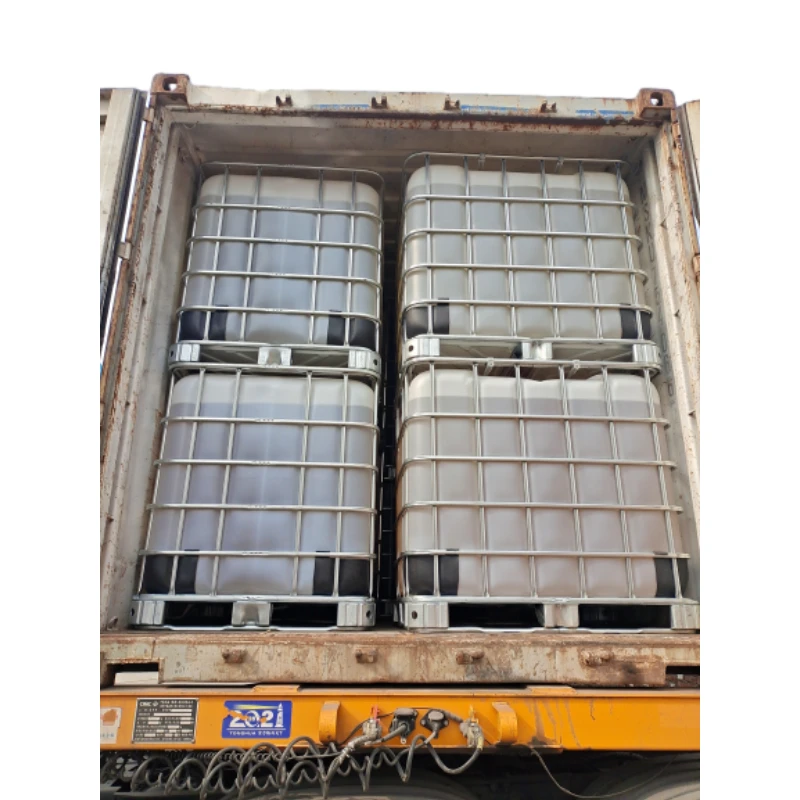
view more DiethanolisopropanolamineIn the ever-growing field of chemical solutions, diethanolisopropanolamine (DEIPA) stands out as a versatile and important compound. Due to its unique chemical structure and properties, DEIPA is of interest to various industries including construction, personal care, and agriculture. -
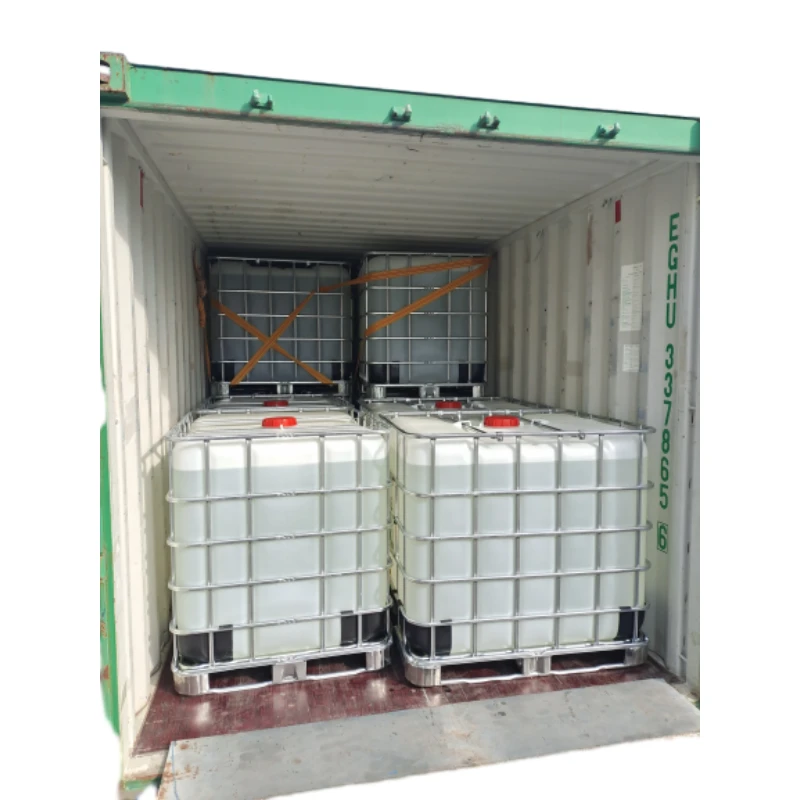
view more TriisopropanolamineTriisopropanolamine (TIPA) alkanol amine substance, is a kind of alcohol amine compound with amino and alcohol hydroxyl, and because of its molecules contains both amino and hydroxyl. -

view more Tetramethyl Thiuram DisulfideTetramethyl thiuram disulfide, also known as TMTD, is a white to light-yellow powder with a distinct sulfur-like odor. It is soluble in organic solvents such as benzene, acetone, and ethyl acetate, making it highly versatile for use in different formulations. TMTD is known for its excellent vulcanization acceleration properties, which makes it a key ingredient in the production of rubber products. Additionally, it acts as an effective fungicide and bactericide, making it valuable in agricultural applications. Its high purity and stability ensure consistent performance, making it a preferred choice for manufacturers across various industries.