TEL: 0086-311-88862036






Nov . 26, 2025 16:30
Back to list
Comprehensive Guide to Acidity Regulator 260 (Acetic Acid) for Food & Industry
Understanding Acidity Regulator 260: Why It Matters in Today’s World
Acidity regulator 260 — sounds technical, maybe even dry at first blush — but it’s actually a subtle backbone of many industrial and food processes worldwide. In broad strokes, these regulators keep pH levels in check, ensuring products stay safe, stable, and palatable. From food preservation to pharmaceuticals and even environmental management, understanding acidity regulator 260 unlocks a host of benefits: enhanced shelf life, consistent product quality, and safer consumption. And globally? That’s no small feat considering rising food demand and complex supply chains. Oddly enough, the world often takes such carefully calibrated substances for granted, yet they quietly underpin trust in everything from your morning orange juice to critical medical formulations. To truly appreciate its role, let’s peek behind the curtain and peel apart the story of acidity regulator 260 — why it’s relevant, what it actually means, and how industries harness it every day.The Global Context: Why Acidity Regulation Is a Growing Priority
Worldwide, food safety and preservation challenges loom larger than ever. According to the Food and Agriculture Organization (FAO), approximately 30% of global food production is lost due to spoilage, much of which hinges on microbial growth encouraged by unsuitable pH conditions. In regions where refrigeration is scarce or logistics are stretched thin, acidity regulators like 260 step in as unsung heroes. The ISO has also underscored standardized additives such as acidity regulators as critical in maintaining international quality norms. Moreover, industries beyond food manufacturing — think cosmetics, pharmaceuticals, and even water treatment — increasingly rely on stable acidity to ensure product efficacy and compliance with environmental regulations. In remote industrial zones or post-disaster relief operations, where infrastructure is compromised, maintaining acidity balance can spell the difference between usable supplies and wasted resources. All this frames acidity regulator 260 as a linchpin of modern supply and safety.Defining Acidity Regulator 260 in Simple Terms
So, what exactly is acidity regulator 260? In common terms, it refers to a food additive identified by the code "260," which is simply acetic acid — the organic acid that gives vinegar its signature bite. In industry, it’s commonly used to control the pH in products, slowing down spoilage by creating an environment less hospitable to bacteria and fungi. Beyond just acidity modulation, acetic acid (E260) also plays roles in fermentation control and as a flavoring agent. It’s generally recognized as safe (GRAS) and widely employed precisely because it strikes a balance between effectiveness and health considerations. This dual nature — a natural substance with technological applications — makes acidity regulator 260 both relatable and indispensable in many industries.Key Factors That Make Acidity Regulator 260 So Valuable
1. Consistent pH Control
The crux of what acidity regulator 260 does is maintain stability in pH levels. This consistency is key to preventing unwanted microbial activity that could spoil foods or compromise pharmaceuticals.2. Cost Efficiency
Acetic acid is surprisingly affordable compared to synthetic alternatives. This means manufacturers can maintain food safety without inflating costs — a big win in emerging markets where budget constraints shape procurement decisions.3. Natural Origin and Consumer Acceptance
Since acetic acid is a familiar substance (think cooking vinegar), consumers generally perceive its use as safer or more "natural" than obscure chemical additives. This plays nicely into clean-label trends sweeping the food industry.4. Versatility Across Industries
While predominantly used in foods, acetic acid finds applications in pharmaceuticals to adjust drug formulations, in water treatment to balance acidity, and even in cosmetic products for pH balance.5. Regulatory Compliance
E260 fits international regulations easily, supported by organizations like the FDA and EFSA, making global trade smoother and less risky.Applications Around the World: Where Does Acidity Regulator 260 Make a Difference?
From bustling urban factories in Europe to small-scale food processors in Southeast Asia, acidity regulator 260 finds a home everywhere. - Food Preservation: Soft drinks, pickled vegetables, sauces, and marinades often include controlled amounts of acetic acid to extend shelf life. In countries with long transport times, this is vital. - Pharmaceutical Industry: Acetic acid helps maintain solution pH, affecting drug stability and absorption rates. - Water Treatment Plants: Acidity regulator 260 alters pH levels to aid coagulation and purification processes. - Post-Disaster Relief: In emergency kits, food items stabilized with acidity regulators remain edible longer without refrigeration, crucial in scenarios lacking power. Interestingly, some regions emphasize organic and natural additives, favoring acidity regulator 260 for its perceived gentleness and familiarity. Others highlight robust industrial applications, particularly where water acidity must be carefully managed for environmental compliance.Mini takeaway:
Acidity regulator 260 is quietly everywhere, keeping products safe, stable, and compliant — from your supermarket shelf to complex pharma labs.Advantages and Long-Term Value That Acidity Regulator 260 Brings
Let’s talk benefits — tangible ones, not just marketing buzz: - Cost Savings: Less product waste translates into major savings. With better shelf life, retailers and consumers alike benefit. - Sustainability: By reducing spoilage, acidity regulators cut food waste — a significant environmental win. Plus, acetic acid’s low toxicity means fewer harmful residues. - Social Impact: Safer food means fewer foodborne illnesses, enhancing public health. - Reliability: This additive has a known, predictable performance profile, comforting manufacturers who demand consistency. There's also an emotional side. Imagine a mother in a remote village relying on safely preserved food to feed her family — the quiet trust acidity regulator 260 builds in such contexts is profound.Looking Forward: Future Trends & Innovations in Acidity Regulation
The world’s moving toward greener chemistry, and acidity regulator 260 isn’t immune to this momentum. - Bio-based Production: Companies are researching producing acetic acid from biomass rather than petrochemical routes, cutting carbon footprints. - Digital Monitoring: Smart sensors now enable real-time pH tracking in production lines, optimizing acidity regulator dosage for efficiency. - Customized Blends: Innovations allow blending acetic acid with other natural acids to tailor flavor and preservation effects more precisely. - Regulatory Evolution: As food safety laws tighten, suppliers of acidity regulators invest in higher purity grades and transparent supply chains. The future feels dynamic, with sustainability and precision leading the charge.Challenges & Practical Solutions With Acidity Regulator 260
Despite its many virtues, acidity regulator 260 comes with quirks: - Sensory Impact: Too much acetic acid alters taste, which can be problematic for delicate products. - Handling Safety: Though generally safe, concentrated forms need care to avoid skin or eye irritation. - Supply Chain Variability: Quality differences between producers can affect consistency. To counter this, experts suggest: - Employ precise dosing and inline pH measurement. - Source from reputable suppliers with certifications. - Explore buffering blends to smooth flavor profiles.Product Specification Table: Acidity Regulator 260 (Acetic Acid)
| Specification | Value | Unit |
|---|---|---|
| Purity | 99.5 | % |
| Appearance | Colorless liquid | N/A |
| Density @ 20°C | 1.05 | g/cm³ |
| pH (1% solution) | ~2.4 | N/A |
| Boiling Point | 118 | °C |
| Solubility | Miscible with water | N/A |
Vendor Comparison for Acidity Regulator 260 Suppliers
| Vendor | Purity (%) | Price per Ton (USD) | Availability | Certifications |
|---|---|---|---|---|
| Tenger Chemical | 99.5 | 950 | Global | ISO 9001, FDA |
| GlobalChem | 99.2 | 920 | North America, Europe | FDA |
| PureAcid Ltd | 99.7 | 980 | Asia, Australia | ISO 22000 |
Frequently Asked Questions About Acidity Regulator 260
Q1: What is acidity regulator 260 used for in food products?Acidity regulator 260, known chemically as acetic acid, is used to control the acidity or pH of foods. It prevents spoilage by creating conditions unfavorable for bacteria growth, thus extending shelf life and maintaining flavor profiles.
Q2: Is acidity regulator 260 safe for consumption?
Yes, it is generally recognized as safe (GRAS) by international food safety authorities like the FDA and EFSA when used within regulated limits. It’s the same acid found naturally in vinegar.
Q3: Can acidity regulator 260 affect the taste of food?
At regulated levels, it imparts a mild tanginess but is usually balanced with other ingredients to avoid overpowering flavor. Overuse can result in an undesirable sour taste.
Q4: How is acidity regulator 260 sourced? Is it environmentally friendly?
Traditionally made from petrochemical methods, newer bio-based production uses biomass feedstocks, making it more sustainable. Check with suppliers for sourcing details.
Q5: Where can I buy high-quality acidity regulator 260?
Reputable chemical suppliers like Tenger Chemical offer certified, high-purity acetic acid suitable for food and industrial applications with global shipping options.
Wrapping Up: Why Acidity Regulator 260 Deserves More Spotlight
Acidity regulator 260 (acetic acid) may not be the most glamorous component on ingredient lists, but it quietly knits together product safety, quality, and consumer trust across industries and continents. Its well-established safety profile, affordability, and adaptability make it a reliable ally in navigating the challenges of food security and industry regulation. The innovative trends in production and smart monitoring promise even greater efficiency and sustainability ahead. If you want to explore this essential additive’s applications or source premium grades, don’t hesitate to visit Tenger Chemical — where quality meets global supply for acidity regulators and more.Mini takeaway:
Acidity regulator 260 is more than a chemical code; it’s a core player in safe, sustainable modern production that impacts everyday life in subtle but powerful ways.References:
Latest news
-
The Essential Guide to Sorbates as Food Preservatives for SafetyNewsApr.16,2026
-
The Ultimate Guide to Sorbate Preservative in Modern IndustryNewsApr.09,2026
-
Comprehensive Guide to Sodium Stearoyl Lactylate Emulsifier Applications and BenefitsNewsApr.07,2026
-
Comprehensive Guide to Sodium Cyclamate Sweetener Properties and ApplicationsNewsApr.04,2026
-
Comprehensive Guide to Sodium Citrate Food Additive and Its ApplicationsNewsMar.31,2026
-
Comprehensive Guide to Sodium Bicarbonate Food Additive Applications and BenefitsNewsMar.28,2026
-
Understanding Sodium Benzoate Preservative in Cosmetics and Its ApplicationsNewsMar.26,2026
HOT PRODUCTS
Hebei Tenger Chemical Technology Co., Ltd. focuses on the chemical industry and is committed to the export service of chemical raw materials.
-
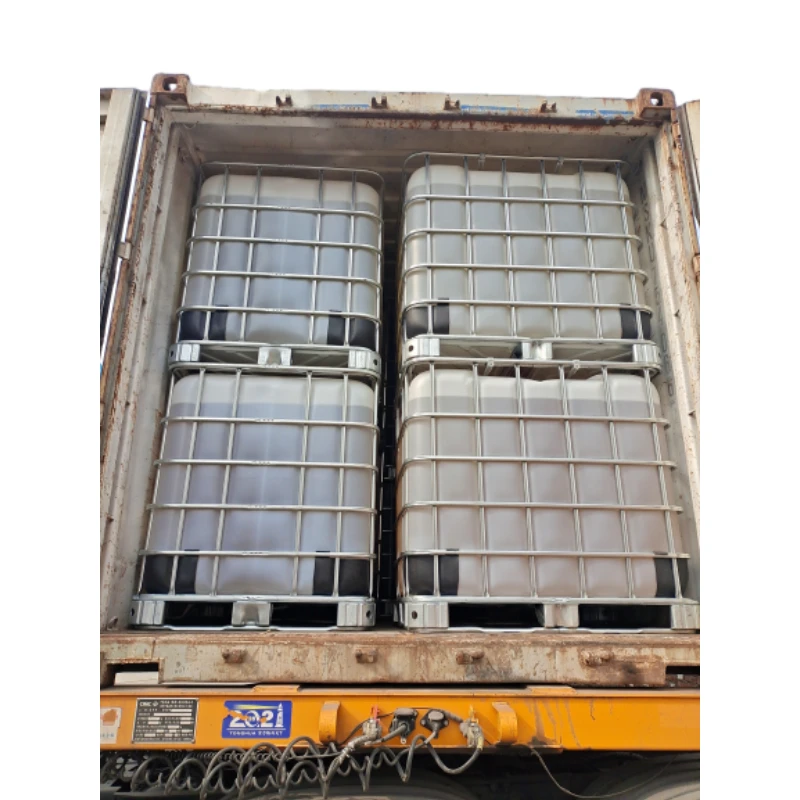
view more DiethanolisopropanolamineIn the ever-growing field of chemical solutions, diethanolisopropanolamine (DEIPA) stands out as a versatile and important compound. Due to its unique chemical structure and properties, DEIPA is of interest to various industries including construction, personal care, and agriculture. -
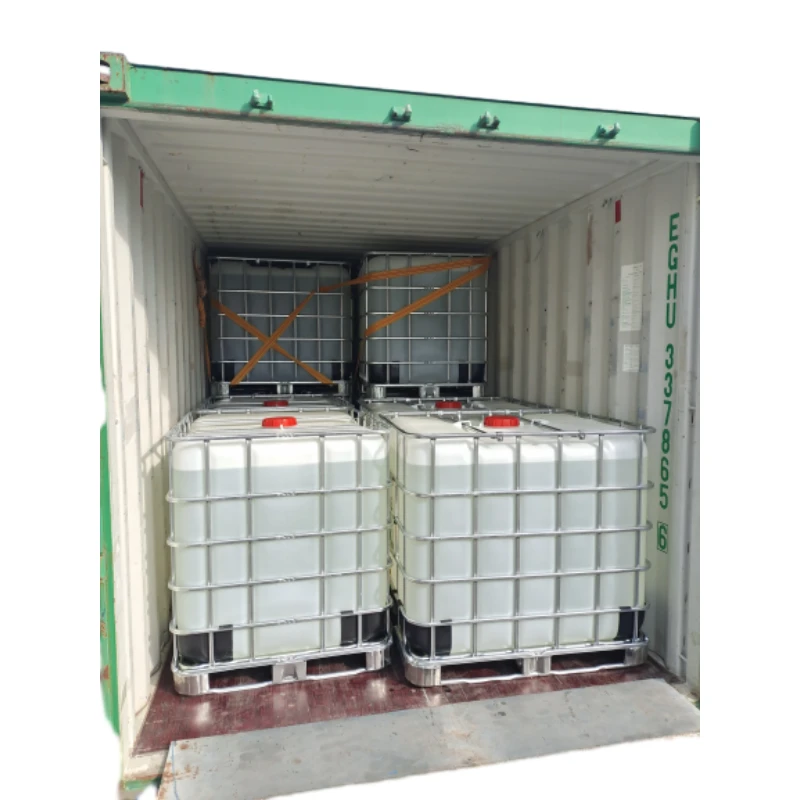
view more TriisopropanolamineTriisopropanolamine (TIPA) alkanol amine substance, is a kind of alcohol amine compound with amino and alcohol hydroxyl, and because of its molecules contains both amino and hydroxyl. -

view more Tetramethyl Thiuram DisulfideTetramethyl thiuram disulfide, also known as TMTD, is a white to light-yellow powder with a distinct sulfur-like odor. It is soluble in organic solvents such as benzene, acetone, and ethyl acetate, making it highly versatile for use in different formulations. TMTD is known for its excellent vulcanization acceleration properties, which makes it a key ingredient in the production of rubber products. Additionally, it acts as an effective fungicide and bactericide, making it valuable in agricultural applications. Its high purity and stability ensure consistent performance, making it a preferred choice for manufacturers across various industries.