





Comprehensive Guide to Acidity Regulators - Applications, Benefits & Suppliers
What Exactly Is an Acidity Regulator and Why Does It Matter Globally?
Acidity regulators might not be a phrase you hear in everyday conversation, but they absolutely matter — especially when it comes to food safety, industrial processes, and even environmental protection. Essentially, an acidity regulator is a substance added to products or chemical processes to control or maintain a desired pH level, keeping acidity or alkalinity balanced. Why does that matter? Well, pH levels can dictate not just product quality, but also shelf life, safety, and how well a process performs on a global scale.
Think about worldwide food production: according to the Food and Agriculture Organization (FAO), spoilage due to uncontrolled acidity is a major factor in food waste. Plus, in industries like water treatment or pharmaceuticals, improperly controlled pH can mean failed processes or unsafe products. So having a solid grasp of acidity regulators and their roles offers tangible benefits — like enhancing product safety, reducing waste, and ensuring robust industrial outcomes.
Mini takeaway: Acidity regulators help stabilize pH, which translates into safer, longer-lasting products and more efficient industrial processes worldwide.
The Global Context: Why Acidity Regulation Is More Important Than Ever
The need for acidity regulators spans the globe, crossing diverse industries from food manufacturing to water treatment and even cosmetics. According to ISO standards like ISO 22000 for food safety management, controlling acidity is critical in maintaining food safety across international supply chains. Meanwhile, the World Bank emphasizes water quality management as essential for public health — and acidity regulators are key players in neutralizing contaminated water sources.
Still, challenges abound. In many developing regions, lack of access to proper acidity control chemicals can lead to unsafe food or water supplies. And in massive global supply chains, an acidity slip-up in one link can cascade into costly recalls or environmental damage. So, acidity regulators aren’t just a chemical detail — they’re a frontline defense for health, safety, and sustainability.
Mini takeaway: Acidity regulators are pivotal in global food safety and water purification efforts, helping tackle key challenges in health and supply-chain reliability.
Breaking It Down: What Exactly Is an Acidity Regulator?
Simply put, an acidity regulator is a food additive or chemical agent used to modify or maintain the pH level of a substance. It can be an acid, a base, or a buffering agent that stabilizes the pH at a desired point. These regulators keep products from becoming too acidic or alkaline, which can otherwise cause spoilage, corrosion, or chemical imbalances.
In modern industry, acidity regulators are everywhere. For instance, they ensure canned foods don't sour prematurely, that cosmetic creams maintain their texture, or that wastewater doesn’t disrupt ecosystem balance. This makes acidity regulators key components not only for quality but also for humanitarian needs — clean water, nutritious food, and safe medicines depend on them.
Acidity regulator usage really exemplifies where chemistry meets real-world practicality.
Core Factors in Choosing and Using Acidity Regulators
1. Effectiveness and Stability
A good acidity regulator must reliably maintain pH within target ranges without rapid degradation. For example, citric acid buffers food effectively but also has a natural “clean” taste consumers appreciate.
2. Compatibility
The regulator must work well with the product’s ingredients and not produce off-flavors, spoilage, or undesirable chemical reactions down the line.
3. Safety and Regulatory Approval
Because acidity regulators often end up in food or drinking water, they must meet strict safety standards per agencies like FDA, EFSA, or WHO.
4. Cost Efficiency
Affordability is key on industrial scales. Companies balance performance with raw material costs — cheaper but less effective regulators can backfire by increasing spoilage rates.
5. Environmental Impact
With rising sustainability concerns, eco-friendly acidity regulators or processes that reduce chemical waste are gaining popularity.
Mini takeaway: Evaluating acidity regulators requires balancing performance, safety, cost, and environmental factors for optimal real-world use.
Where Are Acidity Regulators Changing the Game?
From Asia’s booming food processing hubs to Europe’s strict water quality controls, acidity regulators have found vital roles. For instance:
- Food industry: Used to maintain taste and prevent microbial growth, especially in canned fruits, dairy, and soft drinks.
- Water treatment plants: To neutralize acidic or alkaline waters, protecting pipes and ensuring safe water delivery.
- Cosmetics and pharmaceuticals: To stabilize product pH for skin safety and active ingredient effectiveness.
- Disaster relief operations: Providing safe-to-consume, long-lasting foods and purified water when infrastructure is compromised.
Mini takeaway: Acidity regulators appear in sectors critical for daily life, from everyday foods to life-saving humanitarian aid.
Product Specifications: Typical Characteristics of Common Acidity Regulators
| Substance | Type | pH Range Maintained | Typical Uses | Regulatory Status |
|---|---|---|---|---|
| Citric Acid | Organic Acid | 2.2 - 6.0 | Food, Beverages, Cosmetics | FDA GRAS, EFSA Approved |
| Sodium Bicarbonate | Basic Salt | 7.0 - 8.2 | Food Additive, Water Treatment | FDA Approved |
| Phosphoric Acid | Inorganic Acid | 1.5 - 3.0 | Soft Drinks, Industrial Use | FDA and EFSA Approved |
| Acetic Acid | Organic Acid | 2.4 - 3.4 | Pickling, Food Preservation | FDA Approved |
Comparing Leading Acidity Regulator Suppliers
| Supplier | Product Range | Global Reach | Sustainability Initiatives | Compliance Certifications |
|---|---|---|---|---|
| Tenger Chemicals | Organics & Inorganics for Food & Industry | Asia, Europe, North America | Green sourcing & waste reduction programs | FDA, EFSA, ISO 9001 |
| Global Acidifiers Inc. | Broad range of food-grade acidifiers | Worldwide | Carbon footprint offset & renewable energy use | HACCP, FDA, EFSA |
| EcoChem Solutions | Specialized natural acidity regulators | Europe, North America | 100% biodegradable product lines | ISO 14001, Organic certifications |
The Long-Term Value of Effective Acidity Regulation
Beyond just pH adjustment, acidity regulators bring a whole host of benefits that ripple through industry and society. Cost-wise, controlling pH extends product shelf life — which means less waste and better margins. In environmental terms, smarter acidity control helps reduce chemical runoff and protects natural water sources. Socially, people benefit from safer food and cleaner water, which fosters trust and better health outcomes.
There’s also an emotional side here: when products taste right and you can rely on their safety every time, it builds brand loyalty. And I noticed in conversations with quality control managers, there’s a kind of pride in knowing their acidity regulation work literally underpins consumer trust worldwide.
Emerging Innovations in Acidity Regulators
Looking ahead, acidity regulation is embracing sustainability and technology together. Researchers are developing natural bio-based acidity regulators that could replace synthetic acids, cutting environmental footprints. Meanwhile, automation and digital sensors are improving real-time pH monitoring, allowing for finer control and less waste.
There’s also momentum behind “smart” acidity regulators — formulations that respond dynamically to environmental changes, minimizing the need for manual adjustment. Add green energy-powered production lines, and you get an industry poised for a leaner, cleaner future.
Common Challenges and How Industry Tackles Them
Despite their importance, acidity regulators aren’t without challenges. For example, in complex food matrices, unwanted flavor changes can occur if regulators aren’t chosen carefully. In water treatment, fluctuating acidity sources can strain treatment plants trying to maintain steady pH.
Solutions often involve advanced testing methods and blending different regulators to find right balances. Some companies adopt comprehensive training to help operators better manage pH adjustments in the field. Moreover, innovations in sensor technology assist with continuous monitoring — reducing human error and improving consistency.
FAQ: Frequently Asked Questions About Acidity Regulators
1. What is the difference between an acidity regulator and a preservative?
An acidity regulator specifically adjusts or maintains the pH level of a product, which can indirectly help preservation by inhibiting microbial growth. A preservative, on the other hand, is explicitly added to prevent spoilage or microbial contamination. Sometimes, substances act as both.
2. Are acidity regulators safe for all consumers?
Most acidity regulators approved by agencies like FDA and EFSA are generally recognized as safe (GRAS). However, people with specific allergies or sensitivities should always check ingredient labels. Regulatory bodies continuously review safety standards ensuring consumer protection.
3. How are acidity regulators used in water treatment?
They adjust the pH of water to safe levels by neutralizing excess acid or base content. Proper pH control protects infrastructure from corrosion and ensures treated water meets health standards.
4. Can acidity regulators affect the taste of food?
Yes. Some regulators, like citric acid, impart a tangy flavor, while others are more neutral. Choosing the right regulator depends on the product’s required flavor profile and target consumer preferences.
5. How can companies ensure sustainability in acidity regulator use?
By sourcing bio-based or biodegradable regulators, optimizing dosages to reduce waste, and adopting greener manufacturing processes. Many suppliers also follow strict environmental certifications to support sustainable practices.
In Conclusion: The Quiet Power of Acidity Regulators
Acidity regulators may not be flashy chemicals, but their impact is undeniable. They protect our food, purify our water, and ensure products perform as expected across myriad industries globally. With rising demands for sustainability, safety, and innovation, the smart use of acidity regulators promises to remain a quiet yet powerful force in our everyday lives.
Want to learn more or find a trusted supplier? Visit Tenger Chemical for detailed product info, expert advice, and certifications you can count on.
Mini takeaway: Understanding and choosing the right acidity regulator translates into safer products, cost savings, and advancing a greener industrial future.
References
-
The Essential Guide to Sorbates as Food Preservatives for SafetyNewsApr.16,2026
-
The Ultimate Guide to Sorbate Preservative in Modern IndustryNewsApr.09,2026
-
Comprehensive Guide to Sodium Stearoyl Lactylate Emulsifier Applications and BenefitsNewsApr.07,2026
-
Comprehensive Guide to Sodium Cyclamate Sweetener Properties and ApplicationsNewsApr.04,2026
-
Comprehensive Guide to Sodium Citrate Food Additive and Its ApplicationsNewsMar.31,2026
-
Comprehensive Guide to Sodium Bicarbonate Food Additive Applications and BenefitsNewsMar.28,2026
-
Understanding Sodium Benzoate Preservative in Cosmetics and Its ApplicationsNewsMar.26,2026
Hebei Tenger Chemical Technology Co., Ltd. focuses on the chemical industry and is committed to the export service of chemical raw materials.
-
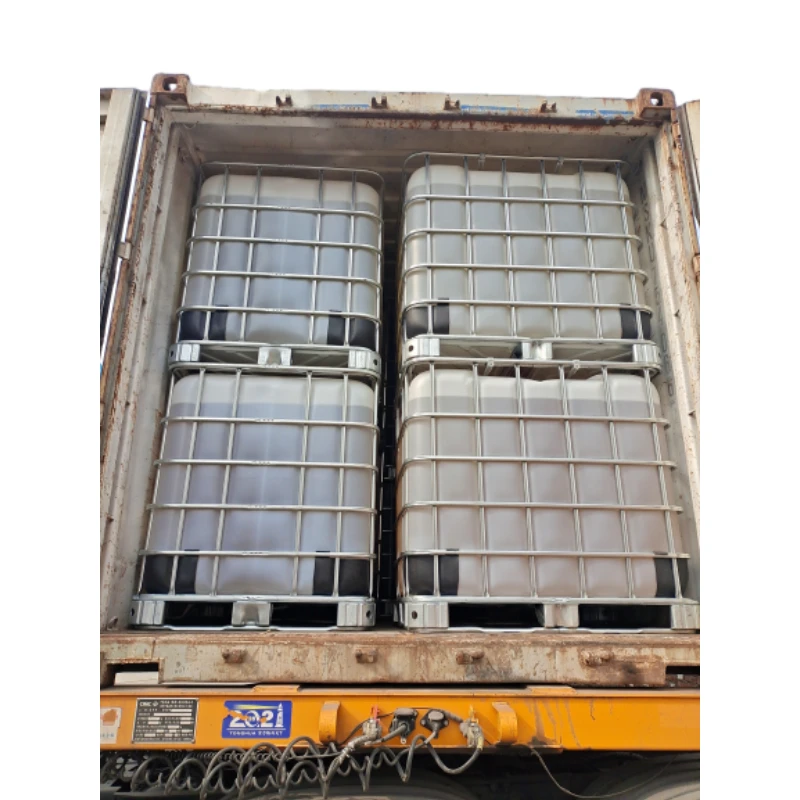
view more DiethanolisopropanolamineIn the ever-growing field of chemical solutions, diethanolisopropanolamine (DEIPA) stands out as a versatile and important compound. Due to its unique chemical structure and properties, DEIPA is of interest to various industries including construction, personal care, and agriculture. -
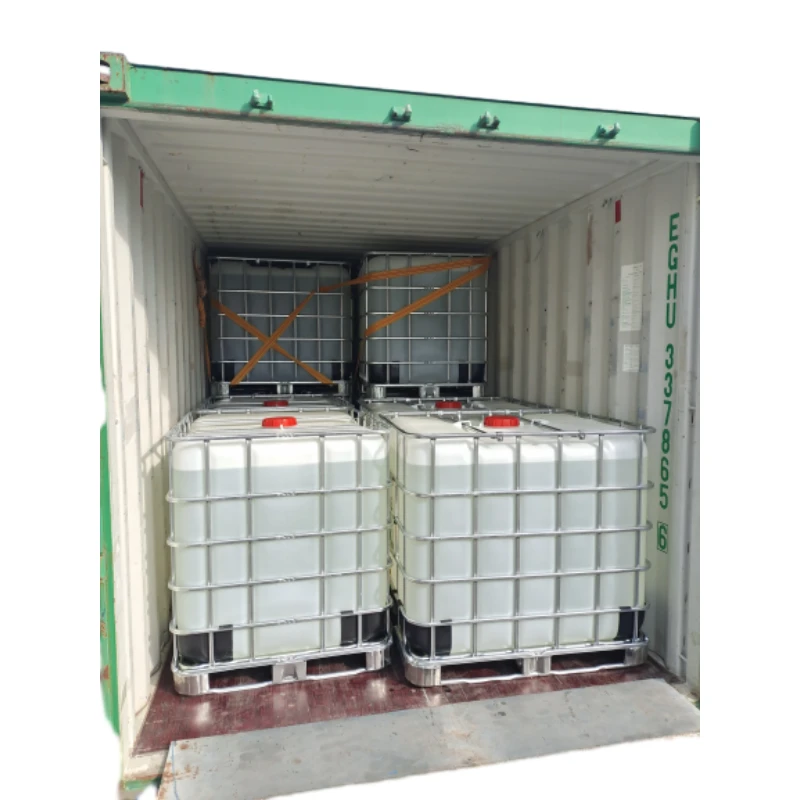
view more TriisopropanolamineTriisopropanolamine (TIPA) alkanol amine substance, is a kind of alcohol amine compound with amino and alcohol hydroxyl, and because of its molecules contains both amino and hydroxyl. -

view more Tetramethyl Thiuram DisulfideTetramethyl thiuram disulfide, also known as TMTD, is a white to light-yellow powder with a distinct sulfur-like odor. It is soluble in organic solvents such as benzene, acetone, and ethyl acetate, making it highly versatile for use in different formulations. TMTD is known for its excellent vulcanization acceleration properties, which makes it a key ingredient in the production of rubber products. Additionally, it acts as an effective fungicide and bactericide, making it valuable in agricultural applications. Its high purity and stability ensure consistent performance, making it a preferred choice for manufacturers across various industries.