





Comprehensive Guide to Calcium Silicate Anti Caking Agent: Benefits and Applications
Understanding Calcium Silicate Anti Caking Agent: What It Is and Why It Matters Globally
Calcium silicate anti caking agent—sounds like a mouthful, right? But if you’ve ever wondered how powders like salt, sugar, or even industrial minerals stay flowable and free from clumping, this chemical is often the quiet hero behind the scenes. In real terms, this agent plays a pivotal role in food processing, pharmaceuticals, and even construction materials worldwide.
Why should you care? Globally, industries lose millions every year from product spoilage and shipping headaches caused by clumped powders. The calcium silicate anti caking agent steps in to prevent this, ensuring safety, quality, and efficiency—benefitting manufacturers and consumers alike.
Global Industry Context: Tackling Powder Clumping at Scale
The issue of powder caking is surprisingly universal. According to multiple ISO standards related to food safety and packaging, uncaking agents like calcium silicate boost shelf life and maintain product integrity during transport and storage. The World Bank reports that inefficient powder handling leads to significant losses, especially in developing economies relying heavily on agricultural and mineral exports.
Particularly in regions with high humidity or shipping challenges—think tropical Southeast Asia or humid parts of South America—the role of anti caking agents grows even more critical. Oddly enough, despite being a small ingredient, its presence can mean the difference between a profitable shipment and a costly return. Frankly, it’s a global challenge that industries have tackled with chemistry and engineering hand-in-hand.
Defining Calcium Silicate Anti Caking Agent
Simply put, calcium silicate anti caking agents are inorganic compounds that absorb moisture and prevent powders from sticking together. They’re often derived from natural minerals, processed to a fine, porous form that traps moisture effectively.
In the modern world, their use extends beyond just food powders to pharmaceuticals, fertilizers, detergents, and even construction materials. In humanitarian relief efforts, for example, ensuring powdered nutritional supplements stay dry and flowable is crucial for efficient distribution in remote areas.
Key Components and Practical Factors in Calcium Silicate Anti Caking Agents
1. Moisture Absorption Capacity
The primary function of calcium silicate additive is to absorb moisture from the surrounding environment. Its porous structure allows the powder to remain dry, preventing lumps. This property directly translates into longer shelf lives and less waste.
2. Particle Size and Distribution
Fine and even particle distribution ensures the agent mixes thoroughly without altering the product's texture or appearance. Manufacturers often tailor formulations to suit specific powder types, balancing anti caking performance with sensory qualities.
3. Safety and Regulatory Compliance
Since many applications touch food and medicine, safety certifications like FDA approval or compliance with EU food additive regulations are essential. Calcium silicate is generally recognized as safe (GRAS), but vendors usually back this up with testing and documentation.
4. Thermal Stability
In industrial processes that involve heat—such as fertilizer production or pharmaceutical manufacturing—a heat-stable anti caking agent ensures consistent performance without degradation or unwanted reactions.
5. Cost Efficiency
Calcium silicate is valued for its relatively low cost compared to other anti caking agents, making it an attractive option, especially for large-scale operations.
6. Environmental Impact
Modern industry increasingly values sustainability. Calcium silicate, derived from natural sources and inert in the environment, points towards a greener manufacturing footprint compared to synthetic alternatives.
Calcium Silicate Anti Caking Agent: Product Specifications
| Property | Specification | Typical Use |
|---|---|---|
| Appearance | White or off-white powder | Food & pharma powders |
| Moisture Absorption | Up to 50% of its own weight | Industrial dry powders |
| Particle Size | 10-50 microns average | Blending uniformity |
| pH Value | Alkaline, around 9-10 | Neutralizing agent in some cases |
| Regulatory Status | GRAS/FDA approved | Food & pharma compliance |
Global Applications & Use Cases
- Food Industry: In packaged salt or powdered spices, calcium silicate prevents moisture-induced clumping during transport to humid climates like India or Brazil.
- Pharmaceuticals: Keeps powdered drugs flowing in tablets and capsules, crucial for dose accuracy.
- Fertilizers & Agrochemicals: Assists in keeping granular fertilizers free-flowing for automated spreading equipment, especially in large-scale farms across the US Midwest.
- Humanitarian Relief: Organizations distributing powdered nutrition supplements or powdered medicines in post-disaster zones rely on anti caking agents to maintain product usability.
- Industrial Powders: Detergents, ceramics, and cement products all benefit from improved handling and storage.
For a more detailed dive into related products, you might check out this calcium silicate anti caking agent resource.
Vendor Comparison: Choosing the Right Calcium Silicate Anti Caking Agent
| Vendor | Moisture Absorption (%) | Particle Size (µm) | Regulatory Approvals | Typical Price (USD/kg) |
Sustainability Focus |
|---|---|---|---|---|---|
| Tenger Chemical | 48-52% | 15-30 | FDA, EU | 1.00 - 1.20 | High |
| Global Minerals Inc. | 45-50% | 20-40 | FDA | 0.85 - 1.10 | Medium |
| Silica Solutions Ltd. | 50-55% | 10-25 | EU | 1.10 - 1.30 | High |
Advantages and Long-Term Value of Using Calcium Silicate Anti Caking Agents
The upsides of deploying calcium silicate anti caking agents are practical, emotional, and financial alike. Cost-wise, their affordability improves manufacturing margins and reduces wastage from spoiled powders. Sustainability-wise, using naturally derived, inert materials reduces chemical footprint compared to synthetic additives.
On the emotional side, manufacturers—and ultimately consumers—gain peace of mind from reliable product consistency. For humanitarian actors, it means ensuring dignity for aid recipients, not forcing them to struggle with spoiled or clumpy supplements.
Reliability and innovation are the twin pillars here. Even as powder technologies evolve, the role of anti caking agents like calcium silicate remains foundational, a trusted ‘workhorse’ additive in complex supply chains.
Future Trends & Innovations
Looking ahead, calcium silicate anti caking agents are set to evolve alongside green chemistry trends. Research focuses on bio-based composites combining calcium silicate with natural polymers to enhance moisture absorption while maintaining biodegradability.
Digital transformation also plays a role—with automated dosing systems and real-time moisture sensing improving how these agents are applied in manufacturing, minimizing waste and improving product consistency.
Plus, as regulatory landscapes tighten around food additives and environmental impact, suppliers are innovating to meet stricter standards while maintaining cost advantages, making the field quite dynamic.
Challenges & Solutions
Like any material, calcium silicate anti caking agents have limits. For example, in extremely humid or liquid-exposed environments, their absorption capacity can be saturated. This can lead to diminished anti caking effectiveness.
Solution-wise, manufacturers often combine calcium silicate with synergistic agents—like silica gels or magnesium carbonate—to extend protection. Additionally, improved packaging technologies can work hand-in-hand to keep powders dry before use.
Moreover, keeping supplier quality control tight is crucial, as variations in particle size or purity impact performance. Fortunately, trusted vendors provide thorough testing and certification to address these challenges.
FAQ: Frequently Asked Questions About Calcium Silicate Anti Caking Agent
- Q: How does calcium silicate compare to other anti caking agents like silica gel?
A: Calcium silicate generally offers higher moisture absorption and better flowability at a lower cost. However, silica gel may perform better at very high humidity levels. Often, formulations use both for synergy. - Q: Is calcium silicate safe for use in food products?
A: Yes, calcium silicate is GRAS and FDA-approved as a food additive. It’s widely used to prevent clumping in salt, spices, and powdered supplements. - Q: Can it be used in pharmaceuticals?
A: Absolutely. It helps maintain powder consistency and dosage accuracy in tablets and capsules, a critical requirement in pharma manufacturing. - Q: What’s the shelf life impact when using calcium silicate?
A: It significantly extends shelf life by keeping powders dry and flowable, reducing spoilage and waste during storage and transport.
Conclusion: Why Calcium Silicate Anti Caking Agent Is a Wise Investment
In the end, calcium silicate anti caking agent is one of those unheralded heroes of modern manufacturing and global trade. Its ability to maintain product quality, reduce loss, and enhance safety touches countless industries and consumers worldwide. The long-term value—financially, sustainably, and socially—is clear.
Interested in sourcing high-quality calcium silicate anti caking agents? Visit https://www.tengerchemical.com to explore detailed specs, certifications, and tailored solutions designed to meet diverse industry needs.
It feels like a small additive, but its global impact is anything but …
References
-
The Essential Guide to Sorbates as Food Preservatives for SafetyNewsApr.16,2026
-
The Ultimate Guide to Sorbate Preservative in Modern IndustryNewsApr.09,2026
-
Comprehensive Guide to Sodium Stearoyl Lactylate Emulsifier Applications and BenefitsNewsApr.07,2026
-
Comprehensive Guide to Sodium Cyclamate Sweetener Properties and ApplicationsNewsApr.04,2026
-
Comprehensive Guide to Sodium Citrate Food Additive and Its ApplicationsNewsMar.31,2026
-
Comprehensive Guide to Sodium Bicarbonate Food Additive Applications and BenefitsNewsMar.28,2026
-
Understanding Sodium Benzoate Preservative in Cosmetics and Its ApplicationsNewsMar.26,2026
Hebei Tenger Chemical Technology Co., Ltd. focuses on the chemical industry and is committed to the export service of chemical raw materials.
-
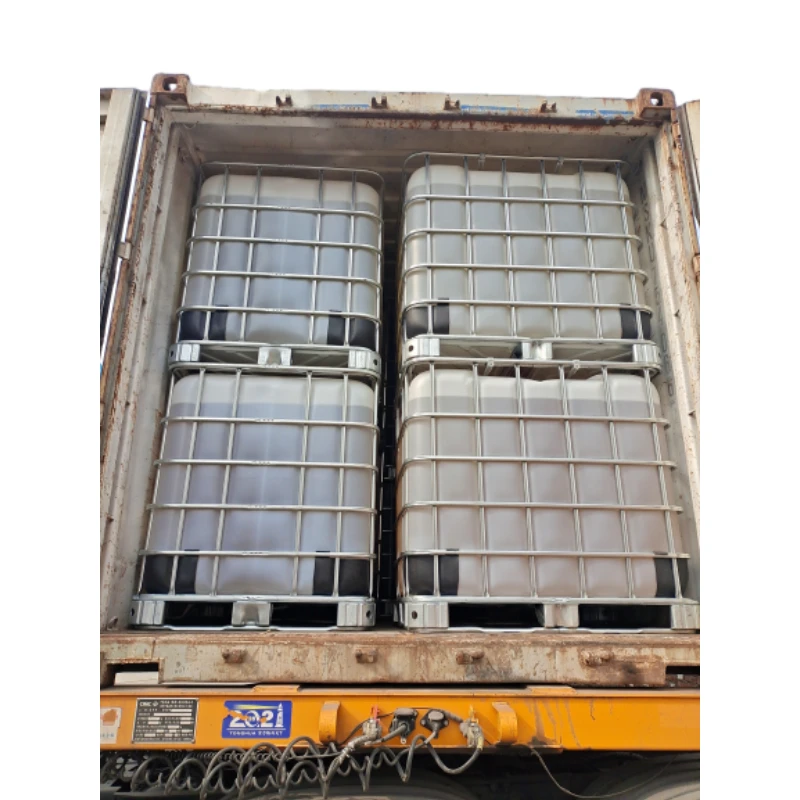
view more DiethanolisopropanolamineIn the ever-growing field of chemical solutions, diethanolisopropanolamine (DEIPA) stands out as a versatile and important compound. Due to its unique chemical structure and properties, DEIPA is of interest to various industries including construction, personal care, and agriculture. -
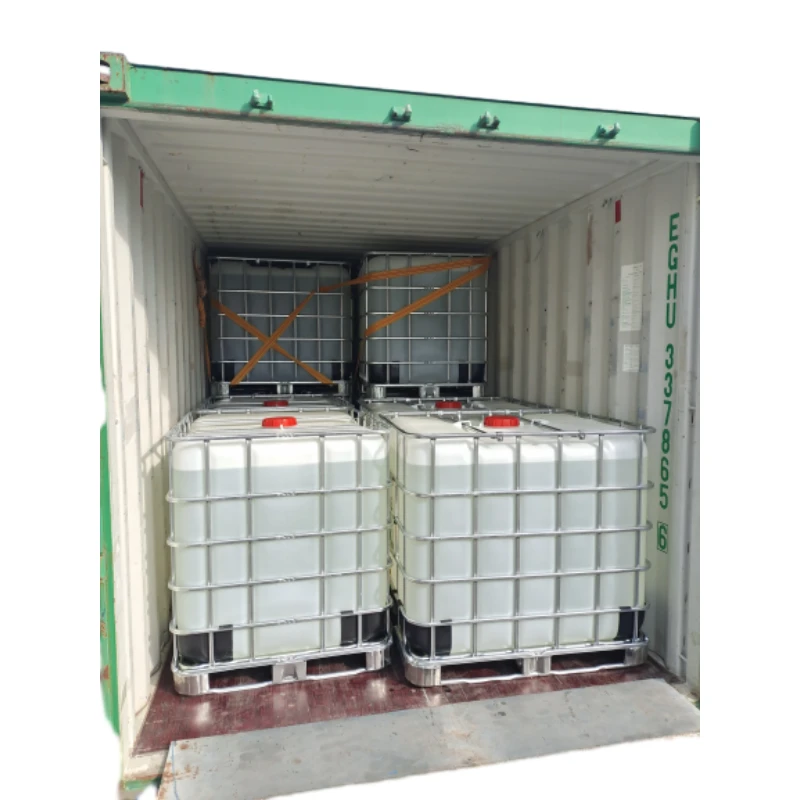
view more TriisopropanolamineTriisopropanolamine (TIPA) alkanol amine substance, is a kind of alcohol amine compound with amino and alcohol hydroxyl, and because of its molecules contains both amino and hydroxyl. -
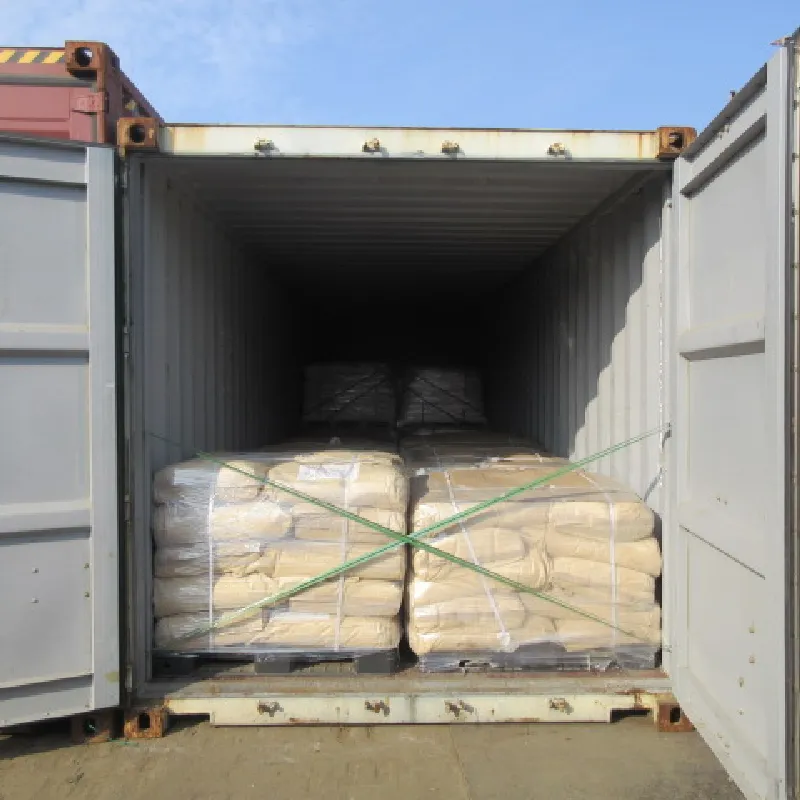
view more Tetramethyl Thiuram DisulfideTetramethyl thiuram disulfide, also known as TMTD, is a white to light-yellow powder with a distinct sulfur-like odor. It is soluble in organic solvents such as benzene, acetone, and ethyl acetate, making it highly versatile for use in different formulations. TMTD is known for its excellent vulcanization acceleration properties, which makes it a key ingredient in the production of rubber products. Additionally, it acts as an effective fungicide and bactericide, making it valuable in agricultural applications. Its high purity and stability ensure consistent performance, making it a preferred choice for manufacturers across various industries.