





Comprehensive Guide to Citric Acid Additive: Applications, Benefits & Trends
Understanding the Role of Citric Acid Additive in Modern Industry
Citric acid additive might sound like a mundane chemical term, but it plays a surprisingly vital part in many global industries—from food processing to pharmaceuticals to cleaning products. Why does this tiny organic acid matter so much worldwide? Well, beyond its tart tang in your lemon-flavored drinks, citric acid additives serve as crucial enhancers that improve product shelf life, preserve flavors, and even help industries meet strict sustainability goals. By understanding what citric acid additives really do, companies and consumers alike can appreciate their wide-reaching benefits, from ensuring food safety to reducing environmental footprints.
Introduction: Why Citric Acid Additives Matter Globally
Globally, the demand for food preservation, pharmaceuticals, and eco-friendly cleaning agents is steadily rising. According to the United Nations Food and Agriculture Organization (FAO), nearly a third of all food produced for human consumption is lost or wasted, often due to spoilage. Citric acid additives help combat this challenge by acting as natural preservatives, extending product freshness without relying on harsher synthetic chemicals. Meanwhile, the International Organization for Standardization (ISO) backs citric acid use in pharmaceuticals due to its non-toxic, biodegradable nature—an important factor as the world shifts towards greener chemistry solutions.
But here’s the catch—industries face increasing pressure to be cost-effective and eco-conscious simultaneously. Citric acid additives offer that balanced path, helping manufacturers reduce chemical loads and improve product quality, all while fitting into circular economy goals. Frankly, it’s a neat little solution for a complex problem.
What Exactly Is a Citric Acid Additive?
In simple terms, a citric acid additive refers to the use of citric acid—or its salts and esters—as an ingredient added to products to improve or enhance their performance. Citric acid is a natural organic acid found in citrus fruits, but industrially it’s typically produced by fermentation of sugars using certain fungi. When included as an additive, it acts mainly as a preservative, acidulant (to adjust pH), chelating agent (binding unwanted metals), or flavor enhancer.
Industrially, it serves crucial needs: preserving food and beverages against spoilage, stabilizing pharmaceuticals, and enabling eco-friendly cleaning formulations by softening water or breaking down mineral deposits. In humanitarian contexts, such as emergency food supplies or disaster relief kits, its role ensures safety and shelf life where refrigeration might be limited.
Key Aspects of Citric Acid Additives
1. Preservation Power
Citric acid interrupts microbial growth by lowering pH, making it inhospitable for bacteria or molds. This is why it’s prevalent in jams, canned fruits, beverages, and even cosmetics.
2. Chelation and Metal Binding
It forms complexes with metal ions, which can otherwise catalyze undesirable chemical reactions, such as oxidation. This keeps products stable and extends their effective shelf life.
3. pH Regulation
Citric acid’s buffering capacity means it can fine-tune acidity levels, essential for taste, texture, and biological stability in many industrial formulations.
4. Safety and Environmental Friendliness
Unlike harsher chemicals, it degrades naturally and is non-toxic, which means it aligns with increasingly stringent environmental regulations.
5. Cost Efficiency & Scalability
Produced on an industrial scale, it’s surprisingly affordable. Its multifunctional use reduces need for multiple additives, simplifying supply chains.
Citric Acid Additive Applications Around the Globe
This additive’s footprint spans an astonishing variety of sectors. In the food and beverage industry across Europe and North America, citric acid additive preserves the freshness of soft drinks and canned goods. In Asia’s pharmaceutical companies, it stabilizes vitamin C formulations and effervescent medications.
Oddly enough, in remote industrial zones, particularly in Africa and South America, citric acid-based cleaners and descalers help maintain heavy machinery where water hardness would otherwise cause damage. NGOs also use citric acid additives in emergency field rations and sanitation solutions during disaster relief operations — its natural origin and safety profile make it ideal when vulnerable populations require safe food and clean water.
| Specification | Value | Unit |
|---|---|---|
| Purity | 99.5 | % |
| Moisture Content | 0.5 max | % |
| pH (1% solution) | 1.8 - 2.2 | - |
| Heavy Metals (as Pb) | 10 max | ppm |
| Solubility (in water at 20°C) | 133 | g/100 mL |
Advantages and the Long-Term Value of Citric Acid Additives
It’s easy to focus on the technical — shelf life extension, taste stabilization, or chemical safety — but there’s a bigger picture here. Using citric acid additive emotionally reassures manufacturers and consumers alike. It safely preserves the dignity of food and medicine in vulnerable settings, promotes sustainable product design, and fosters trust through transparency and safety certifications.
Financially, manufacturers save by minimizing waste and improving product consistency, which ultimately benefits consumers by delivering affordable, reliable goods. Plus, with regulations tightening worldwide on synthetic preservatives, citric acid additives offer a low-risk, well-studied alternative supported by decades of research.
What’s Next? Future Innovations and Trends
The future looks greener. Biotechnology companies are now developing citric acid through more sustainable fermentation processes using renewable feedstocks, which reduces the carbon footprint further. Some startups are exploring blends of citric acid additives with natural enzymes to improve preservative action while enhancing biodegradability.
Additionally, digital quality monitoring is allowing manufacturers to optimize additive levels in real time, preserving product quality with minimal resource use. Automation and AI-enabled formulation might become standard to fine-tune citric acid additive use based on product behavior and environmental factors.
Common Challenges and Expert Solutions
Like any additive, citric acid isn’t a magic bullet. Its acidic nature can sometimes alter flavors undesirably if overused, and certain formulations require precise pH balance to avoid degradation. Supply chain disruptions can also affect availability, especially for food-grade quality.
Experts suggest: partnering closely with reputable vendors who provide consistent quality and customized technical support helps overcome these issues. Incorporating citric acid additive use into an overall ingredient optimization strategy ensures best outcomes.
| Supplier | Purity (%) | Global Reach | Sustainability Certifications | Lead Time (weeks) |
|---|---|---|---|---|
| Tenger Chemical | 99.5 | Worldwide | ISO 14001, GMP | 2 |
| Global ChemCo | 99.0 | Europe, Asia | ISO 9001 | 3-4 |
| Nature’s Acid Ltd. | 98.5 | North America | Organic Certification | 4 |
FAQ: Frequently Asked Questions About Citric Acid Additive
- Q: Is citric acid additive safe for use in baby food?
Yes, citric acid additive is generally recognized as safe (GRAS) by FDA for use in food, including baby food, in recommended amounts. It acts as a natural preservative and pH regulator without harmful effects when used appropriately. - Q: How does citric acid improve shelf life compared to synthetic preservatives?
Citric acid lowers product pH and binds metal ions, slowing microbial growth and oxidation. Unlike some synthetics, it is biodegradable and less likely to cause adverse health or environmental impacts. - Q: Can citric acid additive be used in organic certified products?
Yes, but it depends on certification standards. Some organic programs allow non-synthetic additives like citric acid, especially if derived through natural fermentation, so always check specific certifier rules. - Q: What challenges should manufacturers anticipate when switching to citric acid additive?
They might notice changes in flavor or product texture if concentrations aren’t optimized. It’s crucial to conduct thorough formulation testing and consult with experienced suppliers. - Q: How is citric acid additive transported safely in bulk?
Typically in dry powder or crystalline form, it’s shipped in sealed, moisture-resistant bags or containers. Its stable nature means it can be transported without special refrigeration, though protection against humidity is important.
Conclusion: Why Citric Acid Additive Will Continue to Thrive
When you boil it down, citric acid additive is more than just a chemical—it’s a multifaceted tool that supports global efforts in food safety, environmental sustainability, and cost efficiency. Its proven track record, natural origins, and versatility mean its relevance will only grow as industries innovate towards greener, healthier products. For manufacturers looking to stay ahead, partnering with experienced suppliers like Tenger Chemical can open doors to custom solutions and reliable supply chains.
If you want to learn more or start incorporating citric acid additive into your products, visit https://www.tengerchemical.com today.
It’s quietly essential—much like the humble lemon that gave it its name.
Final thought: Citric acid additives exemplify how a small molecule can hold big industrial and humanitarian importance, connecting science with everyday life.
-
The Essential Guide to Sorbates as Food Preservatives for SafetyNewsApr.16,2026
-
The Ultimate Guide to Sorbate Preservative in Modern IndustryNewsApr.09,2026
-
Comprehensive Guide to Sodium Stearoyl Lactylate Emulsifier Applications and BenefitsNewsApr.07,2026
-
Comprehensive Guide to Sodium Cyclamate Sweetener Properties and ApplicationsNewsApr.04,2026
-
Comprehensive Guide to Sodium Citrate Food Additive and Its ApplicationsNewsMar.31,2026
-
Comprehensive Guide to Sodium Bicarbonate Food Additive Applications and BenefitsNewsMar.28,2026
-
Understanding Sodium Benzoate Preservative in Cosmetics and Its ApplicationsNewsMar.26,2026
Hebei Tenger Chemical Technology Co., Ltd. focuses on the chemical industry and is committed to the export service of chemical raw materials.
-
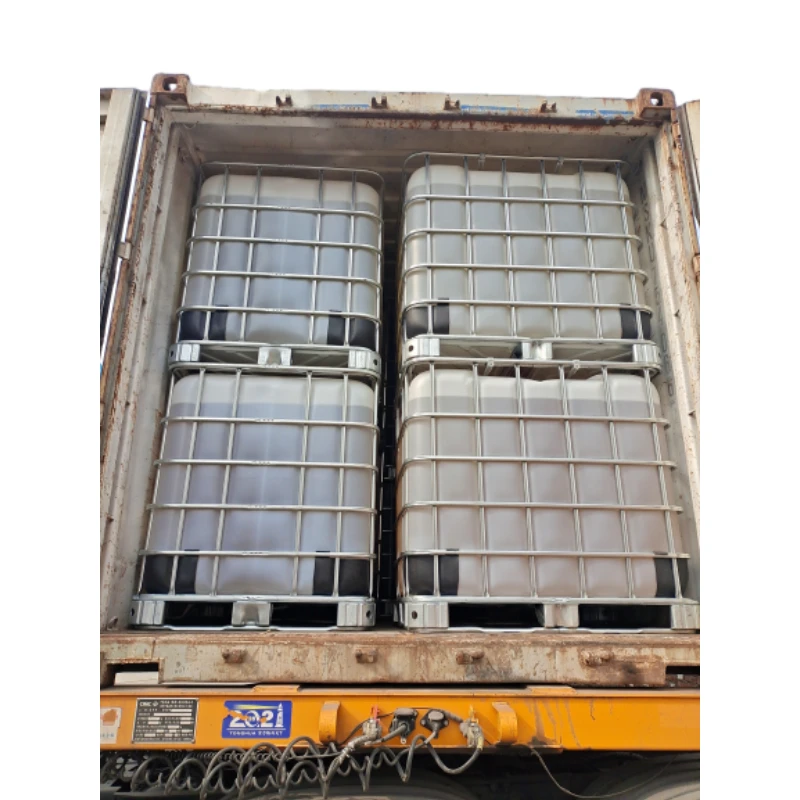
view more DiethanolisopropanolamineIn the ever-growing field of chemical solutions, diethanolisopropanolamine (DEIPA) stands out as a versatile and important compound. Due to its unique chemical structure and properties, DEIPA is of interest to various industries including construction, personal care, and agriculture. -
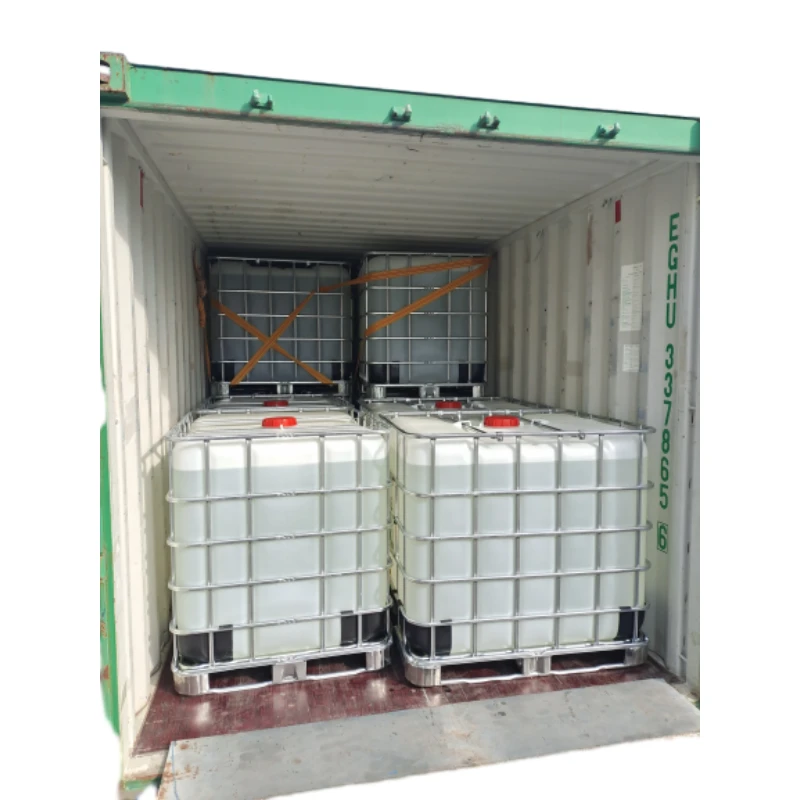
view more TriisopropanolamineTriisopropanolamine (TIPA) alkanol amine substance, is a kind of alcohol amine compound with amino and alcohol hydroxyl, and because of its molecules contains both amino and hydroxyl. -

view more Tetramethyl Thiuram DisulfideTetramethyl thiuram disulfide, also known as TMTD, is a white to light-yellow powder with a distinct sulfur-like odor. It is soluble in organic solvents such as benzene, acetone, and ethyl acetate, making it highly versatile for use in different formulations. TMTD is known for its excellent vulcanization acceleration properties, which makes it a key ingredient in the production of rubber products. Additionally, it acts as an effective fungicide and bactericide, making it valuable in agricultural applications. Its high purity and stability ensure consistent performance, making it a preferred choice for manufacturers across various industries.