





Foam Stabilizer Food: Essential Additives for Maintaining Texture and Quality in Modern Food Products
Understanding Foam Stabilizer Food: A Key Ingredient for Quality and Consistency
You might wonder, what exactly is foam stabilizer food, and why does it matter beyond just some fancy ingredient label on packaging? Well, in real terms, foam stabilizers are crucial additives widely used in the food industry to maintain the delicate structure and delightful texture of many products we often take for granted. Think of your favorite mousse or whipped topping—those airy, fluffy qualities don’t last without the right stabilizers.
Globally, the demand for foods with extended shelf life, better sensory appeal, and consistent quality keeps rising. According to the Food and Agriculture Organization (FAO), food industries worldwide are increasingly investing in additives that support product stability, reduce waste, and ensure safety—and foam stabilizers fit squarely into this equation.
Introduction: Global Context of Foam Stabilizer Food
The global food processing market is projected to grow annually around 5.8% (CAGR 2023-2028), driven largely by innovation in texture and preservation techniques (source: ISO Food Standards). Foam stabilizers, though often overlooked, address a rather complicated challenge: how to keep food foam intact over time. Without this, textures collapse, and product appeal diminishes quickly, hitting both consumers and manufacturers hard.
Whether in industrial kitchens or humanitarian food programs, foam stabilizers assure safety and palatability. Oddly enough, these additives play a role even in emergency food supplies, where maintaining the integrity of nutritional products can be critical.
What Is Foam Stabilizer Food?
Simply put, foam stabilizer food refers to additives incorporated into food products to help maintain gas bubbles suspended within liquids or semi-liquids, ensuring foams stay robust rather than collapse. These stabilizers typically work by strengthening the liquid film around air bubbles or reducing surface tension.
Modern food industries rely heavily on emulsifiers and stabilizers, including proteins, polysaccharides, and synthetic agents, to meet consumer expectations for texture and appearance. It's a subtle scientific art but a profoundly practical necessity.
Key Components of Foam Stabilizer Food
1. Surface-Active Agents
These molecules reduce surface tension at the interface between air and liquid, making bubble formation easier. Common examples include lecithin and mono- and diglycerides. Without these, forming a stable foam would be nearly impossible.
2. Polysaccharides
Substances such as xanthan gum or guar gum add viscosity to the liquid phase, thickening the surrounding liquid around bubbles and thus preventing them from bursting prematurely.
3. Proteins
Proteins like egg whites or whey protein bind at the air-liquid interface, providing elasticity and strength to the foam structure, essential for some confectionery and bakery delights.
4. Mineral Salts
Minerals like calcium salts can interact with proteins and polysaccharides to further enhance foam stability by cross-linking molecular networks.
Mini takeaway: Effective foam stabilizers blend these ingredients strategically to balance foam formation and longevity, ensuring products maintain texture under varying conditions.
Global Applications and Use Cases
Foam stabilizers light up multiple sectors in pretty fascinating ways. For instance, in Western Europe and North America, you’ll find them heavily employed in bakery products, dairy desserts, and confectioneries. Meanwhile, in regions like Southeast Asia, where tropical conditions challenge food preservation, stabilizers support the export and domestic supply chains by prolonging quality.
In humanitarian contexts, robust foam stabilizers ensure emergency rations or supplemental foods stay appetizing and safe, supporting millions in disaster zones and refugee camps. NGOs often specify such additives for ready-to-eat meals where every texture counts for morale and nutrition.
Advantages and Long-Term Value
- Cost Efficiency: They reduce waste by extending shelf life and keeping food appealing longer.
- Sustainability: Less spoilage and better resource utilization match well with zero-waste initiatives.
- Social Impact: Better foam stability improves food acceptance, especially in sensitive settings where texture influences consumption.
- Innovation: New stabilizers enable novel product development—from plant-based whipped creams to low-fat alternatives.
It's not just about economics or tech; there’s a human element too. The joy of texture can influence diet quality, particularly in institutional food services. Reliable foam stabilizers foster trust between producer and consumer—oddly reassuring in a busy supermarket.
Future Trends in Foam Stabilizer Food
The food industry is flirting with greener, cleaner-label stabilizers. You’ll soon see more plant-derived polymers replacing synthetic ones, aligning with consumer demands for natural, allergen-free ingredients. Plus, digital food testing with AI-led texture analysis is speeding up how companies tailor stabilizer combinations precisely.
Sustainability also drives innovations—using by-products from agro-industries as raw materials creates a circular economy. And automation elevates foam quality consistency on a massive scale, improving supply reliability.
Challenges and How Experts Overcome Them
Foam stabilization isn’t foolproof. Sometimes, environmental factors like humidity and temperature can wreak havoc on foam quality. Different food matrices also require highly customized stabilizer blends—what works for dairy might not suit bakery products.
The latest solutions revolve around combining natural polymers with proprietary synthetics and leveraging process controls such as high-shear mixing or ultrasonic treatment. Many engineers note that empirical testing coupled with machine learning predictions helps hit optimal formulas faster than ever.
Product Specifications of Typical Foam Stabilizer Food Additives
| Parameter | Typical Range | Notes |
|---|---|---|
| Appearance | White to off-white powder | Depends on base material |
| Solubility | High in water | Essential for foam formation |
| pH Range | 4.0 – 7.0 | Food-safe range |
| Dosage | 0.2% – 2.0% by weight | Depending on product type |
| Shelf Life | 12-24 months | Stored in dry, cool environment |
Vendor Comparison for Foam Stabilizer Food Additives
| Vendor | Product Range | Price Range (per kg) | Certifications | Global Delivery |
|---|---|---|---|---|
| Tenger Chemical | Wide – polysaccharides, proteins | $15–30 | ISO 22000, Halal | Yes |
| Global Stabilizers Inc. | Focus on protein-based | $20–35 | FDA Approved | Limited |
| Natural Additives Ltd. | Plant-based only | $18–28 | Organic Certified | Yes |
FAQ: Frequently Asked Questions About Foam Stabilizer Food
- What types of food products typically use foam stabilizers?
- Foam stabilizers are common in bakery items (like sponge cakes), dairy desserts (e.g., mousses, whipped creams), confections, and beverages that incorporate foams. They preserve texture and appearance.
- Are foam stabilizers safe for all consumers?
- Most foam stabilizers approved by regulatory bodies like the FDA and EFSA are safe when used within recommended limits. Consumers with allergies should always check ingredient lists or consult manufacturers.
- Can foam stabilizers affect the nutritional value of food?
- Generally, stabilizers are used in small amounts and have minimal impact on nutrition. They primarily influence texture and stability rather than nutrient content.
- How do environmental conditions affect foam stability?
- Heat, humidity, and pH changes can break down foam structure. Choosing the right stabilizer blend tailored to storage and transport conditions is critical for maintaining product quality.
- Where can I source reliable foam stabilizers for food manufacturing?
- Reputable suppliers like Tenger Chemical offer certified, globally delivered foam stabilizer products compatible with many food applications.
Conclusion
The landscape of foam stabilizer food is evolving fast, blending science with consumer demands and sustainability. Understanding these additives unlocks better food quality, reduced waste, and confident innovation across industries. Frankly, next time you savor that creamy mousse or airy cake, a bit of thought about stabilizers makes the experience richer—food science really has your back.
Explore more about trusted foam stabilizer food solutions and innovations at Tenger Chemical, your partner in food additive excellence.
Takeaway: Foam stabilizers may be small in quantity but big on impact—balancing texture, safety, and shelf life in a complex global food arena.
-
The Essential Guide to Sorbates as Food Preservatives for SafetyNewsApr.16,2026
-
The Ultimate Guide to Sorbate Preservative in Modern IndustryNewsApr.09,2026
-
Comprehensive Guide to Sodium Stearoyl Lactylate Emulsifier Applications and BenefitsNewsApr.07,2026
-
Comprehensive Guide to Sodium Cyclamate Sweetener Properties and ApplicationsNewsApr.04,2026
-
Comprehensive Guide to Sodium Citrate Food Additive and Its ApplicationsNewsMar.31,2026
-
Comprehensive Guide to Sodium Bicarbonate Food Additive Applications and BenefitsNewsMar.28,2026
-
Understanding Sodium Benzoate Preservative in Cosmetics and Its ApplicationsNewsMar.26,2026
Hebei Tenger Chemical Technology Co., Ltd. focuses on the chemical industry and is committed to the export service of chemical raw materials.
-
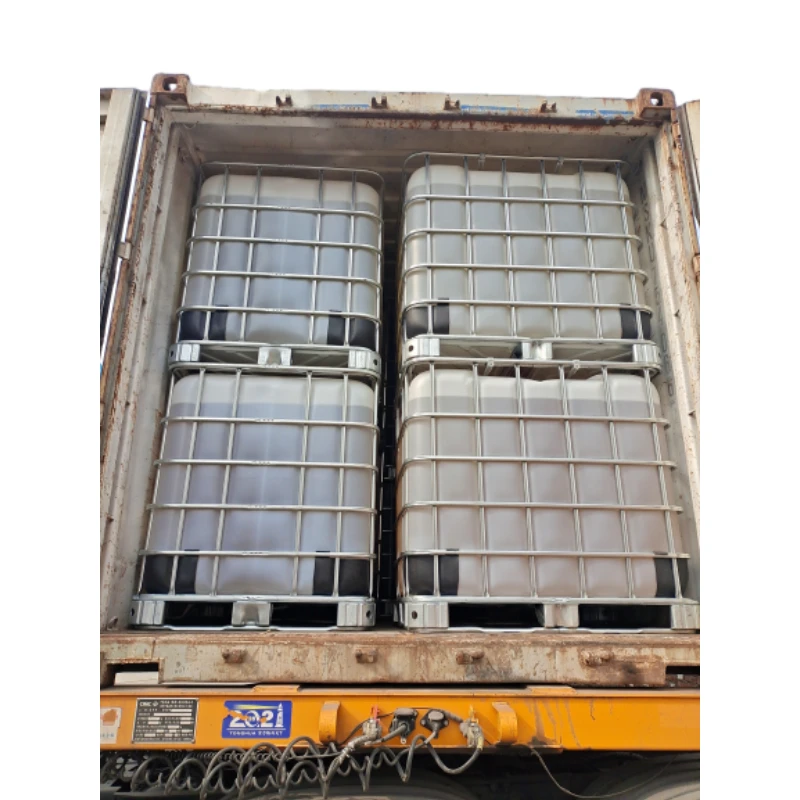
view more DiethanolisopropanolamineIn the ever-growing field of chemical solutions, diethanolisopropanolamine (DEIPA) stands out as a versatile and important compound. Due to its unique chemical structure and properties, DEIPA is of interest to various industries including construction, personal care, and agriculture. -
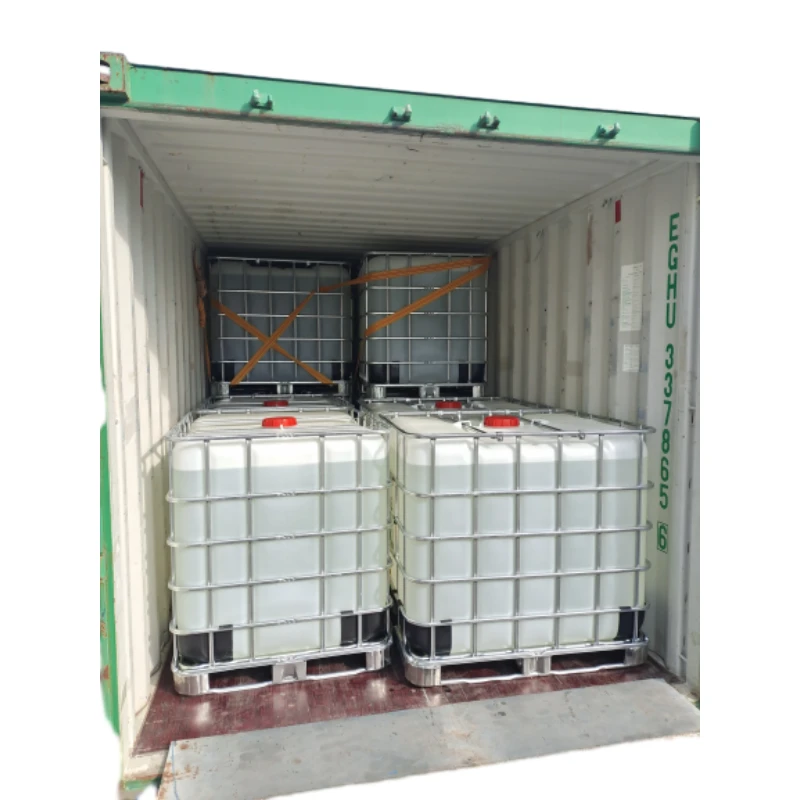
view more TriisopropanolamineTriisopropanolamine (TIPA) alkanol amine substance, is a kind of alcohol amine compound with amino and alcohol hydroxyl, and because of its molecules contains both amino and hydroxyl. -
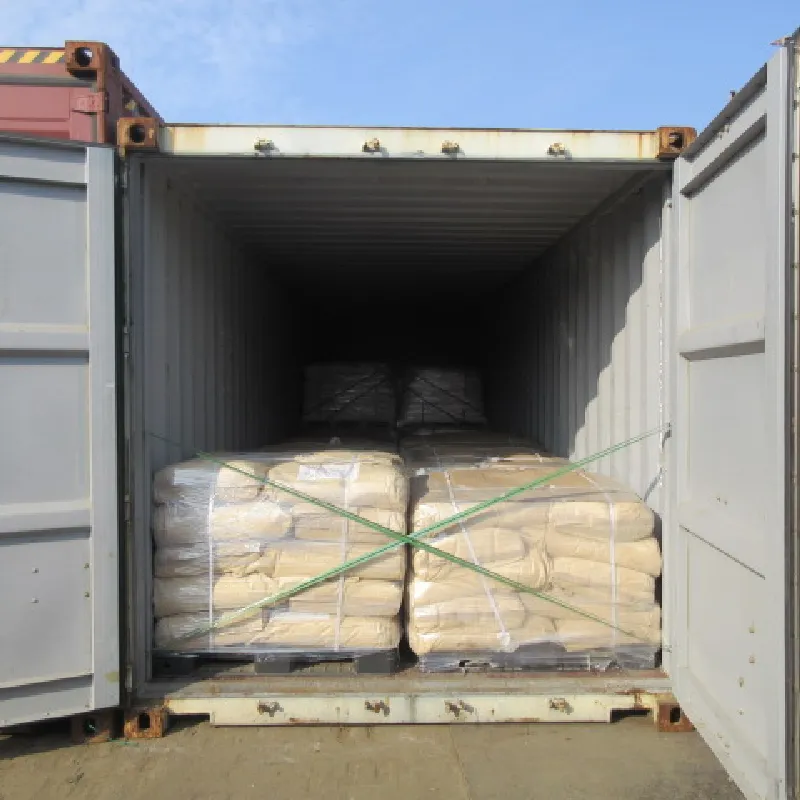
view more Tetramethyl Thiuram DisulfideTetramethyl thiuram disulfide, also known as TMTD, is a white to light-yellow powder with a distinct sulfur-like odor. It is soluble in organic solvents such as benzene, acetone, and ethyl acetate, making it highly versatile for use in different formulations. TMTD is known for its excellent vulcanization acceleration properties, which makes it a key ingredient in the production of rubber products. Additionally, it acts as an effective fungicide and bactericide, making it valuable in agricultural applications. Its high purity and stability ensure consistent performance, making it a preferred choice for manufacturers across various industries.