





Food Additive 500: Industrial Insights & Best Supplier Comparison
Understanding Food Additive 500: Practical Insights from the Industrial Frontline
Having spent more than a decade in the industrial equipment sector—much of it closely linked with food processing and additives—I've seen firsthand how even seemingly small ingredients can make a significant impact. Food additive 500 is one of those ingredients that, frankly, doesn't always get the spotlight but often plays a quiet, steady role in food manufacturing, especially when it comes to acidity regulation.
Food additive 500, primarily known as sodium carbonate, has an interesting place in the food industry. It’s what we call a permitted acidity regulator, helping to maintain balance and stability in various food products. You might encounter it in beverages, baked goods, and even in confectionery. Oddly enough, it’s kind of like the unsung hero behind consistent taste and texture. While it might seem a bit technical or mundane, its effective use often tells the story of quality assurance and smart ingredient sourcing.
What I really appreciate about additive 500 is how versatile it is—industrial chemists and food scientists cherish its buffering capabilities. In real terms, this means it keeps pH levels steady, which is crucial for processes where acidity can quickly swing and ruin batches. I recall a client once shared how switching to a higher-purity version of this additive reduced their product wastage drastically. It’s a reminder of how such details affect the bottom line.
| Parameter | Specification | Comments |
|---|---|---|
| Chemical Name | Sodium Carbonate (Na2CO3) | Also known as washing soda |
| Purity | > 99% | Food Grade Quality |
| Appearance | White crystalline powder | Standard form |
| Solubility | Soluble in water | Ensures easy mixing |
| pH (1% solution) | 11.5–12.5 | Alkaline |
Now, you might wonder how to choose a reliable supplier—product quality and traceability are critical here. From my experience, it’s not just about who offers the best price, but who can guarantee consistent purity levels and batch-to-batch reliability. I was involved in a project where three different vendors were tested over six months, revealing notable differences in impurity contents and particle size, which ultimately affected handling and processing.
| Vendor | Purity (%) | Particle Size (µm) | Packaging Options | Price per Ton |
|---|---|---|---|---|
| Tenger Chemical | 99.5 | 50–150 | 25kg Bags, Bulk | Competitive |
| Vendor B | 98.8 | 75–200 | 50kg Bags Only | Moderate |
| Vendor C | 99.2 | 60–180 | Bulk Only | Higher |
One small story I like to share comes from a mid-sized bakery. They struggled with inconsistent dough rise and flavor balance. After consulting on ingredient specs, they switched to a purer grade of food additive 500 from Tenger Chemical. The results were almost immediate—better taste profile, more consistent batches, and decreased customer complaints. It’s a reminder that sometimes, the “invisible” ingredients are the ones that can transform a product’s performance.
Looking ahead, many engineers I know are pushing for even tighter quality controls on additives like sodium carbonate, pairing them with digital monitoring for better manufacturing control. It’s a fascinating evolution if you ask me. The technology and standards are becoming something of an art form, and suppliers like Tenger Chemical seem to understand that nuance—supplying not just additive 500, but confidence in every bag.
So, if you're in the food production or chemical sourcing field, thinking of food additive 500 as "just another chemical" might sell it short. Instead, it's a key component in the complex dance that yields shelf-stable, tasty, and safe food products. And that’s something worth knowing.
One takeaway? Always check your additive specs and supplier credentials—quality here ripples through your entire process.
- European Food Safety Authority (EFSA) reports on acidity regulators
- Industry whitepaper on sodium carbonate usage in food production
- Tenger Chemical technical datasheets and product literature
-
The Essential Guide to Sorbates as Food Preservatives for SafetyNewsApr.16,2026
-
The Ultimate Guide to Sorbate Preservative in Modern IndustryNewsApr.09,2026
-
Comprehensive Guide to Sodium Stearoyl Lactylate Emulsifier Applications and BenefitsNewsApr.07,2026
-
Comprehensive Guide to Sodium Cyclamate Sweetener Properties and ApplicationsNewsApr.04,2026
-
Comprehensive Guide to Sodium Citrate Food Additive and Its ApplicationsNewsMar.31,2026
-
Comprehensive Guide to Sodium Bicarbonate Food Additive Applications and BenefitsNewsMar.28,2026
-
Understanding Sodium Benzoate Preservative in Cosmetics and Its ApplicationsNewsMar.26,2026
Hebei Tenger Chemical Technology Co., Ltd. focuses on the chemical industry and is committed to the export service of chemical raw materials.
-
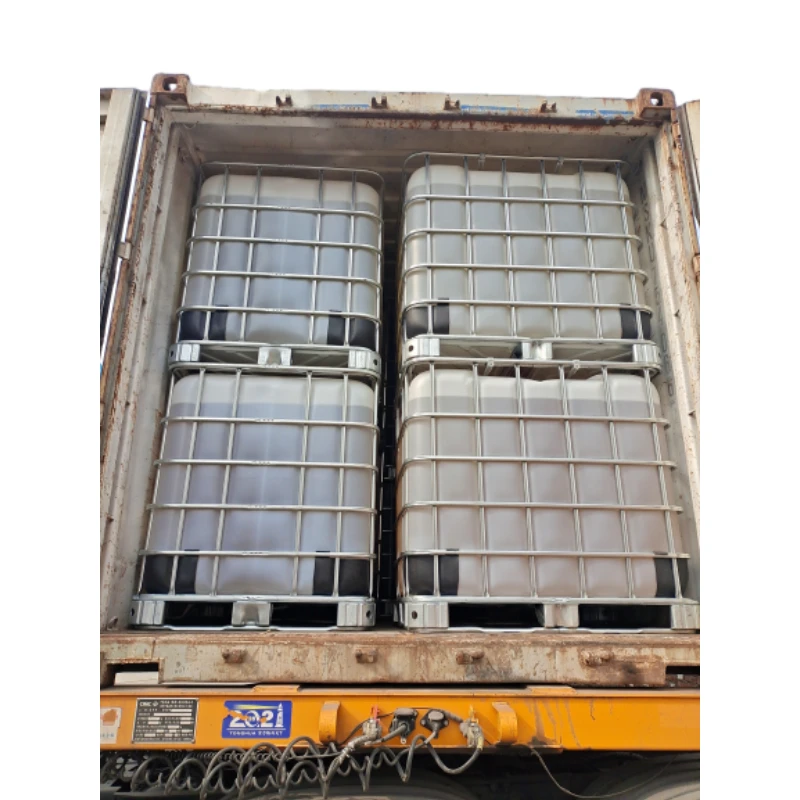
view more DiethanolisopropanolamineIn the ever-growing field of chemical solutions, diethanolisopropanolamine (DEIPA) stands out as a versatile and important compound. Due to its unique chemical structure and properties, DEIPA is of interest to various industries including construction, personal care, and agriculture. -
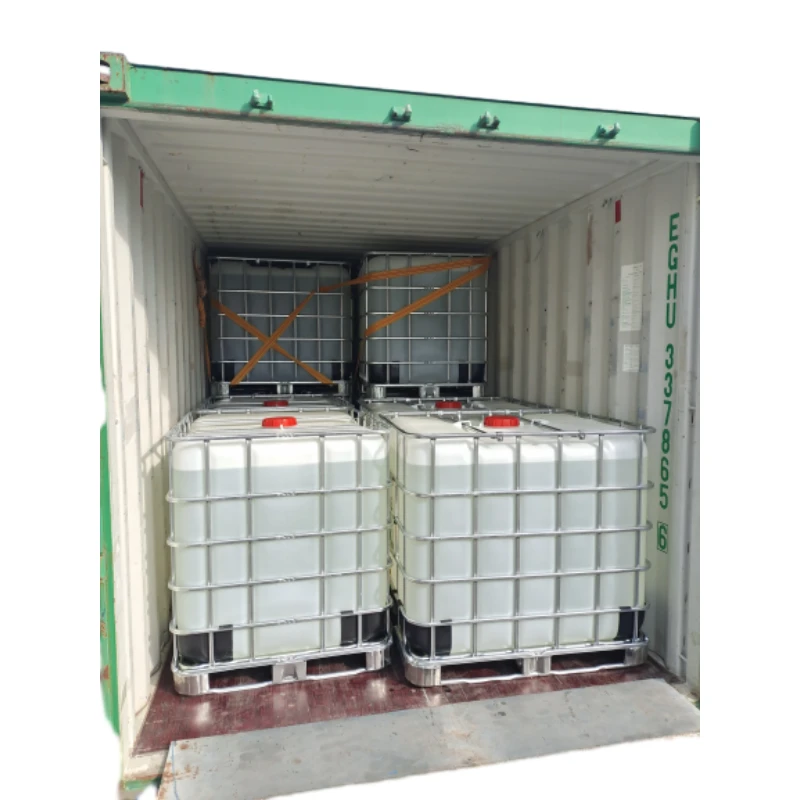
view more TriisopropanolamineTriisopropanolamine (TIPA) alkanol amine substance, is a kind of alcohol amine compound with amino and alcohol hydroxyl, and because of its molecules contains both amino and hydroxyl. -
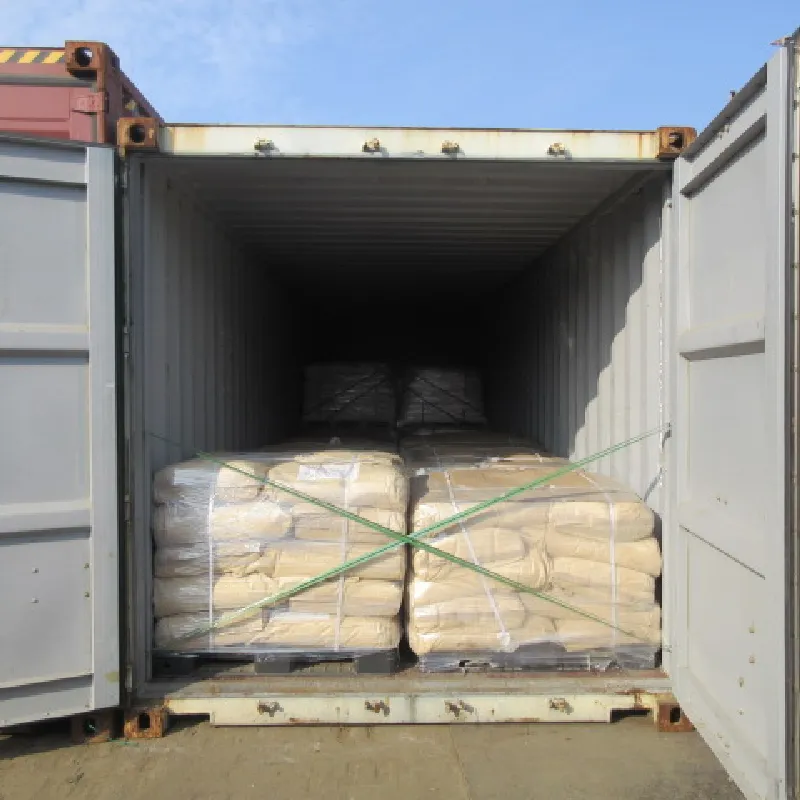
view more Tetramethyl Thiuram DisulfideTetramethyl thiuram disulfide, also known as TMTD, is a white to light-yellow powder with a distinct sulfur-like odor. It is soluble in organic solvents such as benzene, acetone, and ethyl acetate, making it highly versatile for use in different formulations. TMTD is known for its excellent vulcanization acceleration properties, which makes it a key ingredient in the production of rubber products. Additionally, it acts as an effective fungicide and bactericide, making it valuable in agricultural applications. Its high purity and stability ensure consistent performance, making it a preferred choice for manufacturers across various industries.