





Understanding the Versatile Applications of SO2 Preservative for Enhanced Product Quality
Understanding SO2 Preservative: Applications and Benefits
Sulfur dioxide (SO2) is a widely used preservative in various industries, including food and beverage, pharmaceuticals, and wastewater treatment. Its effectiveness in inhibiting microbial growth and preventing oxidation makes it a valuable asset. This article provides a comprehensive overview of SO2 preservative, covering its properties, applications, safety considerations, and sourcing options. Understanding SO2's role is crucial for maintaining product quality and extending shelf life. Whether you're involved in winemaking, food processing, or industrial applications, this guide offers insights into optimizing SO2 usage.
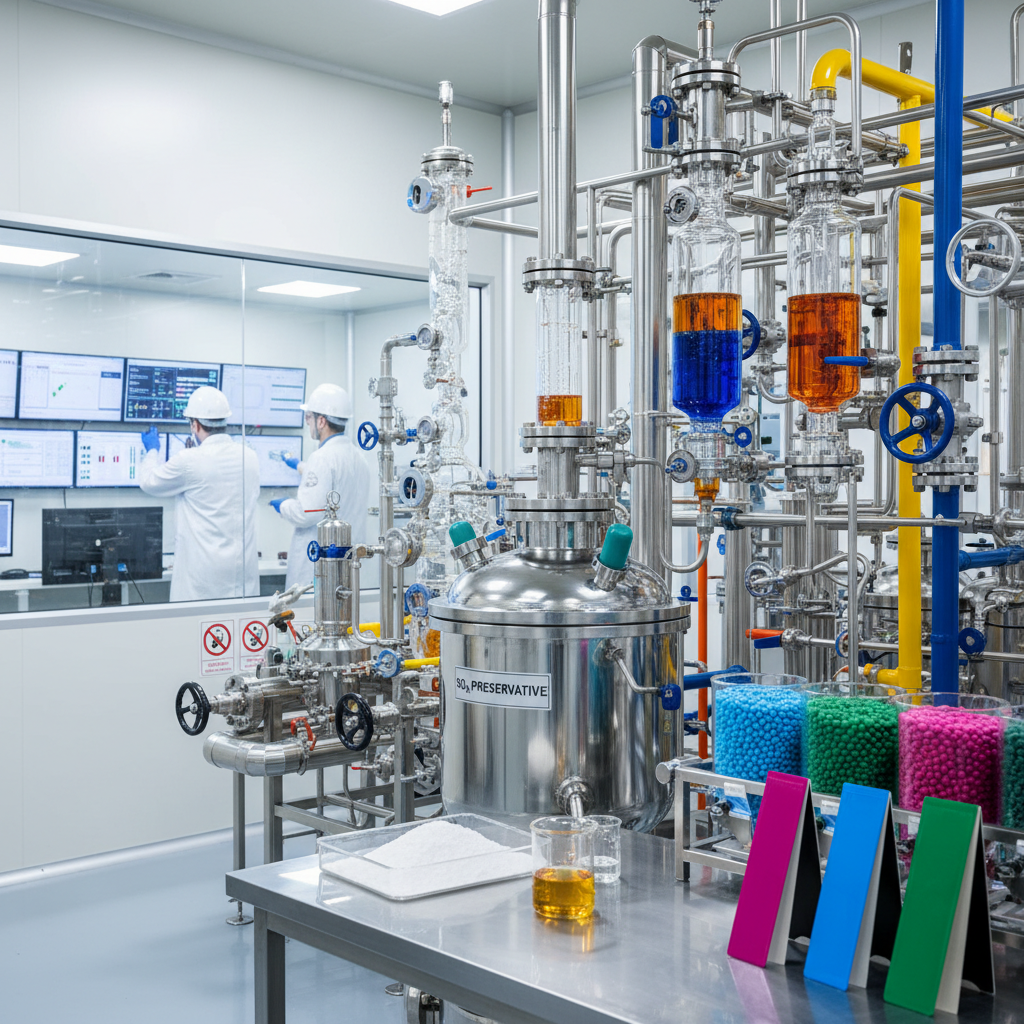
The Chemical Properties of Sulfur Dioxide
Sulfur dioxide (SO2) is a colorless gas with a pungent odor. It's a chemical compound composed of sulfur and oxygen. Its primary function as a preservative stems from its ability to dissolve in water, forming sulfurous acid (H2SO3). This acidic environment inhibits the growth of bacteria, yeasts, and molds, effectively preventing spoilage. SO2 also acts as an antioxidant, preventing enzymatic browning and oxidation reactions that can affect color, flavor, and nutritional value. The strength of the preservative effect is dependent on factors such as pH, temperature, and the concentration of SO2 used. Tenger Chemical provides high-quality SO2 preservative solutions tailored to diverse industrial needs.
Key Highlights: SO2's ability to form sulfurous acid creates an inhospitable environment for microorganisms, preventing spoilage and maintaining product quality.
Applications of SO2 Preservative Across Industries
The versatility of SO2 preservative extends to numerous applications. In the food and beverage industry, it's crucial in winemaking to prevent oxidation and control fermentation. It's also used in dried fruits, jams, and jellies to maintain color and prevent spoilage. In the pharmaceutical sector, SO2 is used as a disinfectant and preservative in certain medications. Furthermore, it plays a significant role in wastewater treatment, where it's used to dechlorinate effluent and reduce odor. The correct application of SO2 requires a thorough understanding of regulatory guidelines and optimal dosage levels.
Key Application Areas:
• Winemaking: Prevents oxidation and controls fermentation.
• Food Processing: Preserves color, flavor, and prevents spoilage in dried fruits and jams.
• Pharmaceuticals: Used as a disinfectant and preservative.
• Wastewater Treatment: Dechlorination and odor reduction.
SO2 Preservative: Dosage and Regulatory Guidelines
The appropriate dosage of SO2 preservative varies significantly depending on the application, product type, and regulatory requirements. Strict adherence to legal limits is essential. In winemaking, for example, permitted levels of free SO2 are governed by country-specific regulations. Exceeding these limits can result in penalties and consumer safety concerns. The Food and Drug Administration (FDA) and other regulatory bodies set maximum allowable levels for SO2 in various food products. Proper monitoring and testing are crucial to ensure compliance and maintain product safety. Tenger Chemical provides guidance on appropriate dosage levels and assists with regulatory compliance.
Safety Considerations When Handling SO2 Preservative
Sulfur dioxide is a respiratory irritant, and exposure can cause coughing, shortness of breath, and irritation to the eyes and skin. Proper handling procedures are essential. This includes wearing appropriate personal protective equipment (PPE), such as respirators, gloves, and eye protection. Work areas should be well-ventilated to minimize exposure to SO2 gas. In case of accidental exposure, seek fresh air immediately and consult medical attention if symptoms persist. Always review the Safety Data Sheet (SDS) for detailed safety information. Tenger Chemical prioritizes safety and provides comprehensive SDS documentation with all products.
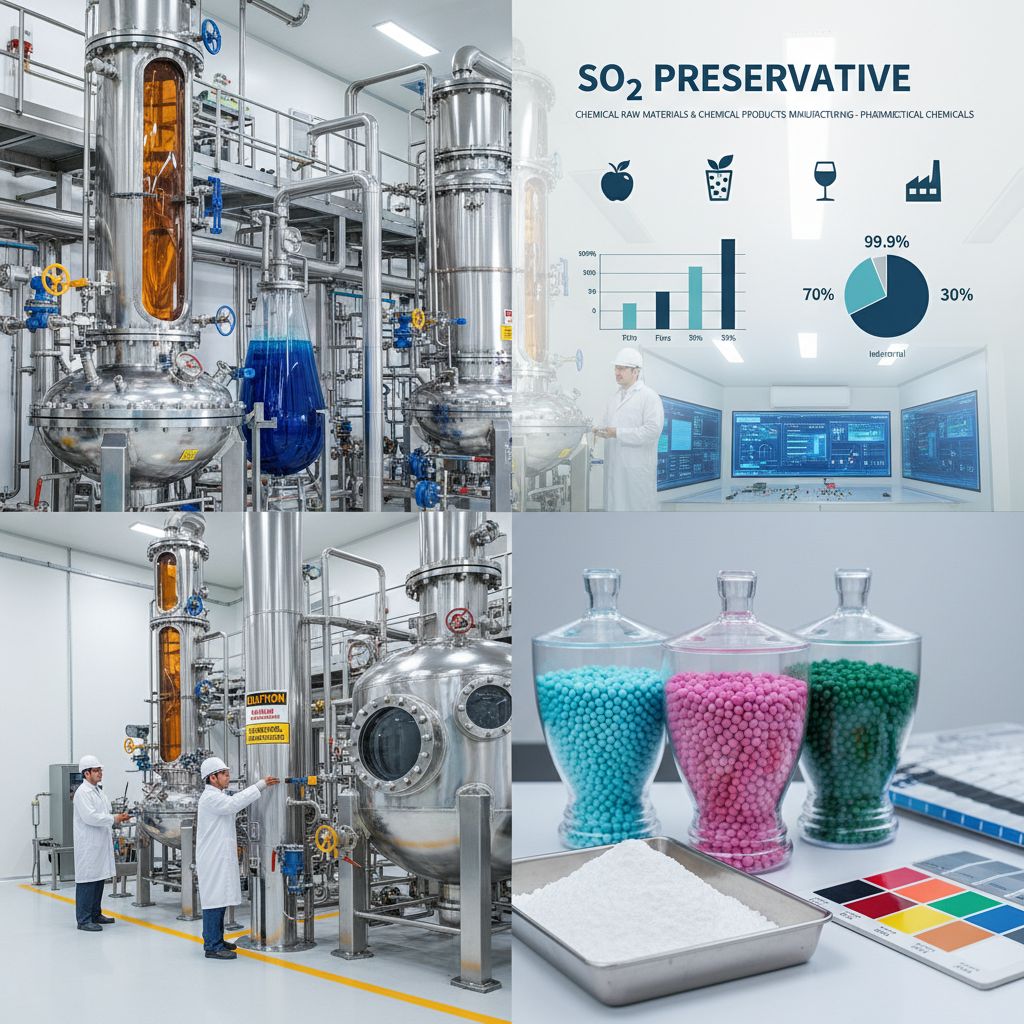
Sourcing High-Quality SO2 Preservative from Tenger Chemical
When sourcing SO2 preservative, quality and reliability are paramount. Tenger Chemical is a trusted supplier of high-purity SO2, ensuring consistent performance and adherence to industry standards. We offer various grades and packaging options to meet your specific requirements. Our commitment to quality control, efficient logistics, and exceptional customer service makes us a preferred partner for businesses across diverse sectors. Contact us today to discuss your SO2 needs and receive a customized quote.
Conclusion: Optimizing Product Quality with Reliable SO2 Solutions
Choosing the right SO2 preservative is vital for maintaining product quality, extending shelf life, and ensuring regulatory compliance. Tenger Chemical delivers high-quality products, expert guidance, and reliable service to support your success. Invest in a trusted partner for your SO2 needs.
Frequently Asked Questions (FAQs)
What are the potential health risks associated with SO2 exposure?
Sulfur dioxide is a respiratory irritant that can cause coughing, wheezing, shortness of breath, and irritation of the eyes and throat. Prolonged or high-level exposure can exacerbate existing respiratory conditions like asthma. Skin contact can cause irritation, and eye contact can lead to burning and tearing. It’s crucial to handle SO2 with appropriate personal protective equipment (PPE) and ensure adequate ventilation. Individuals with respiratory sensitivities should avoid exposure altogether. In case of exposure, seek fresh air and medical attention if symptoms persist.
How does SO2 prevent microbial growth?
SO2 inhibits microbial growth through several mechanisms. Firstly, it dissolves in water, forming sulfurous acid (H2SO3), which lowers the pH, creating an acidic environment inhospitable to most bacteria, yeasts, and molds. Secondly, SO2 interferes with the enzymatic processes essential for microbial metabolism. It can react with sulfhydryl groups in enzymes, disrupting their function. Finally, SO2 has a direct antimicrobial effect on cell membranes, compromising their integrity and leading to cell death.
What is the difference between sulfur dioxide and sulfites?
Sulfur dioxide (SO2) is the gaseous form of the compound, while sulfites are salts formed when SO2 reacts with other elements. Common sulfites include potassium metabisulfite, sodium sulfite, and sodium bisulfite. While SO2 itself is used as a preservative in some applications (e.g., wastewater treatment), sulfites are more commonly used in food and beverage preservation due to their ease of handling and solubility. Both SO2 and sulfites exert preservative effects through the same mechanisms, inhibiting microbial growth and preventing oxidation.
Where can I find detailed safety information about SO2?
Detailed safety information about SO2 can be found in the Safety Data Sheet (SDS) provided by the supplier. Tenger Chemical provides comprehensive SDS documentation for all our products. You can also find valuable information on the websites of regulatory agencies like the Environmental Protection Agency (EPA) and the Occupational Safety and Health Administration (OSHA).
-
The Essential Guide to Sorbates as Food Preservatives for SafetyNewsApr.16,2026
-
The Ultimate Guide to Sorbate Preservative in Modern IndustryNewsApr.09,2026
-
Comprehensive Guide to Sodium Stearoyl Lactylate Emulsifier Applications and BenefitsNewsApr.07,2026
-
Comprehensive Guide to Sodium Cyclamate Sweetener Properties and ApplicationsNewsApr.04,2026
-
Comprehensive Guide to Sodium Citrate Food Additive and Its ApplicationsNewsMar.31,2026
-
Comprehensive Guide to Sodium Bicarbonate Food Additive Applications and BenefitsNewsMar.28,2026
-
Understanding Sodium Benzoate Preservative in Cosmetics and Its ApplicationsNewsMar.26,2026
Hebei Tenger Chemical Technology Co., Ltd. focuses on the chemical industry and is committed to the export service of chemical raw materials.
-
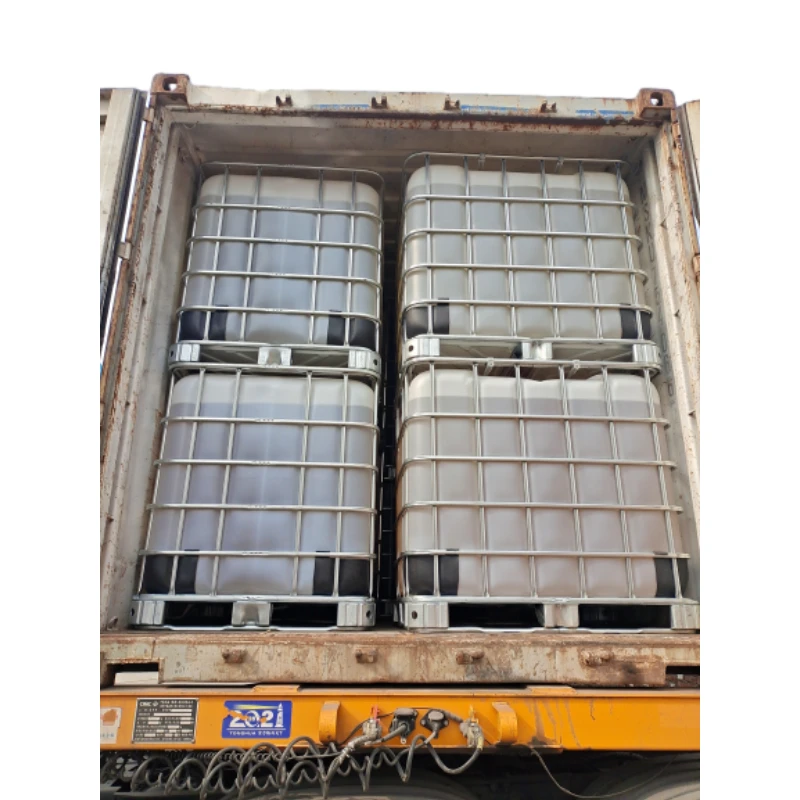
view more DiethanolisopropanolamineIn the ever-growing field of chemical solutions, diethanolisopropanolamine (DEIPA) stands out as a versatile and important compound. Due to its unique chemical structure and properties, DEIPA is of interest to various industries including construction, personal care, and agriculture. -
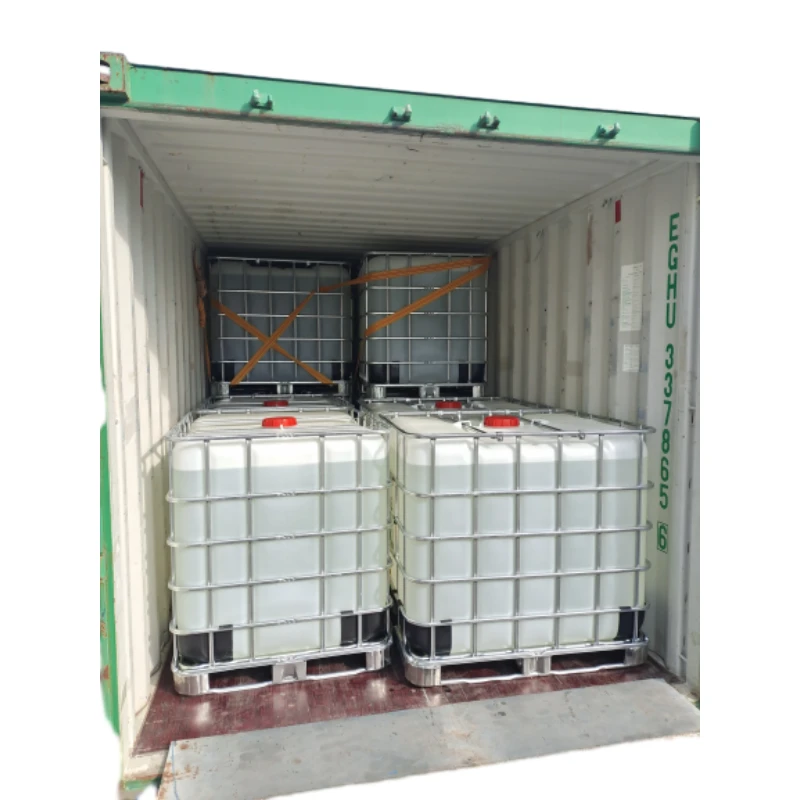
view more TriisopropanolamineTriisopropanolamine (TIPA) alkanol amine substance, is a kind of alcohol amine compound with amino and alcohol hydroxyl, and because of its molecules contains both amino and hydroxyl. -

view more Tetramethyl Thiuram DisulfideTetramethyl thiuram disulfide, also known as TMTD, is a white to light-yellow powder with a distinct sulfur-like odor. It is soluble in organic solvents such as benzene, acetone, and ethyl acetate, making it highly versatile for use in different formulations. TMTD is known for its excellent vulcanization acceleration properties, which makes it a key ingredient in the production of rubber products. Additionally, it acts as an effective fungicide and bactericide, making it valuable in agricultural applications. Its high purity and stability ensure consistent performance, making it a preferred choice for manufacturers across various industries.