


High Purity Monosodium Glutamate and potash fertilizer price 50kg
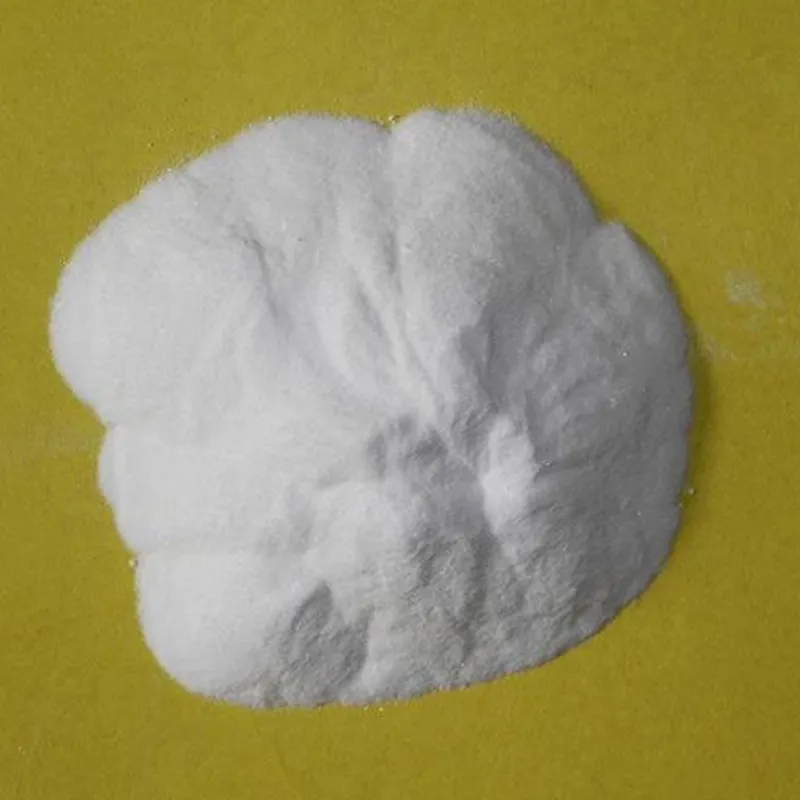
Achieving the perfect balance of savory depth in food production requires a precise understanding of flavor enhancement. Monosodium Glutamate (MSG), a crystalline powder derived from the amino acid glutamate, serves as a critical tool for professional chefs and industrial food processors to intensify natural flavors without the need for excessive salt. By stimulating the umami taste receptors on the tongue, it brings out the inherent richness of meats, vegetables, and plant-based proteins alike.
For procurement managers and food scientists, sourcing high-purity MSG is not just about cost, but about consistency, transmittance, and purity levels that ensure food safety and flavor stability. Whether utilized in traditional Asian cuisines, complex marinades, or modern vegan alternatives, the right specification of MSG can significantly reduce sodium intake while enhancing the overall eating experience, making it an indispensable ingredient in the global food additive market.

The Role of Monosodium Glutamate in Modern Culinary Science
Monosodium Glutamate acts as a potent flavor amplifier. Unlike traditional seasonings that add a new flavor profile to a dish, MSG works by augmenting the existing flavors. This is achieved through the stimulation of specific receptors that detect "umami"—the fifth basic taste, often described as savory or meaty. This mechanism allows food manufacturers to create satisfying taste profiles in a variety of products, from processed snacks to high-end restaurant sauces.
One of the most significant advantages of integrating MSG into recipes is the ability to achieve a rich, full-bodied taste while reducing the reliance on sodium chloride (table salt). Because MSG contains significantly less sodium than table salt, it provides a healthier alternative for flavor enhancement. This shift is particularly vital in the current health-conscious market where reducing salt intake is a priority without sacrificing the sensory quality of the food.
Furthermore, its versatility extends beyond savory dishes. MSG is increasingly used in sweet and salty combinations, adding complexity to dressings and glazes. Its shelf-stability ensures that it remains effective throughout the product's lifespan, making it a cost-effective choice for large-scale production where ingredient consistency is paramount.

Technical Specifications and Purity Standards for Industrial Use
In the chemical and food additive industry, the quality of Monosodium Glutamate is defined by its purity and physical characteristics. A high-grade product typically maintains a sodium glutamate content of 99% or higher. This high level of purity prevents off-flavors and ensures that the additive interacts predictably with other ingredients. Additionally, the particle size, often standardized at 60 mesh, is crucial for ensuring rapid and uniform dissolution in liquids and blends.
Transmittance and specific rotation are other key technical markers. High transmittance (typically ≥89%) indicates a lack of impurities and a clean, white appearance. The specific rotation, which ranges between +24.90 to +25.30, confirms the optical purity of the glutamate isomer, ensuring that the product delivers the intended biological response on the taste buds.
Strict control over heavy metals—such as lead, arsenic, and iron—is non-negotiable. Professional grade MSG must adhere to stringent limits (e.g., lead ≤1ppm) to comply with international food safety standards. These technical parameters ensure that the product is not only effective in flavor enhancement but also safe for long-term human consumption across diverse global markets.
Application Scenarios and Buyer Selection Criteria
The application of MSG spans across multiple sectors of the food industry. In commercial kitchens, it is used in soups, stews, and stir-fries to deepen the savory notes. In the industrial sector, it is a staple in the production of bouillon cubes, instant noodles, and savory snacks. Recently, there has been a surge in its use within the plant-based meat industry, where MSG helps replicate the complex "meaty" flavor of animal proteins in legumes and grains.
When evaluating suppliers, buyers should focus on several critical factors:
- Purity Levels: Ensure the sodium glutamate percentage meets the minimum 99% threshold to avoid flavor inconsistency.
- Solubility: Check the mesh size to ensure it matches the blending equipment used in the factory.
- Safety Documentation: Verify that heavy metal content is within the permissible limits for the target export market.
- Supply Stability: Partner with companies that have established distribution centers to avoid production delays.
For those following vegetarian or vegan diets, MSG is a valuable tool. It brings out the natural umami in vegetables and fungi, creating satisfying meat-free alternatives that appeal to a wider consumer base.
Technical Data Analysis for Monosodium Glutamate
| Test Item | Specification | Actual Result | Industrial Significance |
|---|---|---|---|
| Sodium Glutamate % | ≥99% | 99.5% | Ensures maximum flavor intensity |
| NaCl % | ≤2% | 0.2% | Lowers overall salt contribution |
| Particle Size | 60 MESH | 60 MESH | Optimizes dissolution rate |
| Transmittance % | ≥89% | 99% | Indicates high crystal purity |
| Loss on Drying % | ≤1% | 0.1% | Prevents caking and spoilage |
Supply Chain Reliability and Quality Assurance
Securing a stable supply of high-quality chemicals requires a partner with extensive logistics capabilities and strong manufacturer relationships. Hebei Tenger Chemical Technology Co., Ltd. leverages more than 20 years of experience in the chemicals export market to bridge the gap between large-scale domestic production and international demand. By maintaining a dedicated distribution center in Shijiazhuang and an export office in Hong Kong, the company ensures a seamless flow of materials to over 60 countries.
Quality assurance is integrated into every step of the logistics chain. From the initial sourcing from verified domestic manufacturers to the final delivery, a professional logistics team ensures that products are transported under conditions that preserve their chemical integrity. This is especially important for crystalline powders like MSG, where moisture control is essential to prevent clumping and degradation.
By offering one-stop chemical solutions, Tenger Chemical reduces the complexity of procurement for international buyers. This integrated approach allows clients to source multiple additives and raw materials from a single reliable entity, ensuring that all components of a food formulation meet the same rigorous quality standards.
Future Trends in Flavor Enhancement and Procurement
The global trend toward "clean label" products is driving innovation in how flavor enhancers are used. While MSG remains a gold standard for umami, there is an increasing demand for high-purity versions that can be used in smaller quantities to achieve the same effect. This cost-effectiveness is a key driver for procurement managers looking to optimize their raw material spend without compromising on the sensory experience of their products.
Additionally, the rise of the vegan and plant-based market is expanding the application scope of MSG. As manufacturers seek to make meat alternatives more appealing, the role of glutamate in creating a "savory" profile becomes more critical. We expect to see a shift toward more tailored specifications, where particle size and purity are adjusted based on the specific delivery system of the food product.
For buyers, the focus will likely shift toward suppliers who can provide not just the product, but the technical support to optimize its use in new formulations. The ability to provide detailed technical data and consistent purity levels will separate premium suppliers from commodity traders in the coming years.
Frequently Asked Questions Regarding MSG Sourcing
What is the primary function of MSG in food production?
MSG acts as a flavor enhancer that stimulates the umami receptors on the tongue, intensifying the natural savory flavors of foods and allowing for a reduction in overall salt usage.
How does particle size affect the application of MSG?
Particle size, such as the standard 60 mesh, determines how quickly the powder dissolves in liquids. Uniform particle size ensures consistent flavor distribution across a batch of product.
Is high-purity MSG suitable for vegan and vegetarian diets?
Yes, MSG is widely used in vegan and vegetarian cooking to bring out the natural umami taste in plant-based ingredients like mushrooms, tomatoes, and legumes.
What should I look for in a technical data sheet for MSG?
Buyers should check for a Sodium Glutamate content of ≥99%, low moisture (Loss on Drying ≤1%), and strict limits on heavy metals like Lead and Arsenic.
How is the stability of MSG ensured during international shipping?
Stability is maintained through moisture-proof packaging and professional logistics management to prevent clumping and ensure the crystalline structure remains intact.
Can MSG be used in sweet dishes?
Yes, MSG is versatile and can be used in sweet and savory combinations to add depth and complexity to sauces, glazes, and certain types of confectionery.
Technical References and Industry Sources
- Food and Agriculture Organization of the United Nations
- World Health Organization - Food Safety Standards
- U.S. Food and Drug Administration - GRAS Substances
- Codex Alimentarius International Food Standards
Whether you are refining a commercial recipe or managing a large-scale industrial supply chain, the quality of your flavor enhancers defines the quality of your final product. By prioritizing purity and partnering with experienced exporters, you ensure consistency and consumer satisfaction.
Industry Insights and Related Chemical Guides