High Purity TMTD and npk fertilizer price 50 kg Guide
Industrial rubber production and advanced agricultural crop protection often rely on specialized chemical accelerators and antimicrobials to ensure product durability and plant health. Tetramethyl thiuram disulfide (TMTD) emerges as a critical compound in these sectors, functioning both as a high-efficiency vulcanization accelerator and a broad-spectrum fungicide. For manufacturers seeking to optimize the mechanical properties of elastomers or developers formulating potent pesticides, understanding the purity and stability of TMTD is essential for consistent performance.
Whether you are managing the production of heavy-duty conveyor belts or enhancing agricultural productivity through fungal control, the chemical consistency of your raw materials directly impacts the final output. By leveraging TMTD's unique ability to accelerate cure rates and provide antimicrobial protection, industries can achieve superior heat aging resistance and improved mechanical strength in rubber goods, while simultaneously protecting crops from bacterial diseases.

Chemical Properties and the Mechanism of Vulcanization Acceleration
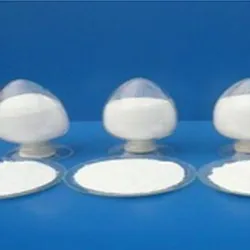
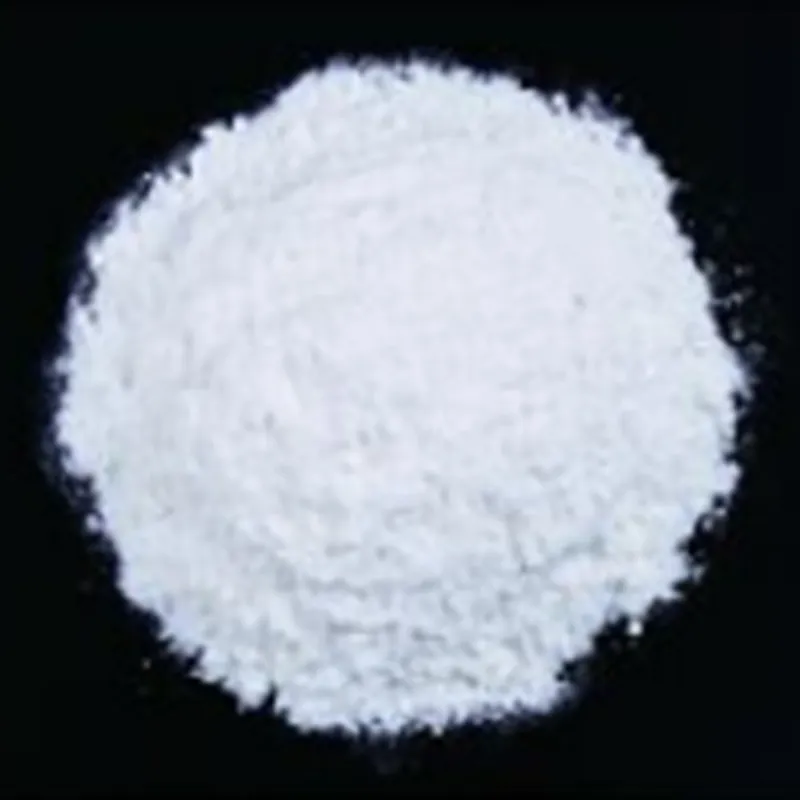
Tetramethyl thiuram disulfide is a white to light-yellow powder characterized by a distinct sulfur-like odor. Its chemical structure allows it to be highly soluble in organic solvents such as benzene, acetone, and ethyl acetate, which provides significant versatility when integrating the compound into various industrial formulations. In the realm of rubber chemistry, TMTD is prized for its role as a sulfur donor and a fast-acting accelerator.
The primary mechanism involves reducing the time required for vulcanization, which is the process of cross-linking polymer chains to transform raw rubber into a more durable, elastic material. By utilizing TMTD, manufacturers can achieve a rapid cure rate and an excellent vulcanization plateau. This is particularly critical for high-volume production lines where cycle time reduction directly correlates with operational efficiency. Furthermore, its performance in non-black vulcanization is notable for maintaining good color retention, making it suitable for a wider array of aesthetic and technical rubber products.
- High Purity: Ensures consistent cross-linking density across production batches.
- Solubility: Facilitates easy mixing in diverse organic chemical matrices.
- Thermal Stability: Maintains effectiveness under the high temperatures typical of curing presses.

Industrial Applications: From Heavy-Duty Rubber to Crop Protection
The utility of TMTD extends across several distinct industrial domains. In the rubber industry, it is an indispensable component in the manufacturing of tires, hoses, and conveyor belts. These products require extreme durability and resistance to compression set; TMTD provides the necessary acceleration to ensure the rubber can withstand heavy mechanical loads and environmental stress over a longer lifespan.
Beyond elastomers, TMTD serves a vital role in the agricultural sector. Its antimicrobial properties make it a powerful agent in the formulation of fungicides and pesticides. By inhibiting the growth of harmful fungi and bacteria, it protects high-value crops from infections that could otherwise lead to significant yield losses. This dual-purpose nature—serving both the industrial rubber sector and the agricultural chemical sector—demonstrates the multifaceted value of the compound.
Additionally, TMTD is frequently employed in the creation of specialized adhesives, sealants, and high-performance coatings. In these applications, its role as a vulcanization accelerator is leveraged to enhance the bonding strength and longevity of the final product, ensuring that sealants remain airtight and coatings remain resistant to degradation.
Technical Integration and Performance Optimization for Manufacturers
For engineers and chemists, the integration of TMTD into a formulation requires a precise understanding of its interactions with other accelerators. TMTD can be used as a single primary accelerator or as a secondary accelerator to boost the efficiency of other systems. For instance, in EPDM rubber, it acts as a valuable secondary accelerator, while in polychloroprene rubber, it can function as a retarder when used in conjunction with Accelerator ETU to prevent premature scorching.
Optimizing the use of TMTD involves balancing the cure rate with the desired mechanical properties. A fast cure rate is often desirable for productivity, but it must be managed to avoid internal stresses in the molded part. TMTD is specifically effective in sulfurless and EV cure systems, where it provides excellent heat aging resistance. This makes it the preferred choice for components that will be exposed to high operating temperatures, such as automotive engine mounts or industrial gaskets.
To ensure maximum efficacy, TMTD should be stored in a cool, well-ventilated area with containers kept tightly closed. This prevents moisture absorption and maintains the purity of the powder, ensuring that the technical specifications—such as the minimum melting point of 142.0°C and purity of 98%—are preserved until the moment of use.
Technical Specifications and Performance Metrics of TMTD
| Technical Item | Unit | Specification | Industry Significance |
|---|---|---|---|
| Appearance | --- | White Powder | Ensures consistency in non-black rubber |
| Initial M.P. (Min) | ℃ | 142.0 | Indicates thermal stability during storage |
| Purity (Min) | % | 98.0 | Directly affects vulcanization efficiency |
| Loss on Drying (Max) | % | 0.30 | Prevents moisture-related degradation |
| Residues (150µm Sieve) | % | 0.10 | Ensures uniform dispersion in polymers |
Procurement Considerations for High-Purity Chemical Accelerators
When sourcing TMTD for large-scale industrial use, procurement managers must look beyond the basic price point and evaluate the total value chain. Purity is the most critical factor; even a small percentage of impurities can lead to "scorching"—the premature vulcanization of rubber during the mixing process—which results in wasted raw materials and costly production downtime. Ensuring a purity level of at least 98% is a baseline requirement for professional-grade manufacturing.
The reliability of the supply chain is equally important. Because TMTD is used in continuous production environments, any disruption in supply can halt entire factories. Partnering with a supplier that maintains a dedicated distribution center ensures a stable buffer of stock and more efficient logistics. For international buyers, the ability to manage logistics from professional export hubs reduces the risk of shipping delays and ensures that the products are delivered safely and in accordance with chemical transport regulations.
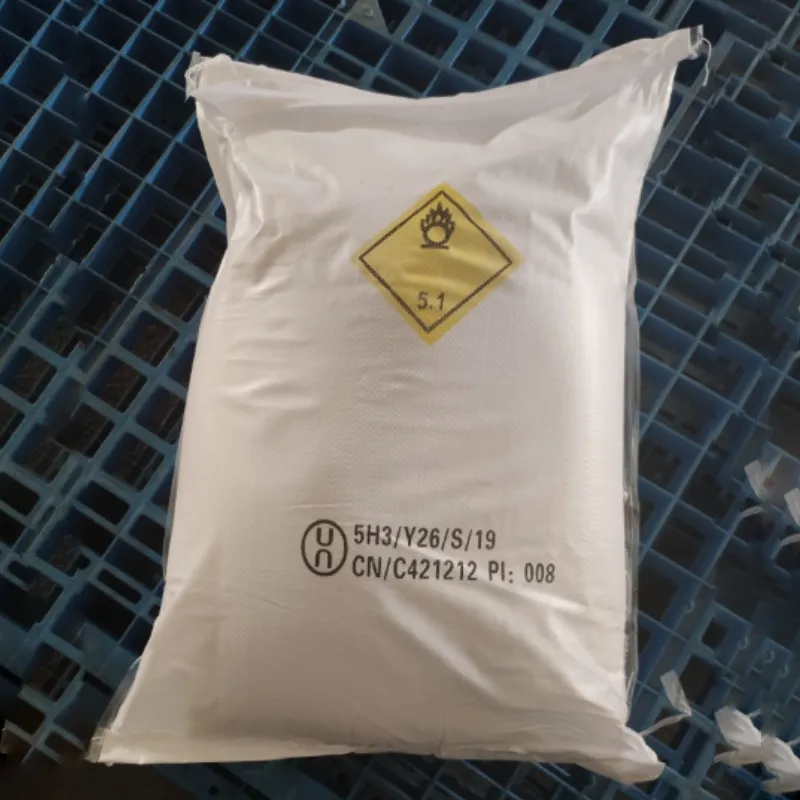
Packaging also plays a role in quality preservation. Standard 25kg bags or cartons are typical, but the integrity of the seal is paramount to prevent the sulfur-like odor from contaminating other materials and to keep the powder dry. Buyers should verify that the supplier adheres to strict storage protocols to maintain the chemical's potency from the factory to the plant.
Future Trends in Rubber Vulcanization and Antimicrobial Chemistry
The chemical industry is moving toward more sustainable and efficient processing methods. In rubber manufacturing, there is a growing demand for "green" accelerators that reduce the emission of volatile organic compounds (VOCs) during the curing process. While TMTD remains a gold standard for speed and durability, research is focused on optimizing its dosage to achieve the same mechanical results with lower chemical loads.
In agriculture, the trend is shifting toward integrated pest management (IPM), where chemical fungicides like TMTD are used more strategically in combination with biological controls. This targeted approach reduces the overall chemical footprint while maintaining high crop yields. The versatility of TMTD allows it to be adapted into these new, more precise delivery systems, such as seed coatings or slow-release formulations.
As global manufacturing moves toward tighter quality tolerances, the demand for ultra-high purity chemicals will increase. Companies that can provide a one-stop solution—combining technical support, quality assurance, and efficient logistics—will be best positioned to support the next generation of automotive, agricultural, and industrial products.
Frequently Asked Questions About Tetramethyl Thiuram Disulfide
What is the primary function of TMTD in rubber production?
TMTD acts as a powerful vulcanization accelerator and sulfur donor. It significantly speeds up the cross-linking process of rubber polymers, which improves the mechanical strength, heat resistance, and overall durability of the final rubber product.
Can TMTD be used in agricultural applications?
Yes, TMTD possesses broad-spectrum antimicrobial properties, making it an effective ingredient in the formulation of fungicides and pesticides used to protect crops from bacterial and fungal diseases.
What is the difference between a primary and secondary accelerator in this context?
A primary accelerator drives the bulk of the vulcanization process. A secondary accelerator, like TMTD when used with others, is added to boost the cure rate, improve the vulcanization plateau, or modify specific properties like heat aging resistance.
How does TMTD affect the color of the final rubber product?
Unlike some accelerators that cause significant discoloration, TMTD is known for providing good color retention, especially in non-black rubber vulcanization, allowing for a wider range of product colors.
What are the recommended storage conditions for TMTD?
TMTD should be stored in a cool, dry, and well-ventilated area. The containers must be kept tightly closed to prevent moisture ingress and to contain its distinct sulfur-like odor.
Is TMTD suitable for EPDM rubber?
Yes, TMTD is considered a highly valuable secondary accelerator for EPDM, helping to achieve the desired cure rates and mechanical properties required for EPDM-based industrial components.
Technical References and Industry Standards
- PubChem - Chemical Database for TMTD Properties
- ScienceDirect - Research on Rubber Vulcanization Accelerators
- ISO Standards for Chemical Purity and Testing
- EPA Guidelines for Industrial Chemical Handling
For companies seeking high-purity Tetramethyl thiuram disulfide to optimize their rubber or agricultural formulations, selecting a partner with a proven track record in global chemical distribution is key to ensuring quality and supply stability.
Related Chemical Solutions