





Acidity Regulator 575 (Glucono Delta-Lactone): Key to Safe, Sustainable Food Processing
Understanding Acidity Regulator 575: Why It Matters Worldwide
Acidity regulators like 575 might not be headline-grabbing, but if you pause and think about what keeps our food fresh and beverages balanced, they quietly play a pivotal role. Globally, consistent food quality and safety depend hugely on ingredients that control acidity. The so-called acidity regulator 575 is one such additive that stabilizes pH levels, ensuring taste, shelf life, and even nutritional value. Understanding this isn’t just industry jargon; it’s about grasping a small yet crucial element in feeding billions safely every day.
Why care? Well, as global food supply chains grow more complex and focus sharpens on sustainable practices, knowing what’s inside our food — right down to the acidity adjustments — is increasingly vital. Plus, industries from baking to brewing rely on such regulators to maintain consistent product quality. Without them, consumers might face unpredictable flavors or spoiled products — think sour milk or off-tasting soda. That’s why unpacking what acidity regulator 575 is and why it matters is surprisingly important.
Mini Takeaway: Acidity regulator 575 quietly safeguards food stability worldwide, ensuring taste and safety in an ever-growing complex food industry.The Global Context: Acidity Regulation in a Changing Food Landscape
Around the world, the demand for food products that last longer, taste consistent, and retain nutritional value is soaring — an estimated 10 billion people will inhabit the planet by 2050 (UN data, 2023). This demographic pressure creates a need for technological advances in food science, including acidity control.
From industrial bakeries in Europe to beverage factories in Asia, acidity regulators like E575 (glucono delta-lactone) remain vital for pH balancing. According to ISO food safety standards, controlling acidity prevents microbial growth, indirectly reducing foodborne illnesses and spoilage. Oddly enough, something as technical as acidity regulation has real implications for food security and public health worldwide.
But problems persist. Shifting consumer demands toward “clean labels” and natural ingredients challenge industries to justify additives. In developing countries, inconsistent quality of raw ingredients can necessitate more acidity management. Navigating these trends is a balancing act: too much acidity modifier? Off taste. Too little? Spoilage risk.
Mini Takeaway: Globally, acidity regulator 575 is a quiet hero helping food industries meet the twin challenges of scale and safety—though it walks a fine line between efficacy and consumer perception.What Exactly Is Acidity Regulator 575?
Simply put, acidity regulator 575 is the code for glucono delta-lactone (GDL), a natural food additive used primarily to adjust and stabilize pH in food and beverages. It’s produced by fermenting glucose — a process that feels oddly poetic given how glucose fuels life itself. Once added, GDL slowly hydrolyzes to gluconic acid, gently reducing acidity without a sharp sourness.
This gradual process means it’s favored in products where a mild acidity shift is needed, unlike harsher acids like citric or acetic acid. Its use spans tofu production (to set texture), baking (to soften), and even in meat products (to inhibit bacterial growth). In humanitarian contexts, such as emergency food rations, adding GDL extends shelf life without heavy chemical tastes — important when the aim is nutrition, not just preservation.
So, in real terms, acidity regulator 575 is one of those behind-the-scenes champions of modern food production, balancing taste, safety, and processing efficiency.
Mini Takeaway: E575, or glucono delta-lactone, gently tweaks acidity over time, enhancing texture and stability across a broad range of foods.Key Aspects of Acidity Regulator 575
1. Slow pH Modulation
Unlike immediate acids, GDL releases acid gradually. This is handy in processes requiring a controlled acidification — like setting tofu firmness or cake softness.
2. Natural Origin and Safety
Derived from gluconic acid, which appears naturally in fruits and honey, E575 fits well with 'clean label' trends. It’s generally recognized as safe by food safety authorities globally.
3. Versatile In Food Processing
Used not just as an acidity installer but also a preservative substitute and texture modifier — a real multitasker in kitchens and factories.
4. Solubility and Stability
Easily soluble in water, stable in powder form, it’s convenient for production lines requiring consistent dosing.
5. Cost-Effectiveness
Relatively inexpensive compared to some specialty acids and stabilizers, which makes it attractive for large-scale food processing.
Mini Takeaway: Acidity regulator 575’s slow action, safety profile, versatility, and affordability make it a go-to additive for many food manufacturers worldwide.Real-World Applications and Who Benefits
Industries leveraging acidity regulator 575 span continents and product types:
- Asia: In tofu manufacturing, GDL is indispensable for creating the right texture and shelf stability.
- Europe: Bakeries use it to regulate dough acidity and improve crumb softness.
- North America: Meat products and ready meals incorporate it to extend shelf life naturally.
- Humanitarian Agencies: Emergency food packets rely on E575’s stabilizing role to ensure safety under tough conditions.
For example, in post-disaster relief operations, using acidity regulator 575 to stabilize pre-packaged meals ensures they remain edible and safe even in extreme climates, directly supporting nutritional outcomes.
Mini Takeaway: The geographical and industrial reach of acidity regulator 575 underscores its value — from artisanal tofu makers to international relief agencies.Advantages & The Long-Term Value of Acidity Regulator 575
The benefits go beyond immediate food chemistry:
- Improved Safety: By controlling acidity, it helps limit harmful microbial growth.
- Enhanced Taste and Texture: Its slow acid release avoids sharp sourness, improving consumer acceptance.
- Sustainability: Supports processes that reduce waste and spoilage, contributing indirectly to sustainability goals.
Plus, emotionally, the trust that consumers place in consistent products — no weird aftertaste or mystery preservatives — creates brand loyalty. And industries appreciate the innovation this additive enables, cutting reliance on harsher chemicals.
Mini Takeaway: Acidity regulator 575 delivers a harmonious mix of safety, sensory delight, and ecological mindfulness that benefits producers and consumers alike.Exploring the Future: Innovations Around Acidity Regulators
Looking ahead, several trends could shape how acidity regulator 575 and similar compounds evolve:
- Natural and Organic Demand: R&D is pushing naturally derived regulators that maintain or enhance E575’s benefits without synthetic steps.
- Digital Quality Control: Sensors embedded in production lines monitor acidity in real time, optimizing additive use more precisely than ever.
- Sustainability Focus: Using bio-based materials to produce GDL might cut carbon footprints and support greener supply chains.
It feels like the industry is converging on solutions that marry tradition with cutting-edge tech — acidity control will soon be both more precise and more “earth-friendly.”
Mini Takeaway: The future of acidity regulator 575 lies at the intersection of natural innovation and tech-driven precision, promising cleaner and smarter food production.Common Challenges and Ways Forward
Despite its benefits, acidity regulator 575 faces some hurdles:
- Sensory Limitations: Not all products respond well to its slow-release nature.
- Labeling and Consumer Perception: “Additives” still spark suspicion despite E575’s natural origins.
- Supply Chain Variability: Raw material quality can affect consistency.
Industry experts advocate better consumer education — emphasizing natural origins and safety. Producers experiment with blends and formulations to target sensory gaps. Investing in quality controls ensures consistent product performance.
Mini Takeaway: Awareness, transparency, and innovation remain vital to overcoming acidity regulator 575’s practical and perception challenges.Product Specification Table
| Specification | Details |
|---|---|
| Chemical Name | Glucono delta-lactone (GDL) |
| E Number | E575 |
| Appearance | White crystalline powder |
| Solubility | Highly soluble in water |
| pH Range in Solution | 2.7 - 3.5 (depending on concentration) |
| Typical Applications | Tofu setting, baking, meat preservation |
Vendor Comparison: Leading Suppliers of Acidity Regulator 575
| Supplier | Origin | Certification | Price Range (per kg) | Lead Time |
|---|---|---|---|---|
| Tenger Chemicals | China | ISO, FDA | $3.50 - $4.00 | 1-2 weeks |
| BASF | Germany | ISO, Kosher, Halal | $4.20 - $4.80 | 2-3 weeks |
| CP Kelco | USA | ISO, Non-GMO | $4.00 - $4.50 | 1-2 weeks |
Frequently Asked Questions About Acidity Regulator 575
What products commonly use acidity regulator 575?
Glucono delta-lactone (E575) is used in tofu for setting, baked goods to soften crumb, processed meats for preservation, and some dairy alternatives. Its slow acidification is ideal where mild pH adjustments improve texture without a sharp acid taste.
Is acidity regulator 575 considered safe for all consumers?
Yes, it is generally recognized as safe (GRAS) by food safety bodies like FDA and EFSA. It’s naturally derived and widely consumed worldwide without known adverse effects at typical usage levels.
How does E575 differ from other acidity regulators?
Unlike stronger acids such as citric acid (E330), E575 releases acid slowly over time. This gradual drop in pH helps create desired textures and flavors gently, making it preferred for delicate food applications.
Can acidity regulator 575 help extend the shelf-life of foods?
Yes, by lowering the pH, it inhibits harmful bacteria and molds, which can spoil food. However, it works best in combinations with other preservation methods like refrigeration and packaging.
Where can I source high-quality acidity regulator 575?
Reliable suppliers include manufacturers like Tenger Chemicals, BASF, and CP Kelco—each offering certified products compliant with international food safety standards.
Conclusion
Acidity regulator 575 is much more than just a code on an ingredient list — it’s a subtle but powerful player in global food production, safety, and quality. Its natural origin, gentle action, and versatile applications make it a favorite across industries and cultures. As the world leans more toward sustainability and clean eating, ingredients like E575 prove you can blend tradition with innovation effectively.
Want to learn more about sourcing or applications? Visit Tenger Chemicals for detailed info and quality products. Trust me, this humble additive might just become your food industry's secret weapon.
References:
-
The Essential Guide to Sorbates as Food Preservatives for SafetyNewsApr.16,2026
-
The Ultimate Guide to Sorbate Preservative in Modern IndustryNewsApr.09,2026
-
Comprehensive Guide to Sodium Stearoyl Lactylate Emulsifier Applications and BenefitsNewsApr.07,2026
-
Comprehensive Guide to Sodium Cyclamate Sweetener Properties and ApplicationsNewsApr.04,2026
-
Comprehensive Guide to Sodium Citrate Food Additive and Its ApplicationsNewsMar.31,2026
-
Comprehensive Guide to Sodium Bicarbonate Food Additive Applications and BenefitsNewsMar.28,2026
-
Understanding Sodium Benzoate Preservative in Cosmetics and Its ApplicationsNewsMar.26,2026
Hebei Tenger Chemical Technology Co., Ltd. focuses on the chemical industry and is committed to the export service of chemical raw materials.
-
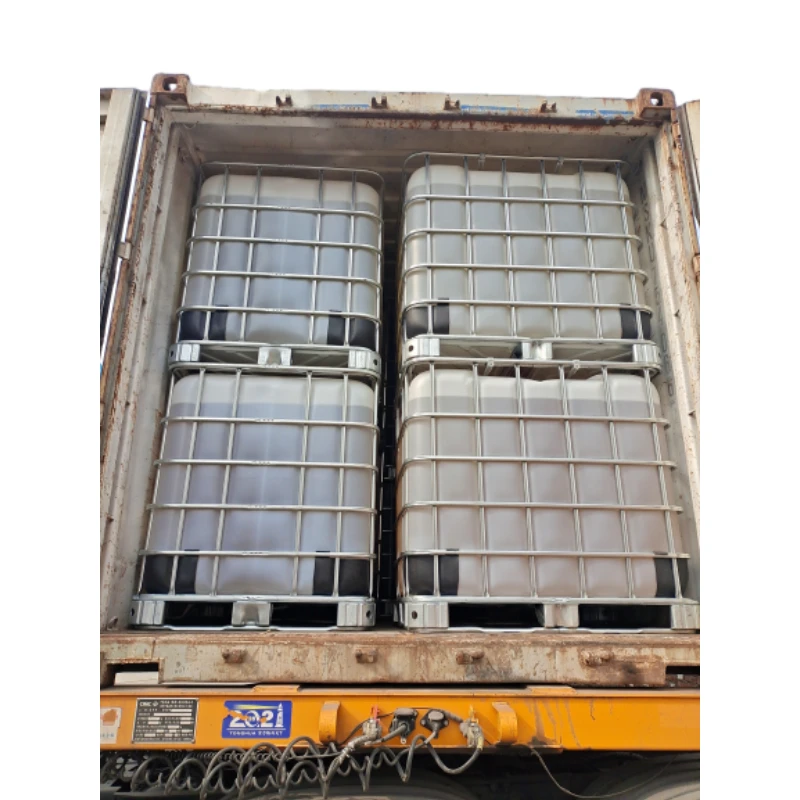
view more DiethanolisopropanolamineIn the ever-growing field of chemical solutions, diethanolisopropanolamine (DEIPA) stands out as a versatile and important compound. Due to its unique chemical structure and properties, DEIPA is of interest to various industries including construction, personal care, and agriculture. -
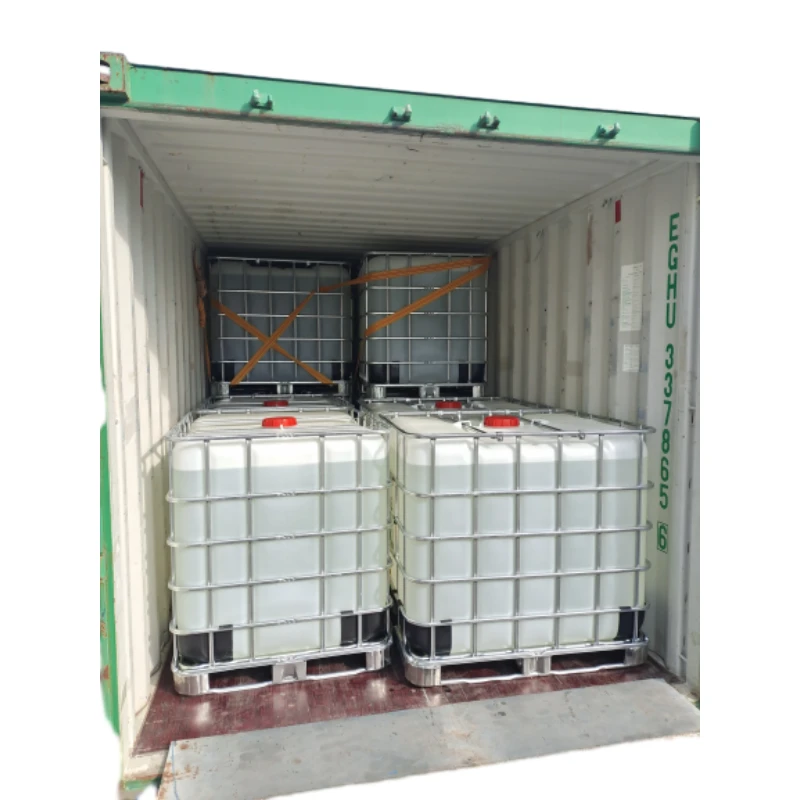
view more TriisopropanolamineTriisopropanolamine (TIPA) alkanol amine substance, is a kind of alcohol amine compound with amino and alcohol hydroxyl, and because of its molecules contains both amino and hydroxyl. -
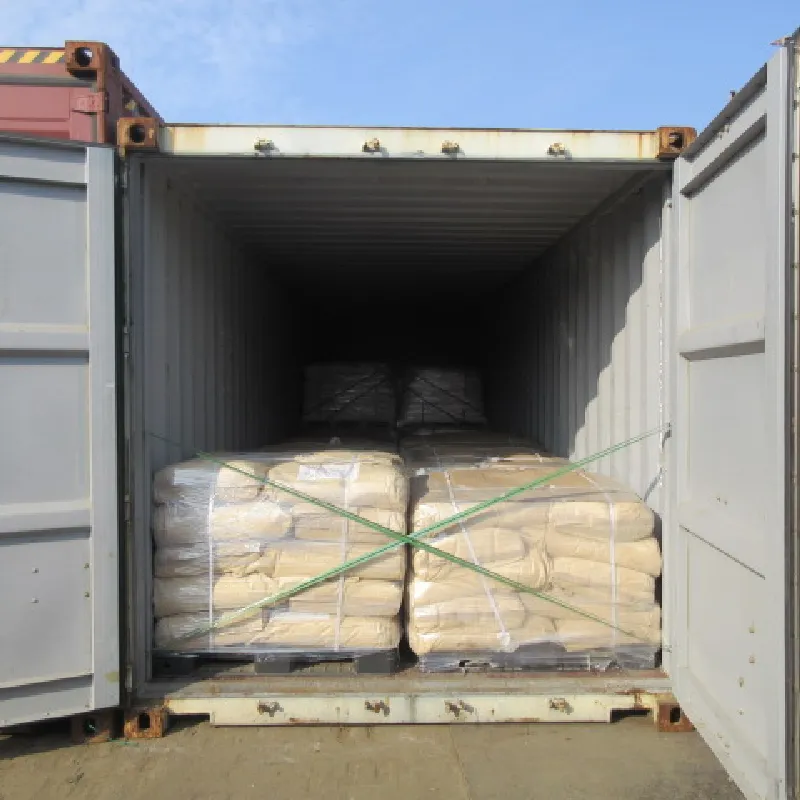
view more Tetramethyl Thiuram DisulfideTetramethyl thiuram disulfide, also known as TMTD, is a white to light-yellow powder with a distinct sulfur-like odor. It is soluble in organic solvents such as benzene, acetone, and ethyl acetate, making it highly versatile for use in different formulations. TMTD is known for its excellent vulcanization acceleration properties, which makes it a key ingredient in the production of rubber products. Additionally, it acts as an effective fungicide and bactericide, making it valuable in agricultural applications. Its high purity and stability ensure consistent performance, making it a preferred choice for manufacturers across various industries.