





Acidity Regulator INS 330 Explained: Uses, Benefits & Suppliers | Tenger Chemical
Understanding Acidity Regulator INS 330: Why It’s More Relevant Than You Think
In today’s food industry—and frankly, in a ton of other sectors—acidity regulator INS 330 is kind of a big deal. It plays a quiet but crucial role in maintaining quality, taste, and safety. What might strike you as just a chemical code actually connects globally to how food is preserved, flavors are stabilized, and supply chains operate smoothly. And with rising attention to food safety standards worldwide, understanding acidity regulator INS 330 means understanding a foundation for trust and innovation in how we produce and consume. So, what is this regulator really about, and why should we care beyond the supermarket shelves?
Global Context: The Big Picture of INS 330
According to the International Organization for Standardization (ISO), acidifying agents like INS 330 (which is just the code for citric acid) are globally recognized additives with food safety approvals stretching across continents. The UN's Food Systems Summit has also highlighted how safe preservatives contribute to reducing food waste.
Citric acid addresses a critical challenge: spoilage and inconsistency in food taste caused by pH imbalances. Globally, having reliable acidity regulators keeps foods fresh longer, helping with storage, transport, and ultimately sustainability. In emerging markets where refrigeration isn’t always guaranteed, INS 330 shines as a cost-effective and safe means to maintain food quality.
Defining Acidity Regulator INS 330
So, what exactly is acidity regulator INS 330? Simply put, it’s the food additive name for citric acid, a compound naturally found in citrus fruits like lemons and oranges.
It’s mainly used in the food industry to control the acidity or pH level of food items. This is important because the pH affects everything—from how long food lasts to how flavors develop or stay stable during processing and storage. Beyond food, citric acid is also found in pharmaceuticals, cosmetics, and even cleaning products, which shows its versatile nature.
In humanitarian aid or industrial contexts, controlling acidity can prevent food spoilage during transport across hot or unsuitable regions—a lifesaver when refrigerated transport isn’t an option.
Core Components You Should Know About
1. Natural Origins & Safety
Citric acid is derived both naturally (citrus fruits) and commercially through microbial fermentation. This dual source gives manufacturers flexibility. The safety profile is strong—INS 330 is GRAS (“Generally Recognized As Safe”) by authorities like the US FDA and the European Food Safety Authority (EFSA).
2. Versatility Across Food Types
You’ll find acidity regulator INS 330 in soft drinks, jams, canned vegetables, dairy products, and even wine. Its ability to stabilize and enhance taste makes it indispensable.
3. pH Control Efficiency
Citric acid can finely tune acidity levels even in complex formulas. This precision helps maintain uniform flavor and texture, which consumers expect.
4. Cost-Effectiveness
Compared to other regulators, INS 330 is relatively inexpensive. That keeps costs down for producers and eventually consumers—pretty important in lower-income markets.
5. Environmental Footprint
Modern production emphasizes sustainable fermentation techniques, reducing reliance on chemical synthesis and minimizing environmental impact.
Global Applications & Use Cases: Where INS 330 Makes Its Mark
INS 330’s practical applications are staggering. In the food industry, it’s a staple in regions from North America to Southeast Asia, integral in producing beverages, canned goods, and even baby foods. For example, in tropical climates where refrigeration can be spotty, citric acid helps extend shelf life, reducing spoilage and increasing food safety.
Beyond everyday foods, it plays a part in pharmaceuticals by stabilizing vitamin supplements and syrups. In humanitarian relief operations, acidity regulators prevent spoilage of excess food supplies. For NGOs distributing shelf-stable meals in remote areas, INS 330 is a silent but critical ingredient.
Oddly enough, even in cosmetics, controlling acidity helps improve product texture and safety. Industrial cleaning solutions use it to remove limescale due to its mild acidity without harsh chemicals.
Specification Table: Typical Acidity Regulator INS 330 (Citric Acid)
| Specification | Typical Value | Unit |
|---|---|---|
| Form | Crystalline powder | - |
| Purity | ≥ 99.5% | % |
| pH (5% aqueous solution) | 2.2 – 2.4 | - |
| Melting point | 153 °C (decomposes) | °C |
| Solubility in water | ~591 g/L at 20 °C | g/L |
Advantages & Long-Term Value
Citric acid's benefits extend beyond the obvious flavor-enhancing qualities. Here’s a quick rundown of why it's trusted worldwide:
- Cost Efficiency: Low cost means wide accessibility, especially in developing regions.
- Safety: Recognized as safe, minimizing regulatory hurdles.
- Eco-consciousness: Renewable sources and biodegradable nature support sustainability.
- Reliability: Consistent pH control reduces product variability.
- Social Impact: Extending shelf life helps reduce food waste and supports food security.
On a personal note, I find it fascinating how something as simple as citric acid quietly supports millions' day-to-day lives. It’s a small thing that tangibly improves safety and quality — and that’s something we often overlook until it’s missing.
Vendor Comparison Table: Leading INS 330 Sources
| Vendor | Source Type | Purity (%) | Sustainability | Region |
|---|---|---|---|---|
| Tenger Chemical | Microbial fermentation | ≥ 99.5 | Certified green processes | Asia |
| Global Citric Inc. | Citrus extraction | ≥ 99.0 | Traditional farming methods | Europe |
| PureAcid Ltd. | Fermentation + purification | ≥ 99.7 | Low carbon footprint | North America |
Looking Ahead: Trends and Innovations in Acidity Regulation
The journey of citric acid production and its applications isn’t standing still. Innovations include improved fermentation strains that boost yield while reducing energy consumption, which is a win-win environmentally and economically.
Digitization plays a part too—automation in quality testing means that acidity regulation can be monitored in real time during food processing, paving the way for smarter, leaner factories.
Additionally, growing consumer demand for “clean labels” and natural ingredients boosts interest in using natural acidity regulators versus synthetic ones, adding a marketing edge to INS 330’s natural origin.
Challenges & Solutions: Navigating the Practical Hurdles
Of course, no solution is perfect. One of the challenges with INS 330 is maintaining consistent quality across global suppliers, especially when raw material sources vary seasonally. It may sound trivial, but slight pH swings can affect flavor profiles badly.
Also, regulatory requirements differ across countries, making international food export complicated. Luckily, companies like Tenger Chemical are stepping up with transparent quality certifications and consistent supply chains, minimizing these risks.
Experts also suggest combining different additives smartly to compensate for acidity variations, which improves product stability without sacrificing safety.
FAQ: Frequently Asked Questions About Acidity Regulator INS 330
Q1: Is acidity regulator INS 330 safe to consume daily?
A1: Yes, INS 330 or citric acid is considered safe by major health authorities worldwide. It’s found naturally in many fruits and used in foods daily without adverse effects. However, excessive intake might cause mild tooth enamel erosion, so moderation is key.
Q2: How does citric acid improve food shelf life?
A2: Citric acid lowers the pH of food products, creating an acidic environment less hospitable to bacteria and fungi. This slows spoilage and helps maintain quality during storage and transportation, especially when refrigeration is limited.
Q3: Can INS 330 be used in organic foods?
A3: Generally, naturally derived citric acid can be approved for organic foods but synthetic sources may be restricted depending on certification bodies. It’s best to check with relevant organic standards for clarity.
Q4: Where can I buy high-quality acidity regulator INS 330?
A4: Reliable sources include certified chemical suppliers like Tenger Chemical who guarantee product purity, safety, and compliance with international standards.
Q5: Is INS 330 only used in food products?
A5: No, citric acid’s function as an acidity regulator extends to pharmaceuticals, cosmetics, cleaning agents, and industrial uses, highlighting its versatility beyond just food.
Conclusion: Why Acidity Regulator INS 330 Matters for Everyone
To wrap up, acidity regulator INS 330 is more than just a food additive code—it's a global linchpin in safety, sustainability, and product stability across industries. Its natural origins, broad applicability, and economic sense make it a trusted go-to for food producers and beyond. Whether you’re a manufacturer, an NGO, or a consumer curious about what goes into your products, INS 330 quietly ensures quality and trust.
For suppliers and industrial users, working with reputable vendors like Tenger Chemical ensures you get pure, reliable citric acid backed by green practices and international certification.
Understanding the role and benefits of acidity regulator INS 330 in today’s interconnected supply chains gives you a small but meaningful edge in making informed decisions—and that’s worth appreciating.
-
The Essential Guide to Sorbates as Food Preservatives for SafetyNewsApr.16,2026
-
The Ultimate Guide to Sorbate Preservative in Modern IndustryNewsApr.09,2026
-
Comprehensive Guide to Sodium Stearoyl Lactylate Emulsifier Applications and BenefitsNewsApr.07,2026
-
Comprehensive Guide to Sodium Cyclamate Sweetener Properties and ApplicationsNewsApr.04,2026
-
Comprehensive Guide to Sodium Citrate Food Additive and Its ApplicationsNewsMar.31,2026
-
Comprehensive Guide to Sodium Bicarbonate Food Additive Applications and BenefitsNewsMar.28,2026
-
Understanding Sodium Benzoate Preservative in Cosmetics and Its ApplicationsNewsMar.26,2026
Hebei Tenger Chemical Technology Co., Ltd. focuses on the chemical industry and is committed to the export service of chemical raw materials.
-
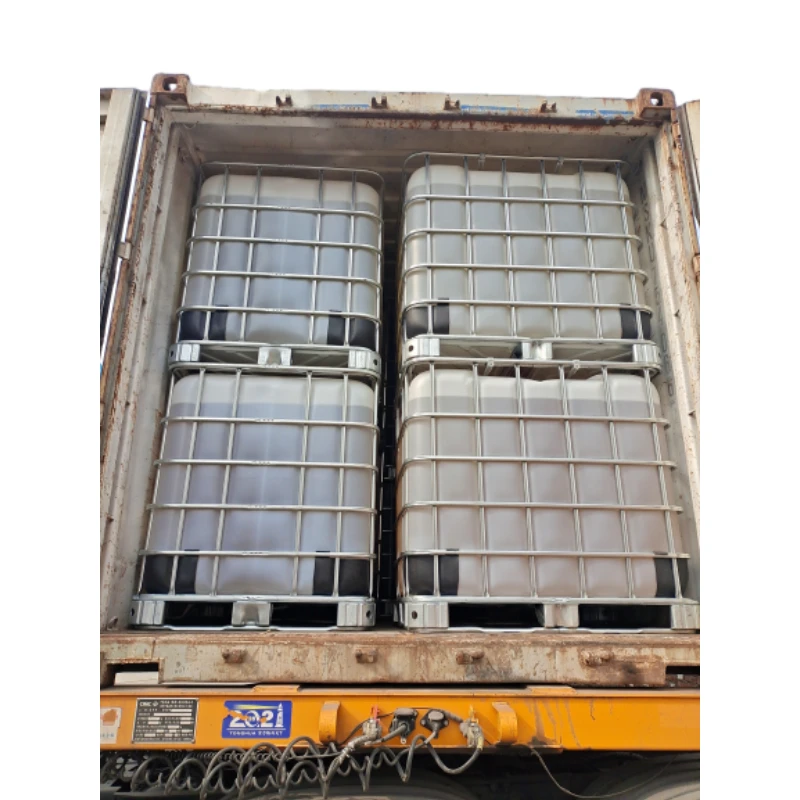
view more DiethanolisopropanolamineIn the ever-growing field of chemical solutions, diethanolisopropanolamine (DEIPA) stands out as a versatile and important compound. Due to its unique chemical structure and properties, DEIPA is of interest to various industries including construction, personal care, and agriculture. -
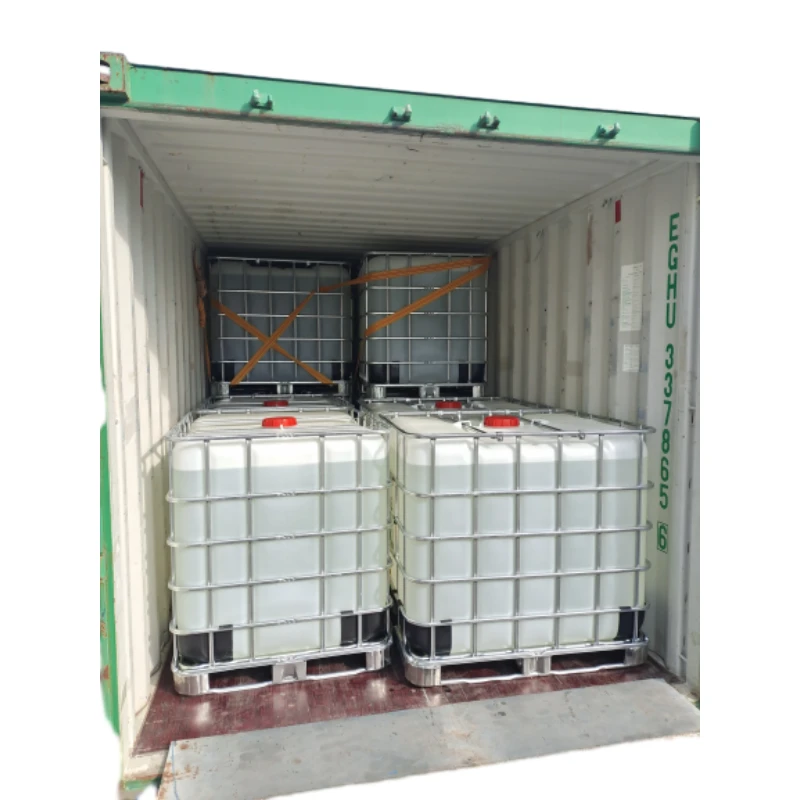
view more TriisopropanolamineTriisopropanolamine (TIPA) alkanol amine substance, is a kind of alcohol amine compound with amino and alcohol hydroxyl, and because of its molecules contains both amino and hydroxyl. -
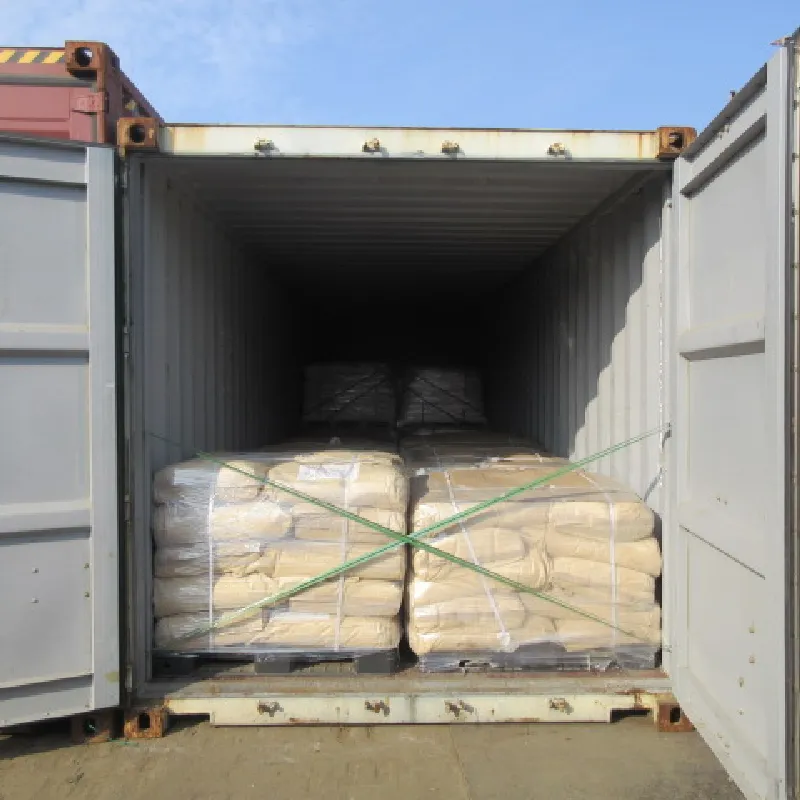
view more Tetramethyl Thiuram DisulfideTetramethyl thiuram disulfide, also known as TMTD, is a white to light-yellow powder with a distinct sulfur-like odor. It is soluble in organic solvents such as benzene, acetone, and ethyl acetate, making it highly versatile for use in different formulations. TMTD is known for its excellent vulcanization acceleration properties, which makes it a key ingredient in the production of rubber products. Additionally, it acts as an effective fungicide and bactericide, making it valuable in agricultural applications. Its high purity and stability ensure consistent performance, making it a preferred choice for manufacturers across various industries.