





Adding Preservatives Food Preservation: Benefits, Uses & Innovations
Understanding the Role of Adding Preservatives in Food Preservation
Food preservation techniques have been around for centuries, but in today's global food system, adding preservatives food preservation plays a crucial role in ensuring food safety, extending shelf life, and reducing waste. With a growing world population expected to reach nearly 10 billion by 2050 (UN stats), making food last longer without compromising quality is not just a convenience—it’s a necessity.
Preservatives act like little guardians, keeping your food safe from spoilage and harmful bacteria. Understanding how they work, where they’re most useful, and their benefits is essential for food manufacturers, regulators, and consumers alike.
Global Context: Why Adding Preservatives Food Preservation Matters Today
Across the globe, nearly one-third of all food produced goes to waste, according to the United Nations Environment Programme. The reasons are many—improper storage, microbial spoilage, and inefficient distribution channels among them. Here, adding preservatives food preservation comes in as a practical solution to combat spoilage over long supply chains, especially in regions where constant refrigeration isn’t guaranteed.
Moreover, in fast-growing urban centers, convenience stores and supermarkets rely heavily on preservatives to keep products safe for consumers. The World Bank estimates that developing countries could reduce food losses by up to 40% simply by improving preservation methods—again, this shines a light on the crucial role preservatives play globally.
Mini takeaway:
The future of food security is deeply tied to smart preservation, where adding preservatives is more than just extending shelf life—it’s about feeding billions safely and sustainably.
What Does Adding Preservatives Food Preservation Actually Mean?
In simple terms, adding preservatives food preservation is the process of incorporating natural or synthetic substances into food products to inhibit spoilage-causing microorganisms or slow chemical changes. This method is essential for maintaining food quality, flavor, texture, and nutritional value over time.
Think of preservatives as invisible helpers that prevent molds, bacteria, and yeasts from ruining your yogurt or bread. Without them, most packaged foods would have a significantly reduced time before becoming unsafe or unpleasant to eat.
While the concept seems straightforward, its application intersects with modern food manufacturing, public health policies, and even humanitarian aid—especially in situations where fresh food supply chains are unstable.
Core Components of Adding Preservatives Food Preservation
1. Durability — Extending Shelf Life
The primary goal is to make food edible and safe for longer periods. Preservatives like sorbic acid or sodium benzoate stabilize products against fungi and bacteria, allowing manufacturers and retailers to manage inventories more effectively.
2. Safety — Protecting Consumer Health
Not all preservatives are created equal. Regulatory bodies (FDA, EFSA) screen and approve ingredients to ensure they don't cause harm. For instance, natural preservatives such as vitamin C and certain essential oils provide alternatives to synthetic chemicals, appealing to clean-label trends.
3. Cost Efficiency — Saving Resources
Less spoilage means fewer losses and lower costs. For companies, cutting down waste translates into better margins. For consumers, it means safer food at attainable prices.
4. Scalability — From Small Batches to Mass Production
Adding preservatives must fit diverse production scales. Whether you’re a small artisanal bakery or a multinational snack producer, preservatives help maintain consistent quality.
5. Compatibility — Working With Different Food Types
Some preservatives are better suited for liquids, others for dry goods. Formulation scientists work closely with preservation technology to match ingredients with food types—whether fruit juices, dairy, or canned vegetables.
Mini takeaway:
Adding preservatives isn’t a one-size-fits-all. It’s about balancing safety, durability, cost, and product type to meet specific needs.
Real-World Applications: Where and How Preservatives Are Used
Preservatives are found in nearly every corner of the food supply chain worldwide. For instance:
- Post-disaster relief operations: Shelf-stable canned and powdered foods with preservatives provide vital nutrition when refrigeration is unavailable.
- Remote industrial zones: Workers in mining or oil extraction rely on preserved packaged foods shipped miles away from supply hubs.
- Global supermarkets: Ready-to-eat meals, beverages, and snack foods utilize preservatives to maintain freshness on crowded shelves.
- Local artisanal producers: Sometimes, natural preservatives are used to maintain traditional flavors while increasing storage time.
Interestingly, consumers in regions such as North America and Europe expect longer shelf life, while others prioritize natural and organic options, shaping how preservatives are used globally.
Product Specification Table: Common Preservatives in Food
| Preservative | Type | Typical Uses | Regulatory Status |
|---|---|---|---|
| Sodium Benzoate | Synthetic | Beverages, jams, sauces | FDA & EFSA Approved |
| Ascorbic Acid (Vitamin C) | Natural | Fruits, juices, meats | Generally Recognized as Safe (GRAS) |
| Potassium Sorbate | Synthetic | Dairy, baked goods, wine | FDA & EFSA Approved |
| Rosemary Extract | Natural | Meats, snacks | GRAS |
Advantages & Long-Term Value of Adding Preservatives
Adding preservatives food preservation brings tangible benefits that ripple through food chains:
- Cost savings: Less spoilage lowers operating and consumer losses.
- Food safety: Harmful pathogens are controlled, protecting public health.
- Reduced environmental impact: Extending shelf life means less food wasted—and less methane from landfills.
- Social impact: Reliable food access promotes dignity, especially in vulnerable communities.
- Innovation trust: New formulations inspire consumer confidence in product quality.
Frankly, knowing your food won’t spoil in 10 days instead of 3 changes consumer behavior in subtle ways—we buy less impulsively, and in bulk, save trips, and feel secure that family meals won’t go bad overnight.
Emerging Trends and Innovations in Food Preservation
What’s exciting, oddly enough, is how the field is shifting toward combining traditional preservatives with advanced tech:
- Natural preservatives and clean labels: Consumers want ingredients they recognize; plant-based extracts like rosemary and green tea polyphenols are winning favor.
- Smart packaging: Materials infused with antimicrobial agents are reducing reliance on chemical additives.
- Digital monitoring: IoT sensors track freshness in real time, optimizing when preservatives are added and ensuring quality.
- Sustainability drives: Companies innovate to minimize synthetic preservatives and match consumer environmental values.
It's kind of like preservation is becoming a science-meets-art process, balancing safety with sensory experience and sustainability goals.
Challenges and Solutions in Using Food Preservatives
Of course, there are concerns: consumer skepticism about artificial additives, possible allergies, and regulatory hurdles. Sometimes including preservatives can alter taste or texture unfavorably.
Experts suggest these approaches help:
- Educating consumers on the safety and necessity of preservatives backed by trusted credentials.
- Developing hybrid preservative blends—natural and synthetic—that optimize efficacy while minimizing additives.
- Innovating in non-thermal preservation methods like high-pressure processing, enabling reduced chemical use.
Because...food safety isn’t just about a chemical, it’s about trust, regulation, and a shared goal of feeding the world reliably.
FAQ: Common Questions About Adding Preservatives Food Preservation
- Q1: Are food preservatives safe for everyday consumption?
- A1: Yes, preservatives approved by bodies like the FDA and EFSA have been rigorously tested for safety when used in recommended amounts. They help prevent foodborne illnesses by controlling microbial growth.
- Q2: Can natural preservatives be as effective as synthetic ones?
- A2: Natural preservatives like vitamin C or rosemary extract are effective for many products but may have limitations in shelf life or cost. Sometimes, a blend of natural and synthetic preservatives delivers the best results.
- Q3: How do preservatives affect food taste and texture?
- A3: Some preservatives can influence flavor or texture if used improperly. However, optimized formulations and modern techniques help minimize any sensory changes, maintaining product quality.
- Q4: Is adding preservatives necessary for all food products?
- A4: Not always. Fresh, refrigerated, or quickly consumed items may not need preservatives. But for foods with longer storage or complex supply chains, preservatives are often essential to prevent spoilage.
- Q5: Can preservatives contribute to allergies or sensitivities?
- A5: Some individuals may be sensitive to specific preservatives, so labeling is important. Manufacturers often use alternatives or avoid certain preservatives in allergen-sensitive markets.
Vendor Comparison: Leading Preservative Suppliers
| Supplier | Product Range | Natural Options | Global Reach | Special Features |
|---|---|---|---|---|
| Tenger Chemical | Wide – synthetic & natural blends | Yes | Strong in Asia, growing in Europe | Custom formulations & consultancy |
| Global Preserves Inc. | Focus on synthetic preservatives | Limited | Worldwide | High-volume supply capacity |
| NatureGuard | Specializes in natural preservatives | Extensive | North America & Europe | Organic certified ingredients |
Wrapping It All Up
Adding preservatives food preservation is fundamental in securing the food we eat daily. It’s a complex blend of science, regulation, and innovation that helps keep our meals fresh, safe, and tasty. From the farm to the urban grocery aisle, preservatives reduce waste, protect health, and enable us to feed billions sustainably.
Curious to explore preservative solutions suitable for your products? Feel free to visit our website and discover how modern food preservation can work for you.
References
-
How to Choose Dimethyl Disulfide DMDS for Industrial UseNewsNov.09,2026
-
Aspartame Buyer FAQ: Sweetness, Specifications and ApplicationsNewsNov.02,2026
-
Aluminum Hydroxide FAQ: Specifications, Ordering and Support QuestionsNewsOct.28,2026
-
Improve Crop Yield with Premium Calcium Boron FertilizerNewsJul.01,2026
-
Ultimate Guide to Cal Mag Fertilizer for Boosting Plant HealthNewsJun.29,2026
-
Maximize Crop Recovery Using High Performance Bounce Back FertilizerNewsJun.27,2026
-
Maximize Crop Yields and Soil Health with Biozyme FertilizerNewsJun.26,2026
Hebei Tenger Chemical Technology Co., Ltd. focuses on the chemical industry and is committed to the export service of chemical raw materials.
-
view more Tplyltriazole(TTA)Tplyltriazole is a powerful and versatile corrosion inhibitor,it is a white particle or powder that is easily hygroscopic and can be processed into large, small, columnar, fine, or powdered shapes.It is a highly effective solution for preventing rust and corrosion on a variety of metal surfaces, making it an ideal choice for a wide range of applications. -
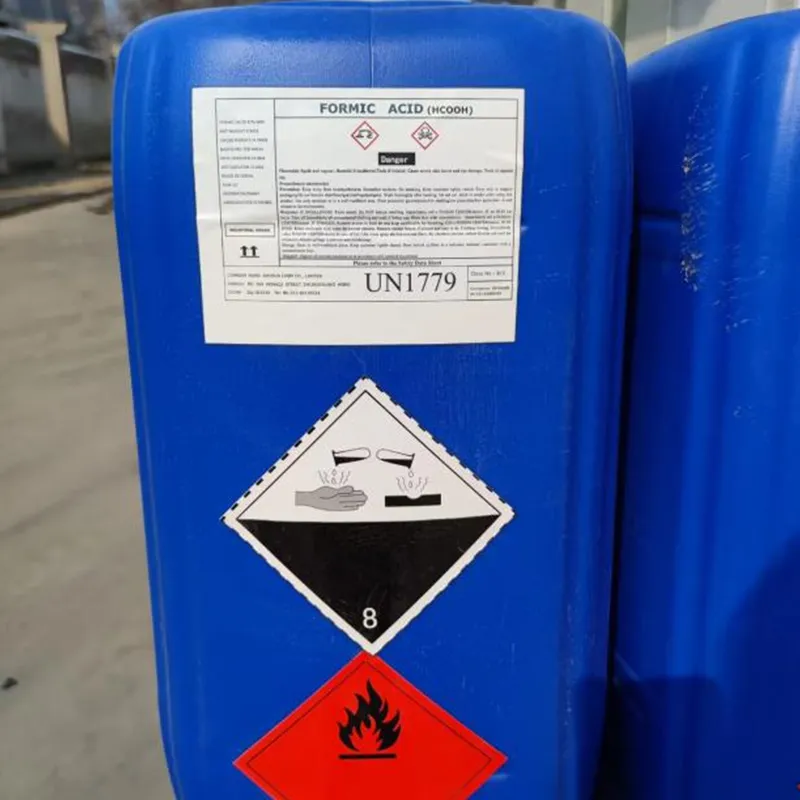
view more Formic AcidFormic acid, is a colorless, pungent-smelling liquid.With its unique properties and diverse applications that serves a wide range of industrial and commercial applications. -
view more Aluminum HydroxideAluminum Hydroxide, a versatile and essential product for a wide range of applications.This product is a white, amorphous powder that is insoluble in water and has a variety of uses in industries such as pharmaceuticals, cosmetics, and manufacturing.