





All You Need to Know About Ascorbic Acid Preservative – Benefits & Applications
Understanding Ascorbic Acid Preservative: Why It Matters Worldwide
Ascorbic acid preservative might sound like something you deal with only in a lab or a supermarket aisle, but the truth is, it's woven into many parts of our food systems and even industrial processes globally. At its core, this ingredient helps prevent spoilage and oxidation, ensuring products last longer and stay fresh. In today's world, where reducing food waste and enhancing shelf life are massive concerns, understanding the role of ascorbic acid preservative becomes crucial—not just for manufacturers but also for end consumers.
From food manufacturers in Asia feeding growing populations to humanitarian aid organizations shipping relief supplies to disaster zones, the preservative qualities of ascorbic acid influence countless lives. And while it’s celebrated for extending shelf stability, ascorbic acid also plays its part in maintaining nutritional quality, which is no small feat.
The Global Importance of Ascorbic Acid Preservative
The global food industry wastes roughly 30% of produce annually (source: FAO). Oxidation is a silent culprit behind much of this spoilage. Ascorbic acid preservative, chemically known as vitamin C, acts as an antioxidant, delaying this process and preserving product integrity. By extending freshness, producers reduce waste, and consumers enjoy better food quality.
In an age where international supply chains stretch from farm to fork across continents, effective preservation isn't just beneficial; it's essential. The World Bank notes that food losses disproportionately impact developing economies with fragile logistics, so interventions like ascorbic acid inclusion have both economic and humanitarian importance.
Still, the challenge lies in balancing efficacy, safety, and cost. While ascorbic acid seems ideal, industry professionals regularly grapple with selecting the right measures to maximize benefits without compromising sensory qualities or exceeding regulatory limits.
What Exactly Is Ascorbic Acid Preservative?
Simply put, ascorbic acid is a natural antioxidant often used as a preservative. It captures free radicals, slows oxidation, and ultimately helps maintain color, flavor, and nutritional content. It’s naturally found in citrus fruits, but industrial-grade ascorbic acid is synthesized for use in everything from processed foods and beverages to pharmaceuticals.
Besides its food applications, it also finds its place in cosmetics, pharmaceuticals, and even some industrial cleaning products, thanks to its non-toxic, biodegradable nature. The preservative qualities of ascorbic acid make it a versatile component in modern manufacturing and humanitarian supply efforts alike.
Mini Takeaway:
The magic of ascorbic acid preservative lies in its natural antioxidant power coupled with broad practical use, making it a staple for many industries aiming to fight spoilage and waste.
Key Attributes of Ascorbic Acid Preservative
1. Antioxidant Efficacy
Its primary appeal is the ability to scavenge oxygen radicals, which slows down the chemical reactions that cause degradation. For instance, in fruit juices or meat products, it helps maintain freshness by preventing browning and rancidity.
2. Safety and Biodegradability
Unlike many synthetic preservatives, ascorbic acid is recognized as safe by regulators worldwide, including the FDA and the European Food Safety Authority, and breaks down naturally without harmful residues.
3. Versatility
It dissolves well in water and fat, making it suitable for various product types, including beverages, canned goods, and even dry mixes.
4. Compatibility with Nutritional Goals
Being vitamin C, its addition can boost the nutritional profile of products, an attractive feature for health-conscious consumers.
5. Cost-Effectiveness
Though not the cheapest preservative outright, its effectiveness at low concentrations and natural sourcing often make it a cost-efficient choice for many manufacturers.
Mini Takeaway:
This combination of safety, effectiveness, and functionality explains why ascorbic acid remains a popular preservative in a crowded market.
Real-World Applications of Ascorbic Acid Preservative
Across the globe, industries and organizations harness ascorbic acid's preservative powers in different ways:
- Food & Beverage Sector: To maintain color and vitamin content in juices, canned fruits, cured meats, and bakery items.
- Pharmaceutical Industry: Protecting compounds sensitive to oxidation during shelf storage.
- Humanitarian Relief: In packaged food supplies sent to remote or disaster-stricken regions, where refrigeration may be limited.
- Cosmetics: Extending shelf life of creams and lotions without synthetic preservatives.
Consider a relief pack sent to a cyclone-hit area in South Asia—ascorbic acid preservative helps ensure the food remains nutritious and safe despite warm, humid transport conditions.
Mini Takeaway:
Its adaptability to differing environments and logistics makes ascorbic acid preservative a quiet workhorse behind many products we rely on daily.
Advantages & Lasting Benefits of Using Ascorbic Acid Preservative
Several benefits stand out:
- Enhanced Shelf Life: Reduces spoilage, which saves money and resources.
- Improved Consumer Safety: Limits harmful oxidation byproducts.
- Supports Sustainability: Less waste and natural origin align well with green initiatives.
- Trust & Brand Integrity: Cleaning up ingredient lists with recognizable, non-synthetic additives pleases modern consumers.
Emotionally, there's a reassurance in using something 'safe' and 'natural.' For producers, it means innovation without compromise.
Product Specification Table: Ascorbic Acid Preservative
| Specification | Typical Value | Units |
|---|---|---|
| Purity | 99.0% | wt% |
| Appearance | White crystalline powder | – |
| Solubility in water | 330 g/L at 20°C | g/L |
| pH (1% solution) | 2.2 – 2.5 | – |
| Moisture content | wt% | |
| Shelf life | 2 years (dry storage) | – |
Comparing Top Suppliers of Ascorbic Acid Preservatives
| Vendor | Purity (%) | Price (per kg) | Sustainable Sourcing | Global Reach |
|---|---|---|---|---|
| Tenger Chemical | 99.2% | $12.50 | Yes | Multi-continent |
| Global Ascorbates | 98.8% | $11.80 | Partial | Asia & Europe |
| PureVitamin Inc. | 99.0% | $13.00 | No | North America |
Looking Ahead: The Future of Ascorbic Acid Preservatives
Tech and sustainability trends are shaping how ascorbic acid preservative gets produced and applied. For instance, bioengineering approaches are tweaking production processes to maximize yield with less environmental impact. Additionally, as eco-conscious consumers push for cleaner labels, transparent sourcing and clear ingredient communication have become key themes.
Moreover, integrating ascorbic acid with novel packaging technologies—think edible films or controlled-release coatings—is opening new frontiers in preservation. It's a fascinating nexus of chemistry, material science, and consumer trends coming together.
Challenges & Solutions in Harnessing Ascorbic Acid Effectively
Of course, no solution is perfect. Ascorbic acid can degrade under improper storage, especially when exposed to heat and light. Its acidity may affect some sensitive products' taste profiles. Also, regulatory limits vary widely between countries, sometimes making international distribution tricky.
Experts recommend solutions like airtight packaging, temperature control during transport, and blending with complementary antioxidants or stabilizers to tackle these issues. Industry bodies continually update guidelines to balance safety with innovation, so keeping tabs on standards (such as ISO 22000) is vital.
Frequently Asked Questions About Ascorbic Acid Preservative
- How does ascorbic acid preservative extend food shelf life?
- By acting as an antioxidant, ascorbic acid slows oxidation reactions that cause spoilage, discoloration, and nutrient loss, thereby helping foods retain freshness for longer periods.
- Is ascorbic acid a natural or synthetic preservative?
- Ascorbic acid is chemically identical whether sourced naturally or synthesized industrially. Both are effective and safe when used within regulatory guidelines.
- Can ascorbic acid preservative affect flavor?
- At standard usage levels, it rarely alters flavor significantly, but high concentrations may add slight acidity, which formulators often balance with other ingredients.
- Is it safe for all types of foods and pharmaceuticals?
- Generally, yes. However, formulation testing is necessary to ensure compatibility and product stability in each application.
Conclusion: Why Ascorbic Acid Preservative Still Holds Its Ground
From what I’ve seen and heard, the humble ascorbic acid preservative is more than just a shelf life extender; it represents a bridge between science and sustainability. Its natural origins, effectiveness, and versatility mean it’s likely to remain a go-to solution in food preservation and beyond.
If you’re curious about sourcing quality ascorbic acid preservatives tailored to your needs, I’d recommend checking out ascorbic acid preservative suppliers like Tenger Chemical. They combine innovation with responsible sourcing, making them a reliable partner in this space.
References:
-
The Essential Guide to Sorbates as Food Preservatives for SafetyNewsApr.16,2026
-
The Ultimate Guide to Sorbate Preservative in Modern IndustryNewsApr.09,2026
-
Comprehensive Guide to Sodium Stearoyl Lactylate Emulsifier Applications and BenefitsNewsApr.07,2026
-
Comprehensive Guide to Sodium Cyclamate Sweetener Properties and ApplicationsNewsApr.04,2026
-
Comprehensive Guide to Sodium Citrate Food Additive and Its ApplicationsNewsMar.31,2026
-
Comprehensive Guide to Sodium Bicarbonate Food Additive Applications and BenefitsNewsMar.28,2026
-
Understanding Sodium Benzoate Preservative in Cosmetics and Its ApplicationsNewsMar.26,2026
Hebei Tenger Chemical Technology Co., Ltd. focuses on the chemical industry and is committed to the export service of chemical raw materials.
-
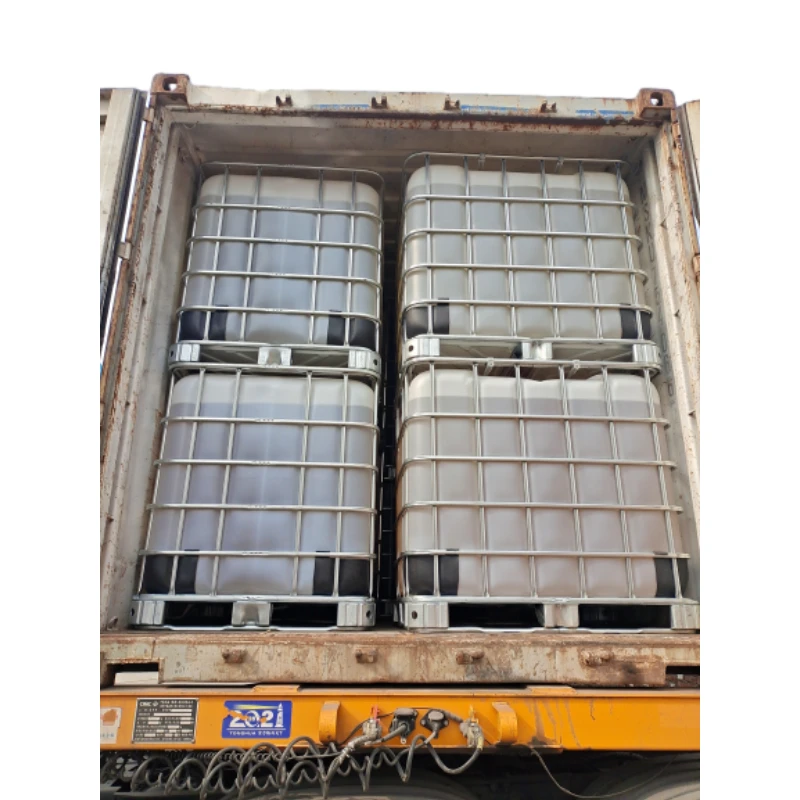
view more DiethanolisopropanolamineIn the ever-growing field of chemical solutions, diethanolisopropanolamine (DEIPA) stands out as a versatile and important compound. Due to its unique chemical structure and properties, DEIPA is of interest to various industries including construction, personal care, and agriculture. -
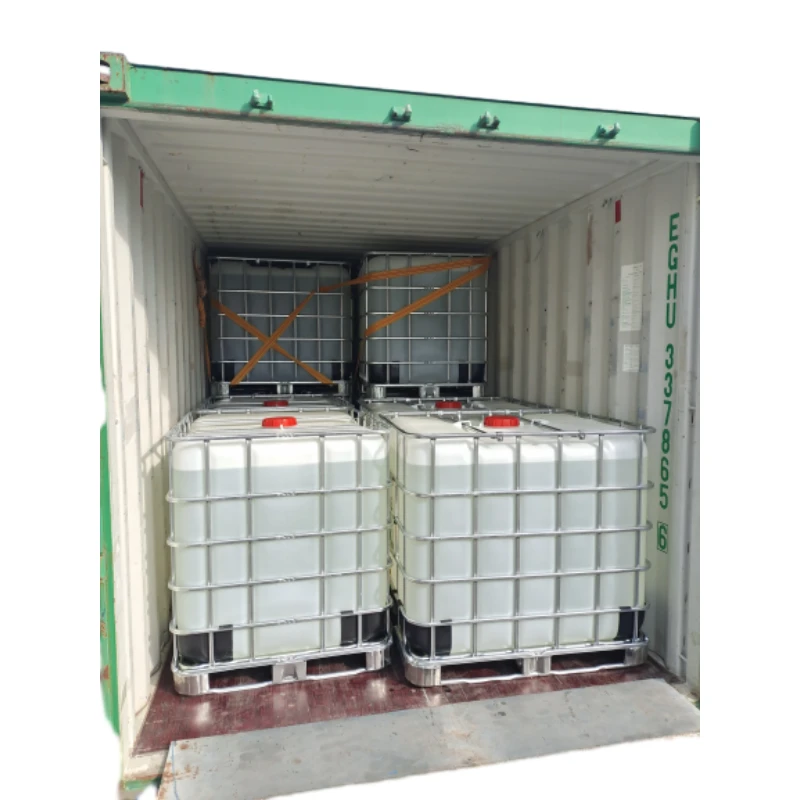
view more TriisopropanolamineTriisopropanolamine (TIPA) alkanol amine substance, is a kind of alcohol amine compound with amino and alcohol hydroxyl, and because of its molecules contains both amino and hydroxyl. -

view more Tetramethyl Thiuram DisulfideTetramethyl thiuram disulfide, also known as TMTD, is a white to light-yellow powder with a distinct sulfur-like odor. It is soluble in organic solvents such as benzene, acetone, and ethyl acetate, making it highly versatile for use in different formulations. TMTD is known for its excellent vulcanization acceleration properties, which makes it a key ingredient in the production of rubber products. Additionally, it acts as an effective fungicide and bactericide, making it valuable in agricultural applications. Its high purity and stability ensure consistent performance, making it a preferred choice for manufacturers across various industries.