





anti caking agent in food
Understanding Anti-Caking Agents in Food
In the realm of food production and preservation, maintaining the desired texture and quality of food products is paramount. One crucial component in achieving this is the use of anti-caking agents. These substances play a significant role in preventing the clumping of powdered or granulated food items, ensuring that they remain free-flowing and easy to use. This article explores what anti-caking agents are, how they work, their significance in the food industry, and concerns surrounding their use.
What Are Anti-Caking Agents?
Anti-caking agents are substances added to powdered or granulated materials to prevent the formation of lumps or cakes. Commonly found in products like salt, sugar, and spices, these agents work by absorbing moisture and creating a barrier between particles, thereby reducing stickiness. They are essential in ensuring that food products flow smoothly during processing, packaging, and storage. Without these agents, products can become hard and unmanageable, leading to waste and customer dissatisfaction.
How Do Anti-Caking Agents Work?
The primary mechanism by which anti-caking agents function is moisture control. When powdered substances come into contact with humidity, they can absorb moisture from the air, causing particles to stick together. Anti-caking agents mitigate this by either
1. Absorbing Moisture Some agents have hygroscopic properties that draw moisture away from food particles, preventing clumping. 2. Creating Barriers Other agents may form a thin coating around particles, reducing the interaction between them and thereby minimizing the likelihood of aggregation.
3. Increasing Particle Size Certain anti-caking agents may alter the physical structure of the powder, making it more resistant to clumping.
Common examples of anti-caking agents include calcium silicate, silicon dioxide, and magnesium carbonate. These compounds are selected based on their efficacy, safety, and the specific requirements of different food products.
The Importance of Anti-Caking Agents
anti caking agent in food
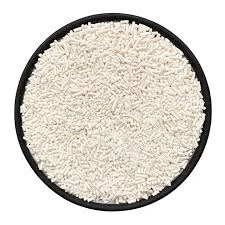
The significance of anti-caking agents in the food industry cannot be overstated. They enhance the quality and usability of various products. For example
- Spices and Seasonings Ground spices are highly prone to clumping. Anti-caking agents keep them free-flowing, ensuring that consumers can easily shake or sprinkle them onto their food.
- Powdered Products Items like powdered milk, cocoa powder, and baking soda rely on anti-caking agents to maintain consistency and usability, preventing embarrassing clumps when used in recipes.
- Packaged Foods In bulk packaging, anti-caking agents ensure that consumers receive a uniform product without the frustration of hard lumps.
Moreover, the use of these agents can extend shelf life by preventing degradation of the product’s quality.
Health Concerns and Regulatory Aspects
While anti-caking agents are generally recognized as safe by food regulatory authorities like the U.S. Food and Drug Administration (FDA) and the European Food Safety Authority (EFSA), there are ongoing discussions about their potential health impacts. Some consumers are wary of additives in their food, preferring products that are free from artificial ingredients. Consequently, many manufacturers are exploring natural alternatives to traditional anti-caking agents.
Regulatory bodies maintain strict guidelines regarding the types and amounts of anti-caking agents that can be used in food products. It is essential for manufacturers to comply with these regulations to ensure consumer safety and maintain market access.
Conclusion
Anti-caking agents play a vital role in the food industry, enhancing quality and usability of powdered products while contributing to customer satisfaction. By preventing clumping, they ensure that spices, powdered ingredients, and other food items remain easy to use and maintain their integrity over time. As the food industry evolves, the focus on safety and health will likely drive further research into natural alternatives, ensuring that consumers can enjoy the same conveniences without compromising their health. Understanding these agents and their functions is essential for making informed choices in a constantly changing food landscape.
-
Aspartame Buyer FAQ: Sweetness, Specifications and ApplicationsNewsNov.02,2026
-
Aluminum Hydroxide FAQ: Specifications, Ordering and Support QuestionsNewsOct.28,2026
-
Improve Crop Yield with Premium Calcium Boron FertilizerNewsJul.01,2026
-
Ultimate Guide to Cal Mag Fertilizer for Boosting Plant HealthNewsJun.29,2026
-
Maximize Crop Recovery Using High Performance Bounce Back FertilizerNewsJun.27,2026
-
Maximize Crop Yields and Soil Health with Biozyme FertilizerNewsJun.26,2026
-
Sustainable Agriculture Guide using bio organic fertilizerNewsJun.25,2026
Hebei Tenger Chemical Technology Co., Ltd. focuses on the chemical industry and is committed to the export service of chemical raw materials.
-

view more Tplyltriazole(TTA)Tplyltriazole is a powerful and versatile corrosion inhibitor,it is a white particle or powder that is easily hygroscopic and can be processed into large, small, columnar, fine, or powdered shapes.It is a highly effective solution for preventing rust and corrosion on a variety of metal surfaces, making it an ideal choice for a wide range of applications. -

view more Formic AcidFormic acid, is a colorless, pungent-smelling liquid.With its unique properties and diverse applications that serves a wide range of industrial and commercial applications. -

view more Aluminum HydroxideAluminum Hydroxide, a versatile and essential product for a wide range of applications.This product is a white, amorphous powder that is insoluble in water and has a variety of uses in industries such as pharmaceuticals, cosmetics, and manufacturing.