





ascorbic acid preservative
The Role of Ascorbic Acid as a Preservative Benefits, Applications, and Considerations
Ascorbic acid, commonly known as vitamin C, is a naturally occurring compound that has garnered significant attention not only for its essential role in human health but also for its efficacy as a preservative in various food and cosmetic products. The dual functionality of ascorbic acid as a nutrient and a preservative makes it a valuable addition to many formulations.
Chemical Properties and Mechanism of Action
Ascorbic acid is a water-soluble vitamin that acts as a powerful antioxidant. Its antioxidant properties stem from its ability to donate electrons to free radicals, thereby neutralizing them. This action helps to prevent oxidative stress, a major contributor to the degradation of food products. By mitigating oxidation, ascorbic acid prolongs the shelf life of perishable items and maintains their quality. In addition to its role as an antioxidant, ascorbic acid can also chelate metals that catalyze oxidation reactions, further enhancing its preservative capabilities.
Applications in Food Preservation
In the food industry, ascorbic acid is widely used as a preservative due to its effectiveness in preventing the browning of fruits and vegetables, as well as in the preservation of meats and other perishable goods. When applied to cut fruits, for example, ascorbic acid slows down enzymatic browning, which can lead to undesirable flavors and nutrient loss. Moreover, it is frequently used in the preservation of canned and frozen products to maintain a vibrant color and nutritional value.
The FDA recognizes ascorbic acid as safe, and it is classified as Generally Recognized as Safe (GRAS). This designation allows food manufacturers to use ascorbic acid without the need for extensive pre-market approval, thereby promoting its widespread use in the industry.
Cosmetic Applications
ascorbic acid preservative
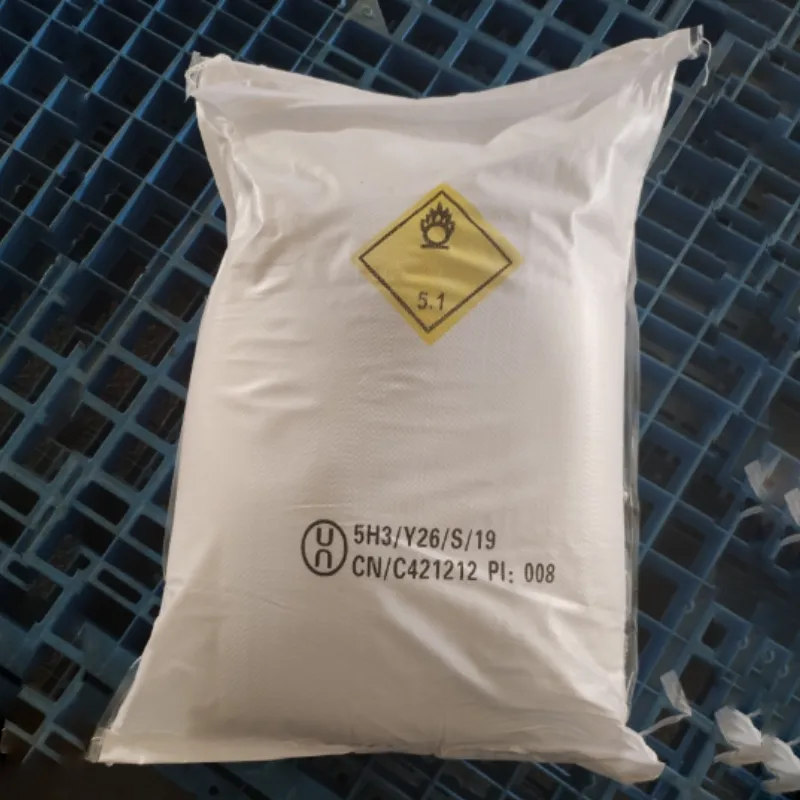
Beyond the food industry, ascorbic acid has found a place in the cosmetic sector. Its antioxidant properties help in protecting skin from oxidative damage caused by environmental stressors. As a preservative, it is often incorporated into skincare formulations to enhance the stability and longevity of products such as serums, creams, and lotions. Additionally, ascorbic acid has been shown to promote collagen synthesis, reducing the appearance of fine lines and wrinkles, which further increases its appeal in cosmetic formulations.
Health Benefits and Nutritional Importance
From a health perspective, ascorbic acid is crucial for various bodily functions. It plays a role in collagen synthesis, which is vital for skin, cartilage, and bone health. Furthermore, it is essential for the proper functioning of the immune system and the absorption of iron from plant-based foods. Given its nutritional importance, the inclusion of ascorbic acid as a preservative can also enhance the dietary value of processed foods.
Considerations and Limitations
Despite its numerous benefits, the use of ascorbic acid as a preservative has some limitations. Its effectiveness can be influenced by factors such as pH, temperature, and the presence of other ingredients in formulations. For instance, ascorbic acid is most effective in acidic environments, which may limit its application in certain food products. Additionally, in high concentrations, it can have a sour taste that may not be desirable in all products.
Moreover, while ascorbic acid is generally recognized as safe, some individuals may experience allergic reactions or sensitivities. Therefore, it is crucial for consumers to be aware of its presence in products, especially those that may be sensitive to additives.
Conclusion
Ascorbic acid serves as an essential component in both food and cosmetic industries, acting as a potent preservative and a valuable nutrient. Its multifunctional properties not only enhance the longevity and quality of products but also contribute positively to human health. As awareness of natural preservatives continues to grow, ascorbic acid is poised to maintain its significance in formulations aimed at preserving freshness while promoting wellness.
-
Aspartame Buyer FAQ: Sweetness, Specifications and ApplicationsNewsNov.02,2026
-
Aluminum Hydroxide FAQ: Specifications, Ordering and Support QuestionsNewsOct.28,2026
-
Improve Crop Yield with Premium Calcium Boron FertilizerNewsJul.01,2026
-
Ultimate Guide to Cal Mag Fertilizer for Boosting Plant HealthNewsJun.29,2026
-
Maximize Crop Recovery Using High Performance Bounce Back FertilizerNewsJun.27,2026
-
Maximize Crop Yields and Soil Health with Biozyme FertilizerNewsJun.26,2026
-
Sustainable Agriculture Guide using bio organic fertilizerNewsJun.25,2026
Hebei Tenger Chemical Technology Co., Ltd. focuses on the chemical industry and is committed to the export service of chemical raw materials.
-

view more Tplyltriazole(TTA)Tplyltriazole is a powerful and versatile corrosion inhibitor,it is a white particle or powder that is easily hygroscopic and can be processed into large, small, columnar, fine, or powdered shapes.It is a highly effective solution for preventing rust and corrosion on a variety of metal surfaces, making it an ideal choice for a wide range of applications. -

view more Formic AcidFormic acid, is a colorless, pungent-smelling liquid.With its unique properties and diverse applications that serves a wide range of industrial and commercial applications. -

view more Aluminum HydroxideAluminum Hydroxide, a versatile and essential product for a wide range of applications.This product is a white, amorphous powder that is insoluble in water and has a variety of uses in industries such as pharmaceuticals, cosmetics, and manufacturing.