TEL: 0086-311-88862036






Feb . 18, 2025 02:04
Back to list
Aspartame
The controversy surrounding aspartame, a widely used artificial sweetener, has sparked a significant debate about its safety. As consumers become more health-conscious, understanding the potential dangers of aspartame is crucial. Aspartame, discovered in 1965, is around 200 times sweeter than sucrose, making it a popular choice for diet sodas, sugar-free gum, and low-calorie desserts. However, its usage has been scrutinized, with ongoing discussions about its health implications.
Empirical studies have provided insights into the safety of aspartame. A comprehensive review published in 2007 analyzed multiple studies and found no consistent evidence linking aspartame consumption to cancer or tumors in humans. Furthermore, research has shown that it does not affect blood sugar or insulin levels, showcasing its potential benefits for individuals managing diabetes. While scientific evidence supports the safety of aspartame in moderate amounts, the increase in consumer advocacy for natural products shifts perspectives. As part of this trend, experts advocate for moderation and transparency. Companies have responded to consumer demand by formulating products with alternative sweeteners, such as stevia or monk fruit extract, which are perceived as more natural. These alternatives provide fewer concerns about metabolic byproducts, appealing to consumers seeking naturally derived products. Consumer experiences add another dimension to the aspartame safety narrative. People who report adverse reactions—such as headaches, dizziness, or mood changes—urge further exploration into the psychological impact of aspartame consumption. These anecdotal reports, while not scientifically confirmed, underscore the complexities of dietary sensitivities. Ensuring that consumers have access to diverse product options allows them to make informed choices based on personal health experiences. In conclusion, while the scientific consensus deems aspartame safe when consumed within acceptable daily intake limits, ongoing research and transparent consumer information remain vital. Experts emphasize the importance of personalized nutrition, urging consumers to consider individual health conditions, such as PKU, and personal experience when choosing sweeteners. As the market adapts to health trends, the responsibility lies in maintaining rigorous safety standards, offering clear product labeling, and supporting research that continues to scrutinize and validate the safety of artificial sweeteners in our diets.
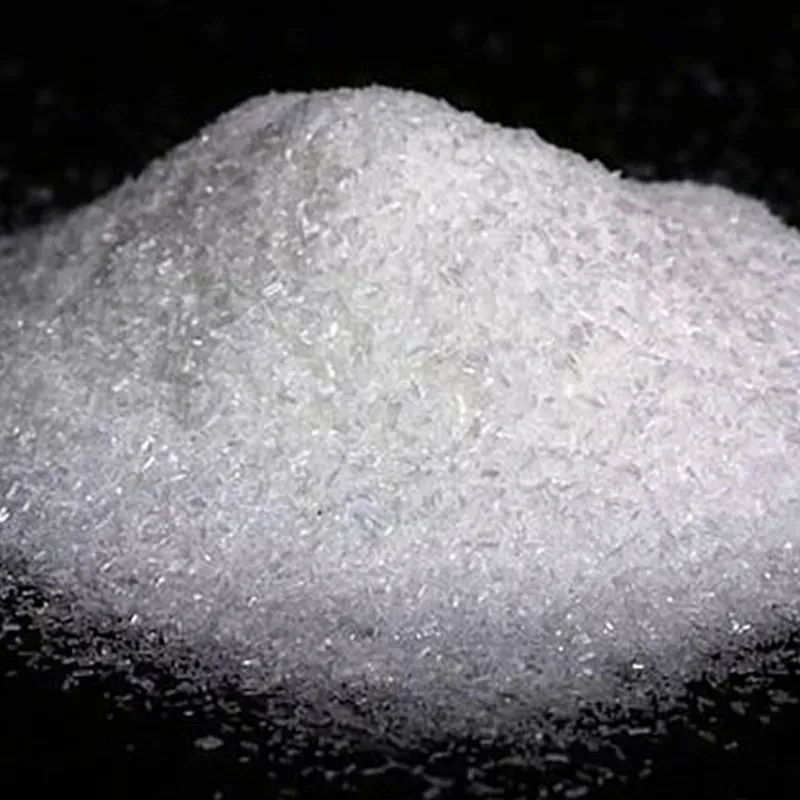

Empirical studies have provided insights into the safety of aspartame. A comprehensive review published in 2007 analyzed multiple studies and found no consistent evidence linking aspartame consumption to cancer or tumors in humans. Furthermore, research has shown that it does not affect blood sugar or insulin levels, showcasing its potential benefits for individuals managing diabetes. While scientific evidence supports the safety of aspartame in moderate amounts, the increase in consumer advocacy for natural products shifts perspectives. As part of this trend, experts advocate for moderation and transparency. Companies have responded to consumer demand by formulating products with alternative sweeteners, such as stevia or monk fruit extract, which are perceived as more natural. These alternatives provide fewer concerns about metabolic byproducts, appealing to consumers seeking naturally derived products. Consumer experiences add another dimension to the aspartame safety narrative. People who report adverse reactions—such as headaches, dizziness, or mood changes—urge further exploration into the psychological impact of aspartame consumption. These anecdotal reports, while not scientifically confirmed, underscore the complexities of dietary sensitivities. Ensuring that consumers have access to diverse product options allows them to make informed choices based on personal health experiences. In conclusion, while the scientific consensus deems aspartame safe when consumed within acceptable daily intake limits, ongoing research and transparent consumer information remain vital. Experts emphasize the importance of personalized nutrition, urging consumers to consider individual health conditions, such as PKU, and personal experience when choosing sweeteners. As the market adapts to health trends, the responsibility lies in maintaining rigorous safety standards, offering clear product labeling, and supporting research that continues to scrutinize and validate the safety of artificial sweeteners in our diets.
Next:
Latest news
-
Improve Crop Yield with Premium Calcium Boron FertilizerNewsJul.01,2026
-
Ultimate Guide to Cal Mag Fertilizer for Boosting Plant HealthNewsJun.29,2026
-
Maximize Crop Recovery Using High Performance Bounce Back FertilizerNewsJun.27,2026
-
Maximize Crop Yields and Soil Health with Biozyme FertilizerNewsJun.26,2026
-
Sustainable Agriculture Guide using bio organic fertilizerNewsJun.25,2026
-
Essential Guide to Sulfite Preservative Applications and BenefitsNewsJun.23,2026
-
Understanding Sugar Additives for Food Flavor and StabilityNewsJun.21,2026
HOT PRODUCTS
Hebei Tenger Chemical Technology Co., Ltd. focuses on the chemical industry and is committed to the export service of chemical raw materials.
-

view more Tplyltriazole(TTA)Tplyltriazole is a powerful and versatile corrosion inhibitor,it is a white particle or powder that is easily hygroscopic and can be processed into large, small, columnar, fine, or powdered shapes.It is a highly effective solution for preventing rust and corrosion on a variety of metal surfaces, making it an ideal choice for a wide range of applications. -

view more Formic AcidFormic acid, is a colorless, pungent-smelling liquid.With its unique properties and diverse applications that serves a wide range of industrial and commercial applications. -

view more Aluminum HydroxideAluminum Hydroxide, a versatile and essential product for a wide range of applications.This product is a white, amorphous powder that is insoluble in water and has a variety of uses in industries such as pharmaceuticals, cosmetics, and manufacturing.