TEL: 0086-311-88862036






Feb . 18, 2025 08:47
Back to list
aspartame
Unlocking the secrets of the aspartame production process not only offers a glimpse into the intricate world of artificial sweeteners but also highlights the expertise and scientific authority driving this industry. Aspartame, a non-nutritive sweetener, is widely used in food and beverage manufacturing, offering a sweet taste without the calories of sugar. As with any complex process, the production of aspartame demands high levels of precision and expertise to ensure its quality and safety.
What further instills confidence in this process is the rigorous safety and quality assessments aspartame undergoes before reaching the market. Comprehensive testing conducted by authoritative bodies, including the Food and Drug Administration (FDA) and the European Food Safety Authority (EFSA), ensures that the product is safe for consumption. Their continuous evaluation of scientific data surrounding aspartame’s safety reflects the trustworthiness and credibility of the process. The industry's authority in producing aspartame isn't just about the chemistry; it also extends to sustainable practices. Manufacturers strive to reduce the environmental impact of production by optimizing energy use and minimizing waste. Adopting innovative technologies such as process intensification and recycling of solvents enhances sustainability, reflecting an ethical commitment to responsible production. Behind every sweetened product that uses aspartame is a team of dedicated experts, including chemists, biotechnologists, and regulatory specialists, all working in concert to maintain the highest standards of quality and safety. Their combined expertise ensures not only the delivery of a consistent product but also the trust of consumers in the end product's safety. In conclusion, the aspartame production process exemplifies a synergy of scientific expertise and authoritative practices. It underscores a commitment to delivering a product that is not only sweet but also safe and sustainable, backed by a wealth of professional expertise and empirical data. For consumers and manufacturers alike, understanding this process fosters confidence and underscores the unparalleled standards that govern the production of aspartame, ensuring it remains a trusted segment of the food and beverage industry.
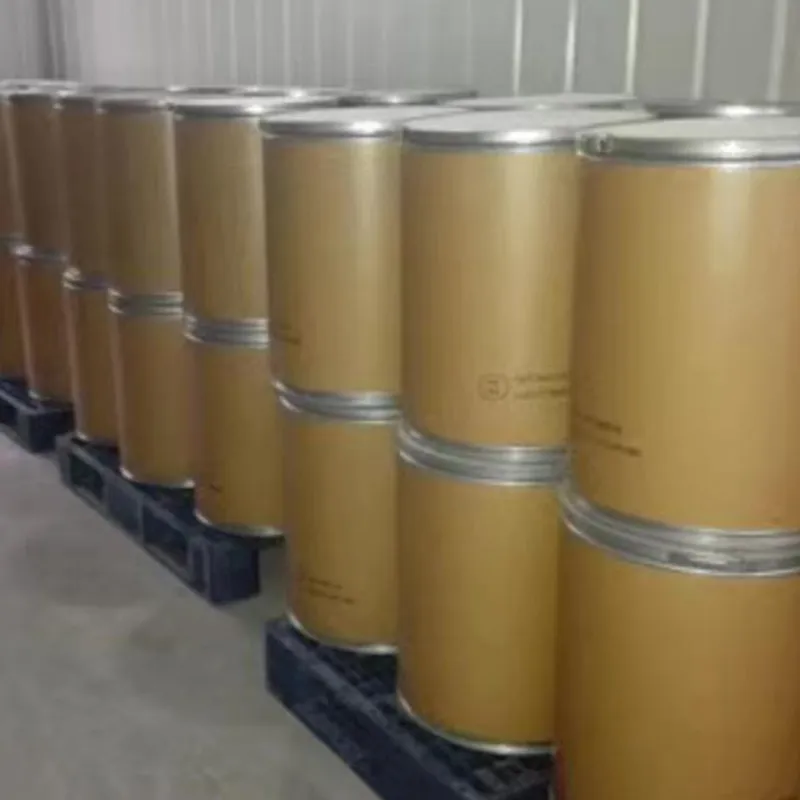

What further instills confidence in this process is the rigorous safety and quality assessments aspartame undergoes before reaching the market. Comprehensive testing conducted by authoritative bodies, including the Food and Drug Administration (FDA) and the European Food Safety Authority (EFSA), ensures that the product is safe for consumption. Their continuous evaluation of scientific data surrounding aspartame’s safety reflects the trustworthiness and credibility of the process. The industry's authority in producing aspartame isn't just about the chemistry; it also extends to sustainable practices. Manufacturers strive to reduce the environmental impact of production by optimizing energy use and minimizing waste. Adopting innovative technologies such as process intensification and recycling of solvents enhances sustainability, reflecting an ethical commitment to responsible production. Behind every sweetened product that uses aspartame is a team of dedicated experts, including chemists, biotechnologists, and regulatory specialists, all working in concert to maintain the highest standards of quality and safety. Their combined expertise ensures not only the delivery of a consistent product but also the trust of consumers in the end product's safety. In conclusion, the aspartame production process exemplifies a synergy of scientific expertise and authoritative practices. It underscores a commitment to delivering a product that is not only sweet but also safe and sustainable, backed by a wealth of professional expertise and empirical data. For consumers and manufacturers alike, understanding this process fosters confidence and underscores the unparalleled standards that govern the production of aspartame, ensuring it remains a trusted segment of the food and beverage industry.
Next:
Latest news
-
Improve Crop Yield with Premium Calcium Boron FertilizerNewsJul.01,2026
-
Ultimate Guide to Cal Mag Fertilizer for Boosting Plant HealthNewsJun.29,2026
-
Maximize Crop Recovery Using High Performance Bounce Back FertilizerNewsJun.27,2026
-
Maximize Crop Yields and Soil Health with Biozyme FertilizerNewsJun.26,2026
-
Sustainable Agriculture Guide using bio organic fertilizerNewsJun.25,2026
-
Essential Guide to Sulfite Preservative Applications and BenefitsNewsJun.23,2026
-
Understanding Sugar Additives for Food Flavor and StabilityNewsJun.21,2026
HOT PRODUCTS
Hebei Tenger Chemical Technology Co., Ltd. focuses on the chemical industry and is committed to the export service of chemical raw materials.
-

view more Tplyltriazole(TTA)Tplyltriazole is a powerful and versatile corrosion inhibitor,it is a white particle or powder that is easily hygroscopic and can be processed into large, small, columnar, fine, or powdered shapes.It is a highly effective solution for preventing rust and corrosion on a variety of metal surfaces, making it an ideal choice for a wide range of applications. -

view more Formic AcidFormic acid, is a colorless, pungent-smelling liquid.With its unique properties and diverse applications that serves a wide range of industrial and commercial applications. -

view more Aluminum HydroxideAluminum Hydroxide, a versatile and essential product for a wide range of applications.This product is a white, amorphous powder that is insoluble in water and has a variety of uses in industries such as pharmaceuticals, cosmetics, and manufacturing.