





Exploring the Role of Preservatives in Baking for Enhanced Freshness and Shelf Life
Baking Preservatives Ensuring Freshness in Our Favorite Treats
In today's fast-paced world, baked goods are a staple in diets around the globe. From the humble loaf of bread to decadent cakes and pastries, these items not only provide sustenance but also bring joy and comfort. However, one significant challenge in the baking industry is maintaining the freshness and quality of products over time. This is where baking preservatives come into play.
Baking preservatives are substances added to baked goods to extend shelf life and maintain their texture, flavor, and overall appeal. They play a crucial role in preventing spoilage caused by microbial growth, oxidation, and moisture loss. While some consumers may have concerns about the safety and naturalness of preservatives, many of these additives are deemed safe and approved for use by food safety authorities.
One of the most common types of preservatives used in baking is sorbic acid, which is effective against yeasts and molds. Sorbic acid and its salts, such as potassium sorbate, are often found in products like cakes, muffins, and bread. They work by inhibiting the growth of spoilage organisms without significantly affecting the flavor of the baked goods.
Another widely used preservative is calcium propionate, which is particularly effective in bread and similar products. This compound not only prevents mold growth but also helps in the overall stabilization of the dough. This is essential for large-scale production, as it allows bakers to ensure consistent quality and freshness in their offerings.
baking preservatives
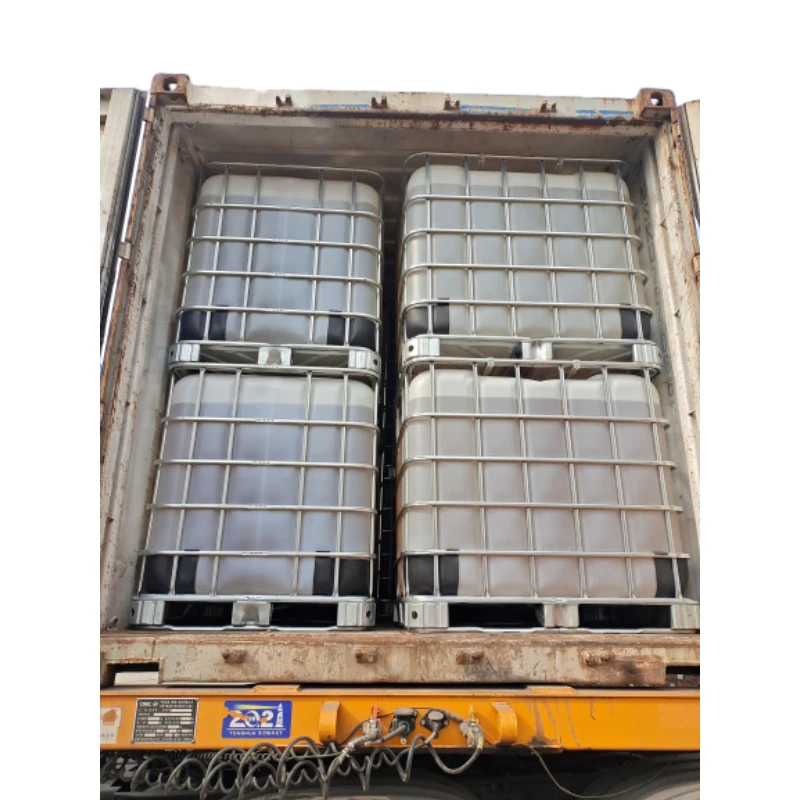
In addition to these chemical preservatives, there are also natural alternatives that have gained popularity in recent years. For instance, vinegar and certain essential oils, such as rosemary and clove, have shown antimicrobial properties. These natural preservatives appeal to health-conscious consumers looking for cleaner labels and more wholesome ingredients. As a result, many artisan bakers are exploring these options to create products that align with modern dietary preferences.
While the use of preservatives in baking is crucial for maintaining freshness, it is equally important for bakers to be transparent about the ingredients they use. Clear labeling helps consumers make informed choices about what they are consuming. Moreover, as the clean-label movement continues to grow, the demand for products with minimal additives is on the rise. This shift is prompting many bakers to innovate, seeking ways to extend shelf life without compromising on quality or flavor.
Preservatives also serve an essential role in reducing food waste. According to the Food and Agriculture Organization (FAO), approximately one-third of all food produced for human consumption is wasted. By improving the shelf life of baked goods, preservatives help ensure that these products can be enjoyed longer, thereby minimizing waste at both the consumer and retailer levels.
However, it is essential to approach the topic of preservatives with a balanced perspective. While they serve an important purpose in food safety and preservation, consumers should be encouraged to understand what they are consuming. Education about the types of preservatives used and their functions can help demystify the process and alleviate concerns. Baking enthusiasts and home bakers should also consider experimenting with different methods and ingredients when it comes to preservation. For example, freezing baked goods can be a safe and effective way to maintain freshness without the use of preservatives.
In summary, baking preservatives play a vital role in ensuring the longevity and quality of our cherished baked goods. As we continue to explore the intersection of food science and consumer preferences, the challenge remains to find the optimal balance between safety, quality, and transparency. Whether through traditional chemical preservatives or innovative natural alternatives, the goal remains the same to savor the deliciousness of baked treats while keeping them fresh and enjoyable for everyone. As our understanding of food preservation evolves, so will the products we create and consume, ensuring that the joy of baking continues for generations to come.
-
How to Choose Dimethyl Disulfide DMDS for Industrial UseNewsNov.09,2026
-
Aspartame Buyer FAQ: Sweetness, Specifications and ApplicationsNewsNov.02,2026
-
Aluminum Hydroxide FAQ: Specifications, Ordering and Support QuestionsNewsOct.28,2026
-
Improve Crop Yield with Premium Calcium Boron FertilizerNewsJul.01,2026
-
Ultimate Guide to Cal Mag Fertilizer for Boosting Plant HealthNewsJun.29,2026
-
Maximize Crop Recovery Using High Performance Bounce Back FertilizerNewsJun.27,2026
-
Maximize Crop Yields and Soil Health with Biozyme FertilizerNewsJun.26,2026
Hebei Tenger Chemical Technology Co., Ltd. focuses on the chemical industry and is committed to the export service of chemical raw materials.
-

view more Tplyltriazole(TTA)Tplyltriazole is a powerful and versatile corrosion inhibitor,it is a white particle or powder that is easily hygroscopic and can be processed into large, small, columnar, fine, or powdered shapes.It is a highly effective solution for preventing rust and corrosion on a variety of metal surfaces, making it an ideal choice for a wide range of applications. -

view more Formic AcidFormic acid, is a colorless, pungent-smelling liquid.With its unique properties and diverse applications that serves a wide range of industrial and commercial applications. -

view more Aluminum HydroxideAluminum Hydroxide, a versatile and essential product for a wide range of applications.This product is a white, amorphous powder that is insoluble in water and has a variety of uses in industries such as pharmaceuticals, cosmetics, and manufacturing.