





Caramel Color Food Additive: Global Uses, Benefits, and Innovations
Understanding Caramel Color Food Additive: Why It’s Vital Globally
Caramel color food additive might sound like just another industrial ingredient, but it’s actually everywhere—from the cola in your glass to the soy sauce in your stir-fry. It’s one of those quietly essential components that shape what we see, taste, and experience with food products worldwide. Why does it matter globally? Because caramel color food additive touches billions of lives daily, enhancing product appeal and ensuring consistency in food and beverages. Beyond aesthetics, it supports industries worth billions, from soft drinks in the Americas to sauces in Asia. Frankly, understanding this additive helps us appreciate the complexity behind something as seemingly simple as “color.”
Let’s explore what caramel color food additive really means, how it functions in the context of global food industries, and why its applications and sustainability continue to evolve.
Global Context: The Food Industry’s Unsung Hero
Caramel color is the most widely used food colorant worldwide—estimated to account for nearly 40% of all color additives by weight according to Wikipedia. It’s produced by heat-treating carbohydrates, like sugar, often in the presence of acids or alkalis. The International Organization for Standardization (ISO) defines strict criteria on its purity and consistency. Globally, billions of kilograms are manufactured per year to meet demands from beverages to baked goods.
Yet, the challenge isn’t just producing caramel color—it’s making sure it’s safe, sustainable, and adaptable to various dietary laws and regulations worldwide. As markets increasingly demand natural and “clean label” additives, caramel color producers have had to innovate, balancing tradition with modern sustainability imperatives.
What Is Caramel Color Food Additive?
Put simply, caramel color food additive is a water-soluble coloring agent created by controlled heating of sugar sources, sometimes modified with chemical reagents to create different types. It adds rich browns and ambers to foods and drinks without significantly altering flavor or aroma.
While its primary function is visual—giving familiar golden hues to colas, sauces, and bread crusts—it also plays a crucial role in consumer expectations and brand consistency. The modern food industry wouldn’t work quite the same without it.
Core Components and Factors of Caramel Coloring
- Types and Classifications: There are four main types (Class I to IV), differentiated by reactants used and regulatory approvals. Class III and IV are most common in beverages because of superior stability.
- Durability and Stability: Caramel color withstands heat, light, and pH changes—critical for processed foods that go through pasteurization or long shelf lives.
- Cost Efficiency: It’s cost-effective compared to many natural colorants, making it ideal for large-scale manufacturing.
- Regulatory Compliance: It complies with global food safety standards, including FDA, EFSA, and JECFA guidelines, ensuring trustable use worldwide.
- Scalability: Caramel color production is highly scalable due to its relatively simple manufacturing process, supporting enormous international demand.
These factors together ensure caramel color’s relevance to manufacturers aiming to maintain product quality and consumer appeal at reasonable costs.
Mini Takeaway:
Caramel color food additive is a versatile, cost-effective, and globally compliant solution that helps food producers maintain consistent and appealing products.
Global Applications & Use Cases
This additive’s footprint spans continents and sectors:
- Beverage Industry: Soft drinks, beers, and energy drinks heavily rely on caramel color to achieve their signature look.
- Sauces & Dressings: Soy sauces, barbecue sauces, and gravies use caramel color for depth and appeal.
- Baking & Confectionery: It enhances visual warmth, especially in items like caramel-flavored cakes and browning bread crusts.
- Pharmaceuticals & Cosmetics: Oddly enough, certain medications and cosmetics use caramel color for consistent coloring.
In regions such as North America, Asia-Pacific, and Europe, the demand is driven by consumer preference and industrial scale alike. In post-disaster relief camps, for instance, durable, shelf-stable food products colored appropriately play a role in meal acceptance and nutrition.
Product Spec Table: Typical Caramel Color Grades
| Property | Class III | Class IV |
|---|---|---|
| Production Method | Ammonia process | Sulfite-ammonia process |
| Appearance | Dark brown liquid | Dark brown liquid |
| Solubility | Highly soluble in water | Highly soluble in water |
| Typical Use | Beverages, baked goods | Soft drinks, sauces |
Advantages and Long-Term Value
Caramel color food additive stands out for several reasons beyond just imparting color. Cost-wise, it’s incredibly efficient, allowing manufacturers to provide visually consistent products without breaking budgets. Reliability is another key—its stability across processing and shelf-life conditions means fewer production flaws.
From a sustainability viewpoint, many producers now focus on using renewable carbohydrate sources or optimizing energy efficiency during production. This shift corresponds with broader environmental goals many food companies pursue.
On a more human note, caramel color helps provide the familiar, comforting appearance consumers associate with quality and safety. That connection builds trust and brand loyalty. So yes, it’s important for innovation — but also for a sense of everyday reliability in products millions buy.
Innovations & Future Trends
The future of caramel color food additive is closely linked with cleaner, greener production processes. There’s growing interest in enzymatic or bio-catalytic methods that could replace or supplement traditional high-heat treatments. Advances in digital color measurement and control technologies are helping manufacturers maintain consistency better than ever.
Policy-wise, tighter regulations on contaminants or by-products push industry players to innovate or reformulate. Plus, the consumer-driven "clean label" trend encourages more natural and minimally processed colorants—so caramel color producers also explore hybrids or blends with natural sources.
Challenges & How the Industry Responds
Despite its widespread use, caramel color isn’t free from issues. Some concerns have arisen over 4-MEI (4-methylimidazole), a byproduct in some caramel colors linked to potential health risks. This has prompted regulatory reviews, especially by the FDA and European authorities.
Producers have responded by reformulating their processes, adopting testing protocols, and providing clearer safety data. Transparency and compliance have become central to maintaining consumer trust.
Vendor Comparison Table
| Vendor | Color Intensity | 4-MEI Content | Certifications | Price Range |
|---|---|---|---|---|
| Tenger Chemical | High | Low / Tested | FDA, ISO | Moderate |
| Vendor B | Medium | Medium | FDA | Low |
| Vendor C | High | Unspecified | ISO only | High |
FAQ About Caramel Color Food Additive
- Q: Is caramel color food additive safe for all age groups?
- A: When produced and used within regulated limits, caramel color is generally recognized as safe (GRAS) by major food safety agencies, suitable for all age groups. However, some individuals may prefer low 4-MEI options to minimize exposure to potential contaminants.
- Q: Can caramel color trigger allergies or intolerances?
- A: Caramel color is typically free from major allergens such as gluten, nuts, and dairy. It’s chemically produced from carbohydrates, making allergic reactions quite rare. Still, always check product details if food allergies are a concern.
- Q: How does caramel color affect the taste of food products?
- A: It has minimal impact on flavor, designed to provide color without altering taste or aroma. This neutrality makes it preferable for coloring a wide range of products.
- Q: Are caramel colors vegan and kosher?
- A: Most caramel colors are vegan-friendly as they are derived from sugars and chemical processes without animal products. Kosher certification varies by vendor, so it’s best to verify specific certifications from suppliers like Tenger Chemical.
- Q: How does caramel color help manufacturers comply with “clean label” trends?
- A: While some consumers want “natural” labels, caramel color’s long safety record and transparent production methods allow many producers to position it as a minimal, allowed additive, making it a pragmatic choice in “clean label” formulations.
Conclusion & Call to Action
In the grand scheme, the caramel color food additive may not make headlines, but its role is undeniable in shaping our daily food experience worldwide. Its blend of cost-effectiveness, stability, and compliance with health standards offers a dependable solution for diverse food producers. As the industry moves toward more sustainable and transparent practices, caramel color continues to evolve and respond proactively.
If you’re curious to explore reliable, high-quality caramel color food additives, consider visiting Tenger Chemical—a trusted name with decades of industry expertise and forward-thinking innovations.
It’s kind of satisfying, isn’t it? Knowing the subtle science that colors your favorite foods, behind the scenes.
References
-
The Essential Guide to Sorbates as Food Preservatives for SafetyNewsApr.16,2026
-
The Ultimate Guide to Sorbate Preservative in Modern IndustryNewsApr.09,2026
-
Comprehensive Guide to Sodium Stearoyl Lactylate Emulsifier Applications and BenefitsNewsApr.07,2026
-
Comprehensive Guide to Sodium Cyclamate Sweetener Properties and ApplicationsNewsApr.04,2026
-
Comprehensive Guide to Sodium Citrate Food Additive and Its ApplicationsNewsMar.31,2026
-
Comprehensive Guide to Sodium Bicarbonate Food Additive Applications and BenefitsNewsMar.28,2026
-
Understanding Sodium Benzoate Preservative in Cosmetics and Its ApplicationsNewsMar.26,2026
Hebei Tenger Chemical Technology Co., Ltd. focuses on the chemical industry and is committed to the export service of chemical raw materials.
-
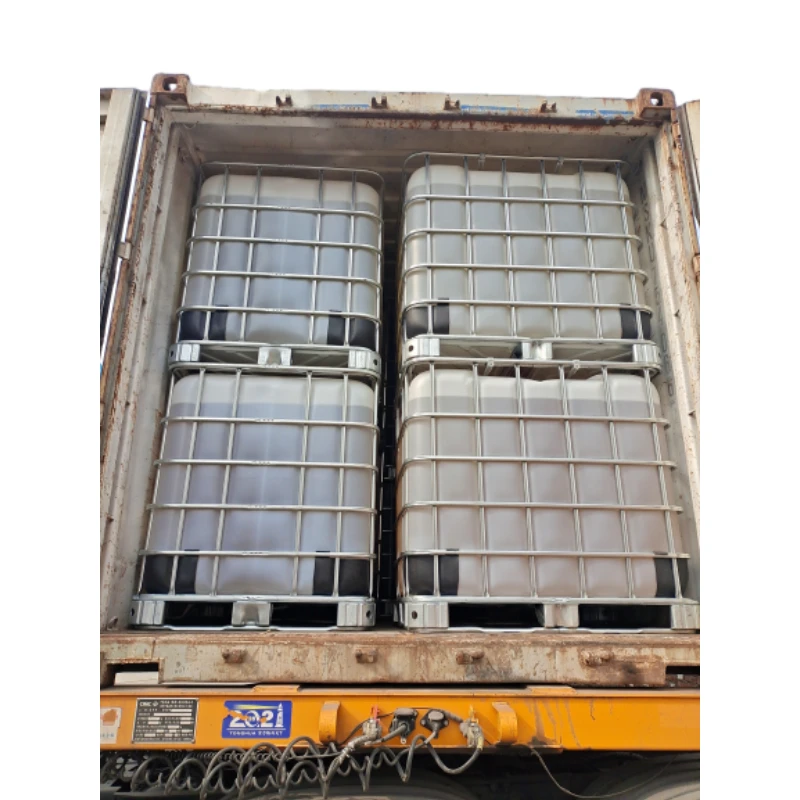
view more DiethanolisopropanolamineIn the ever-growing field of chemical solutions, diethanolisopropanolamine (DEIPA) stands out as a versatile and important compound. Due to its unique chemical structure and properties, DEIPA is of interest to various industries including construction, personal care, and agriculture. -
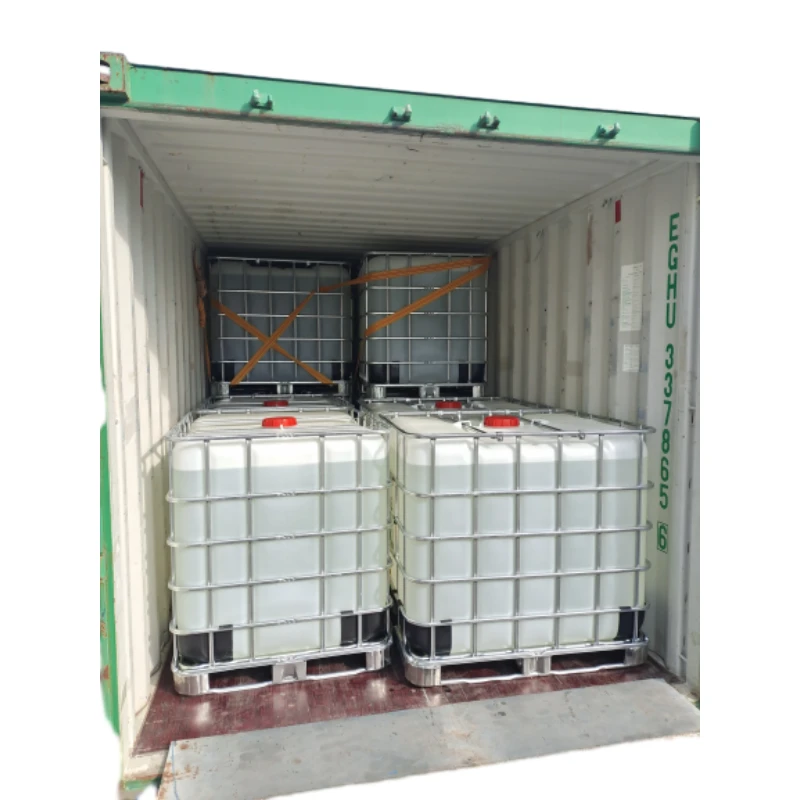
view more TriisopropanolamineTriisopropanolamine (TIPA) alkanol amine substance, is a kind of alcohol amine compound with amino and alcohol hydroxyl, and because of its molecules contains both amino and hydroxyl. -
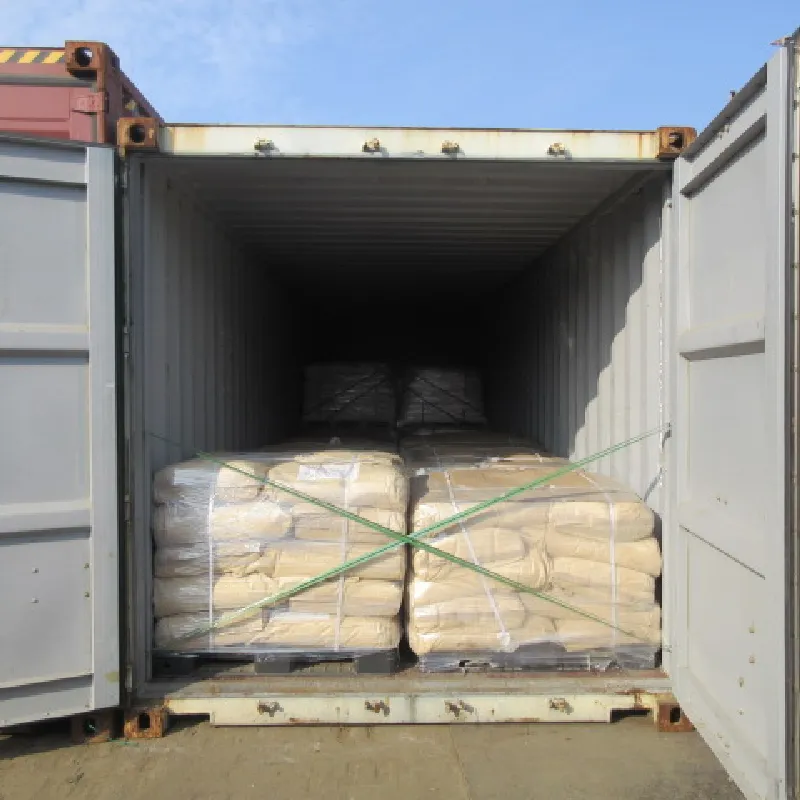
view more Tetramethyl Thiuram DisulfideTetramethyl thiuram disulfide, also known as TMTD, is a white to light-yellow powder with a distinct sulfur-like odor. It is soluble in organic solvents such as benzene, acetone, and ethyl acetate, making it highly versatile for use in different formulations. TMTD is known for its excellent vulcanization acceleration properties, which makes it a key ingredient in the production of rubber products. Additionally, it acts as an effective fungicide and bactericide, making it valuable in agricultural applications. Its high purity and stability ensure consistent performance, making it a preferred choice for manufacturers across various industries.