





Comprehensive Guide to Artificial Food Additives: Applications, Benefits & Future
Understanding Artificial Food Additives: What They Are and Why They Matter
Artificial food additives are everywhere—from the bread you buy at the store to the packaged snacks you grab on the go. But why should anyone care about these synthetic ingredients? Well, understanding artificial food additives is crucial because they directly impact food safety, shelf life, nutrition, and sometimes even public health on a global scale.
Globally, with the food industry booming and supply chains stretching across continents, food additives help keep perishables edible longer, improve taste, and ensure uniform quality. Whether it’s a famine relief program or a multinational snack brand, these additives quietly play a pivotal role in feeding billions efficiently and safely.
Mini takeaway: Artificial food additives, though often overlooked, are essential tools in modern food industry practices that help maintain food quality and safety worldwide.
The Global Context: Why Artificial Food Additives Are Essential Today
On a global scale, artificial food additives support one of the largest industries in the world—the food market. According to the United Nations, about 30% of the food produced globally is lost due to spoilage every year. Additives help reduce this wastage by preserving freshness and preventing microbial growth.
Further, as the International Organization for Standardization (ISO) reports, ensuring food safety and quality is paramount for export markets, where products must meet strict regulatory standards. Artificial additives often help manufacturers comply with these rules, ensuring that food stays safe from farm to table.
But it’s not just about preservation. Additives also tackle challenges like texture, flavor, and color consistency, which are critical for consumer acceptance worldwide.
Mini takeaway: Artificial food additives are more than just preservatives—they’re vital to solving global food supply challenges, safety standards, and consumer expectations.
Defining Artificial Food Additives
Simply put, artificial food additives are man-made substances added to foods to enhance flavor, appearance, texture, or shelf life. Unlike natural additives derived directly from plants or animals, artificial additives are chemically synthesized.
They can range from preservatives like BHA and BHT to flavor enhancers such as synthetic MSG, or coloring agents crafted to make foods look more appealing. These ingredients support food manufacturers in delivering consistent, safe, and attractive products.
In today’s industrial food production and humanitarian aid scenarios, artificial food additives bridge the gap between raw agricultural produce and consumable goods, enabling mass feeding and quick distribution.
Mini takeaway: Artificial food additives are synthetic compounds used to improve food’s taste, look, and lifespan—critical for modern food manufacturing and distribution.
Key Components and Characteristics of Artificial Food Additives
1. Preservation and Shelf-life Extension
The primary role of many additives is to prevent spoilage caused by microbes, oxidation, or enzymatic reactions. For example, preservatives like sodium benzoate or potassium sorbate fend off fungi and bacteria, extending a product’s life from days to months.
2. Flavor Enhancement
Artificial additives amplify or mimic natural flavors, making processed foods more palatable. Substances like monosodium glutamate (MSG) and artificial sweeteners often fall into this category.
3. Color and Texture Stabilization
Color additives like Tartrazine or Allura Red keep foods visually appealing, while texture agents like emulsifiers and thickeners maintain consistency, preventing separation or staling.
4. Cost Efficiency and Scalability
Using artificial additives often reduces production costs by allowing longer storage and transport times, enabling manufacturers to scale products for a global market effectively.
5. Regulatory Compliance and Safety
Approved additives must meet stringent safety standards defined by bodies such as the U.S. FDA or the European Food Safety Authority. This assures consumers that the additive is safe at prescribed levels.
Mini takeaway: Artificial food additives serve a range of practical roles—from preservation and flavor to cost-efficient scaling—all tightly regulated for safety.
Global Applications of Artificial Food Additives
Artificial additives are crucial across many sectors:
- In humanitarian aid: Ready-to-eat meals with preservatives support disaster relief, keeping food edible during long missions.
- Processed food manufacturing: Snack producers use coloring and flavorings to meet consumer preferences worldwide.
- Export and import markets: Additives help foods meet international standards, allowing mass shipment across borders.
- Retail and supermarkets: Modified atmosphere packaging combined with additives slows spoilage in fresh products.
For instance, in post-disaster relief operations across continents, fortified food additives help provide nutrition safely without refrigeration—an absolute necessity in many crisis zones.
Mini takeaway: Artificial food additives enable food distribution in diverse contexts from disaster zones to global retail chains.
Advantages and Long-Term Benefits of Artificial Food Additives
It's easy to focus on the negatives around artificial additives, but let’s not overlook the advantages:
- Cost savings: Extending shelf life reduces losses and lowers overall food costs.
- Food security: Preserved foods can reach remote or underserved areas, supporting nutrition worldwide.
- Enhancement of sensory qualities: Improved taste and appearance increase consumer satisfaction.
- Innovation stimulation: Additives enable new product types, like plant-based meat alternatives or vitamin-enriched snacks.
On an emotional level, these benefits translate into greater trust, safety, and dignity by ensuring people have access to nourishing, safe food.
Mini takeaway: Artificial food additives reduce waste, improve food access, and spark innovation, ultimately fostering social and economic benefits worldwide.
Looking Ahead: Future Trends and Innovations in Artificial Food Additives
Exciting developments are reshaping the additives space:
- Green chemistry: Researchers are creating bio-based and environmentally friendly alternatives to traditional synthetic additives.
- Cleaner labels: With rising consumer demand for “natural” foods, companies are reformulating products using simpler, recognizable ingredients.
- Digital traceability: Blockchain and IoT technologies help monitor additives through supply chains to improve transparency.
- Personalized nutrition: Tailored additives could soon assist in customizing foods for individual dietary needs or health goals.
Automation in production and stricter regulations also push for quality and safety improvements in additives used globally.
Mini takeaway: Sustainability, transparency, and personalization define the future path for artificial food additives innovation.
Challenges Faced & How Industry Experts Are Overcoming Them
Of course, no discussion is complete without addressing challenges:
- Consumer mistrust: The term “artificial” triggers fear around safety and health effects, sometimes unjustly.
- Regulatory hurdles: Diverse standards across countries complicate global manufacturing.
- Environmental impact: Synthetic additives often rely on petrochemical processes.
Experts are tackling these by investing in transparent labeling, harmonizing regulations, and adopting greener manufacturing methods. Open communication and science-backed data remain key pillars to rebuild consumer confidence.
Mini takeaway: Overcoming skepticism and regulatory complexity requires innovation, transparency, and unified industry standards.
FAQ: Frequently Asked Questions About Artificial Food Additives
- Are artificial food additives safe for regular consumption?
- Yes, regulatory agencies such as the FDA and EFSA rigorously evaluate additives before approval. When used within recommended limits, they are generally considered safe for the public.
- Do artificial food additives cause allergies or adverse effects?
- Some people can be sensitive to certain additives, like sulfites or artificial colorings, which may trigger allergic reactions. However, these are relatively rare and clearly labeled.
- How do food additives differ from natural preservatives?
- Natural preservatives come from plants or animals, like vinegar or salt, while artificial additives are chemically synthesized. Artificial ones often provide longer-lasting and more consistent effects.
- Can artificial food additives help reduce food waste?
- Absolutely. By extending shelf life and preventing spoilage, additives help decrease food loss at both retail and consumer levels worldwide.
- Are new regulations impacting the use of artificial food additives?
- Yes. Countries continuously update safety standards and labeling requirements, encouraging manufacturers to adapt and often favoring cleaner, more natural alternatives.
Product Specification Table: Typical Artificial Food Additives
| Additive | Primary Function | Common Food Applications | Regulatory Status |
|---|---|---|---|
| Sodium Benzoate | Preservative | Soft drinks, jams, sauces | FDA, EFSA Approved |
| Monosodium Glutamate (MSG) | Flavor Enhancer | Soups, snacks, canned vegetables | FDA, EFSA Approved |
| Tartrazine (Yellow 5) | Colorant | Candies, soft drinks, baked goods | FDA, EFSA Approved (with warnings) |
| Aspartame | Artificial Sweetener | Diet sodas, sugar-free snacks | FDA, EFSA Approved |
Vendor Comparison Table: Top Suppliers of Artificial Food Additives
| Supplier | Product Range | Global Presence | Certifications | Sustainability Initiatives |
|---|---|---|---|---|
| Tenger Chemical | Broad: Preservatives, Colorants, Sweeteners | Asia, Europe, Americas | ISO 9001, GMP | Green Chemistry Research |
| FoodChem Solutions | Specializes in Natural Additives & Blends | Europe, North America | Organic, ISO 22000 | Sustainable Sourcing |
| SynAdd International | Synthetic Flavorings & Preservatives | Global | FDA Approved, HACCP | Emission Reduction Programs |
Artificial food additives may not always get the limelight — after all, good additives are the invisible helpers behind food quality and safety. Yet, their role in modern food science and industry is impossible to overstate.
To explore more on this subject or source high-quality additives, please visit Tenger Chemical’s website, where extensive catalogs and expert support await.
References
-
The Essential Guide to Sorbates as Food Preservatives for SafetyNewsApr.16,2026
-
The Ultimate Guide to Sorbate Preservative in Modern IndustryNewsApr.09,2026
-
Comprehensive Guide to Sodium Stearoyl Lactylate Emulsifier Applications and BenefitsNewsApr.07,2026
-
Comprehensive Guide to Sodium Cyclamate Sweetener Properties and ApplicationsNewsApr.04,2026
-
Comprehensive Guide to Sodium Citrate Food Additive and Its ApplicationsNewsMar.31,2026
-
Comprehensive Guide to Sodium Bicarbonate Food Additive Applications and BenefitsNewsMar.28,2026
-
Understanding Sodium Benzoate Preservative in Cosmetics and Its ApplicationsNewsMar.26,2026
Hebei Tenger Chemical Technology Co., Ltd. focuses on the chemical industry and is committed to the export service of chemical raw materials.
-
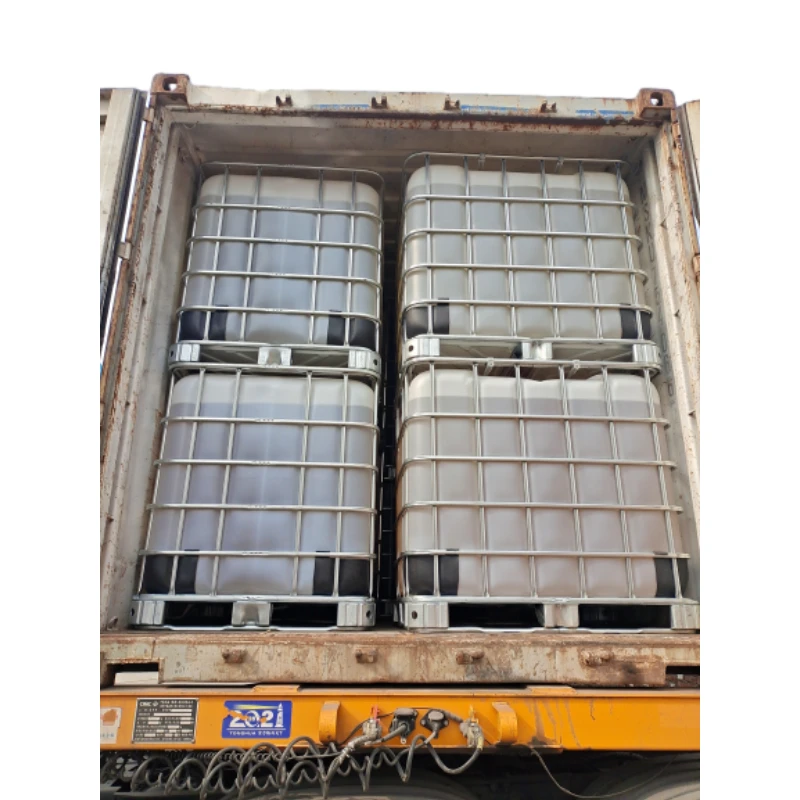
view more DiethanolisopropanolamineIn the ever-growing field of chemical solutions, diethanolisopropanolamine (DEIPA) stands out as a versatile and important compound. Due to its unique chemical structure and properties, DEIPA is of interest to various industries including construction, personal care, and agriculture. -
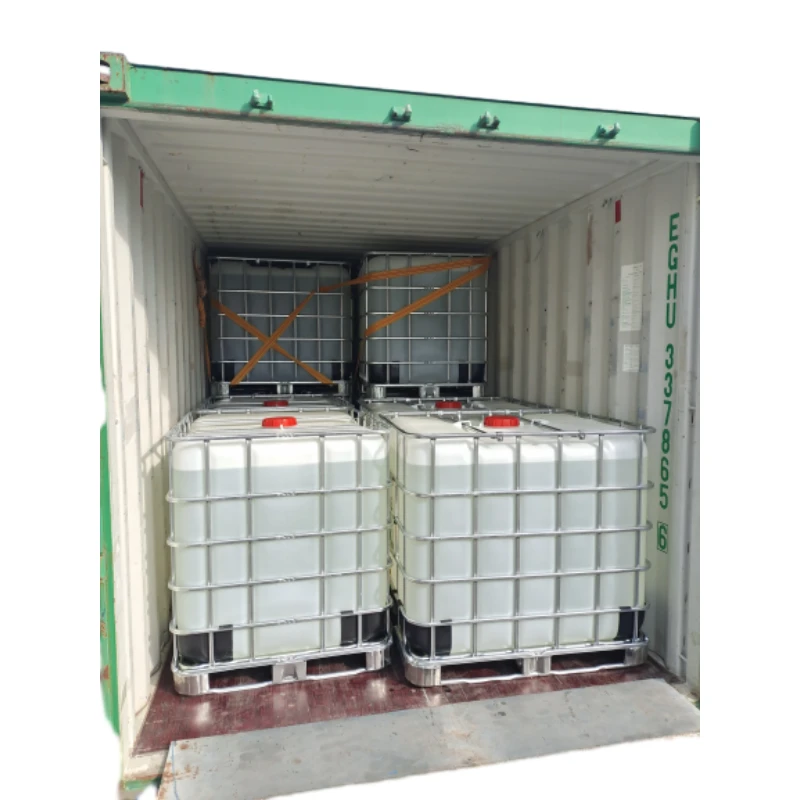
view more TriisopropanolamineTriisopropanolamine (TIPA) alkanol amine substance, is a kind of alcohol amine compound with amino and alcohol hydroxyl, and because of its molecules contains both amino and hydroxyl. -
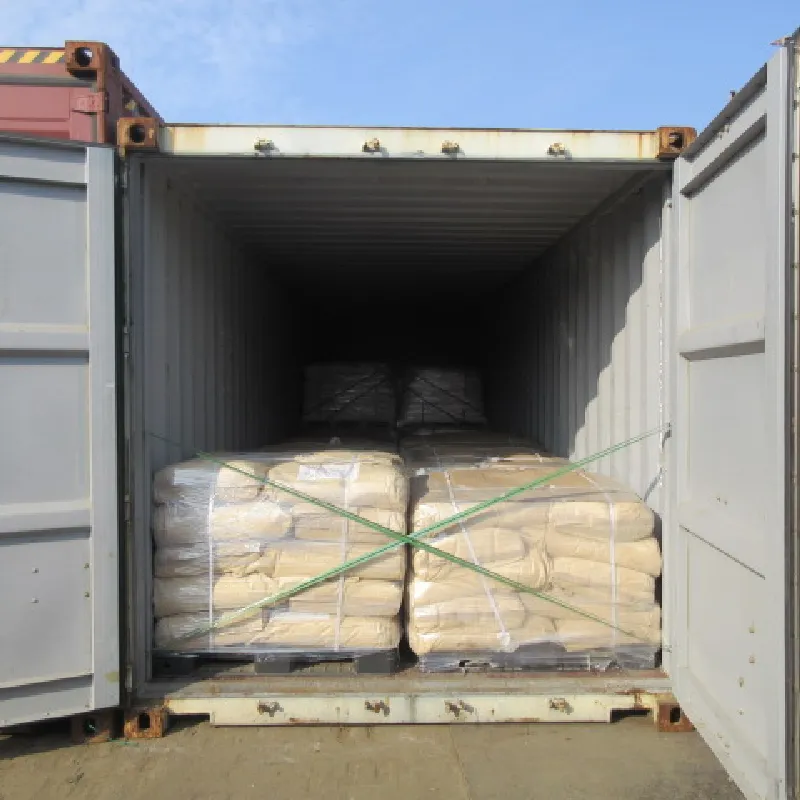
view more Tetramethyl Thiuram DisulfideTetramethyl thiuram disulfide, also known as TMTD, is a white to light-yellow powder with a distinct sulfur-like odor. It is soluble in organic solvents such as benzene, acetone, and ethyl acetate, making it highly versatile for use in different formulations. TMTD is known for its excellent vulcanization acceleration properties, which makes it a key ingredient in the production of rubber products. Additionally, it acts as an effective fungicide and bactericide, making it valuable in agricultural applications. Its high purity and stability ensure consistent performance, making it a preferred choice for manufacturers across various industries.