





Comprehensive Guide to Artificial Sweetener 950 (Acesulfame K) – Uses, Benefits & Suppliers
The Scoop on Artificial Sweetener 950: What You Need to Know
Artificial sweetener 950, better known as Acesulfame K, might sound like a mouthful of chemistry, but it’s more familiar than you think. Found in everything from soft drinks to baked goods, it’s part of a global movement aiming to reduce sugar intake without compromising taste. With worldwide concerns about obesity, diabetes, and sugar-related health issues growing steadily, understanding the role and impact of artificial sweetener 950 matters.
Why does this sweetener stand out? It provides sweetness without calories, offering industries and consumers alike a way to enjoy sugary flavors without sugar’s notorious side effects. Let’s dive deeper into what makes it tick, why it's in so many products, and what the future holds.
Global Context: Why Artificial Sweetener 950 Matters Worldwide
The world has a sugar problem. According to the World Health Organization, obesity rates have nearly tripled since 1975, largely attributable to excessive sugar consumption. Artificial sweeteners like 950 have grown in importance as a tool to combat this trend.
In 2023, global demand for calorie-free sweeteners topped USD 3 billion, and acesulfame potassium (artificial sweetener 950) represents a significant slice of that pie. Regions such as North America and Europe lead adoption, but emerging markets in Asia and Latin America are catching up fast.
The challenge? Balancing health concerns with taste profiles that consumers actually want. Many manufacturers struggle with the bitter aftertaste of some sweeteners; artificial sweetener 950 is often blended with other sweeteners to overcome this — and that’s where its strengths shine.
Mini takeaway: Artificial sweetener 950 is more than just a lab ingredient; it’s a strategic solution in the global public health battle against sugar-related diseases.
What Is Artificial Sweetener 950?
Simply put, artificial sweetener 950 is the code used internationally for Acesulfame Potassium (Acesulfame K or Ace-K). It’s an FDA-approved, calorie-free sweetener that’s roughly 200 times sweeter than table sugar (sucrose). Unlike natural sweeteners like stevia, aha 950 is synthetic but considered safe after decades of rigorous testing.
It belongs to a family of high-intensity sweeteners and is notable for its heat stability, making it a favorite among food scientists for applications involving baking or long shelf lives.
Industries ranging from beverages and confectionery to pharmaceuticals increasingly depend on it. For humanitarian and dietary uses, artificial sweetener 950 enables calorie reduction at scale, literally sweetening diets without the health costs.
Core Features of Artificial Sweetener 950
1. Intensity and Potency
Acesulfame K is about 200 times sweeter than sugar, which means very little is needed. This potency reduces product volume impact and cost.
2. Heat Stability
Unlike some sweeteners that break down when exposed to heat, 950 maintains sweetness in baking and cooking, allowing more versatile applications.
3. Zero-Calorie Profile
Replacing sugar with acesulfame potassium cuts calories, which helps consumers manage weight and blood sugar.
4. Blending Compatibility
To mask its mildly bitter aftertaste, 950 is often paired with sweeteners like sucralose, resulting in a more natural sugar-like flavor.
5. Regulatory Approval
Approved by agencies such as the FDA, EFSA, and JECFA, it is regarded as safe within prescribed intake levels.
Product Specification Table
| Property | Details |
|---|---|
| Chemical Name | Acesulfame Potassium (Acesulfame K) |
| Sweetness Relative to Sucrose | Approximately 200× |
| Caloric Content | 0 kcal/g |
| Stability | Stable under heat and acidic conditions |
| Solubility | Highly soluble in water |
| Acceptable Daily Intake (ADI) | 15 mg/kg body weight (per FDA) |
Where Does Artificial Sweetener 950 Get Used Globally?
From fizzy drinks in the US to sugar-free syrups in Japan, acesulfame potassium travels well. North America leads in beverage applications, where manufacturers bank on its clean sweetness to appeal to health-conscious consumers. Europe favors it for baked goods and chocolate products, thanks to its excellent heat stability.
In emerging markets like India and Brazil, it’s seeing increased adoption in powdered drink mixes and dairy products — meeting rising demand for low-calorie options without losing affordability.
Pharmaceutical firms also harness this sweetener for flavored syrups and chewables, where sugar reduction helps diabetic patients.
A memorable case: In disaster relief nutrition packets distributed by NGOs, artificial sweetener 950 often features to improve taste and shelf life without adding undesirable calories — a subtle but critical humanitarian role.
Mini takeaway: Its flexibility and proven safety are why artificial sweetener 950 is now a global player, quietly transforming products across continents.
Why Using Artificial Sweetener 950 Makes Sense in the Long Run
- Cost Efficiency: Highly potent, so less quantity needed — reducing transportation and raw material costs.
- Sustainability: Lower caloric footprint supports dietary health initiatives and can curb sugar farming's environmental impact.
- Trust and Safety: Decades of rigorous scientific evaluation back consumer confidence.
- Taste and Innovation: Enables product innovation with blends tailored to taste preferences.
- Health Impact: Helps consumers manage calorie intake, supporting weight and blood sugar control.
It’s not just about economics or nutrition — there’s an emotional side, too. Companies promoting well-being find artificial sweetener 950 a subtle hero; it helps people still enjoy sweet treats without guilt, which is surprisingly uplifting in a world full of diet fatigue.
The Horizon: What’s Next for Artificial Sweetener 950?
Looking ahead, the artificial sweetener 950 sector is buzzing. Innovations are underway with microencapsulation techniques to further mask any bitterness and enhance blend stability. There’s growing interest in combining it with natural sweetener extracts to meet the clean-label trend — reinforcing trust without losing functionality.
Digitization is also shaking things up, with AI-assisted flavor optimization allowing formulators faster, smarter trial & error. Sustainability reviews hint at greener production methods, reducing waste and energy consumption during synthesis.
Challenges & How Industry Experts Are Navigating Them
Of course, no ingredient is perfect. Some consumers remain wary due to “artificial” labels or lingering concerns over synthetic chemicals. Regulatory limits on intake also mean formulators must be smart about dosage — too much and taste or perceived safety suffers.
To offset these, manufacturers increasingly pair acesulfame K with other sweeteners, crafting blends that balance flavor and function, which often work better than solo sweeteners ever did.
Education is key. Transparency campaigns and clearer labeling help demystify artificial sweeteners for consumers.
Frequently Asked Questions About Artificial Sweetener 950
- Is artificial sweetener 950 safe for children and pregnant women?
- Regulatory bodies like the FDA and EFSA have deemed it safe within acceptable daily intake levels for the general population, including children and pregnant women. However, moderation is always advised as part of a balanced diet.
- Can artificial sweetener 950 be used in baking without losing sweetness?
- Yes, one of the advantages of 950 is its high heat stability, which means it maintains sweetness even after baking and cooking processes.
- How does artificial sweetener 950 compare to other sweeteners like sucralose or stevia?
- Acesulfame K is slightly more bitter on its own but blends exceptionally well with other sweeteners, often enhancing sweetness without extra calories. It’s synthetically derived versus plant-based stevia, appealing to different consumer preferences.
- Where can manufacturers source high-quality artificial sweetener 950?
- Leading chemical suppliers and specialized ingredient producers globally supply 950. It’s advisable to verify certifications and quality standards like ISO 9001 to ensure purity and compliance. For trusted sourcing, visit artificial sweetener 950.
- What regulatory approvals does artificial sweetener 950 have?
- It is approved by the US FDA, European Food Safety Authority (EFSA), and the Joint FAO/WHO Expert Committee on Food Additives (JECFA), with specified acceptable daily intake levels ensuring consumer safety.
Wrapping Up: Why Artificial Sweetener 950 Deserves Your Attention
In a world moving fast towards healthier, lower-calorie options, artificial sweetener 950 is a quiet champion — backed by science, embraced by industry, and increasingly trusted by consumers. It’s much more than a sugar substitute; it’s a facilitator of flavor, health, and innovation.
Curious to explore quality sources and detailed product info? Swing by https://www.tengerchemical.com for a deep dive into artificial sweetener 950 offerings that meet stringent modern demands.
Sometimes the smallest ingredients have the biggest stories, and artificial sweetener 950 is certainly no exception.
Vendor Comparison: Popular Artificial Sweetener 950 Suppliers
| Supplier | Certifications | Typical Purity (%) | Packaging Options | Lead Time |
|---|---|---|---|---|
| Tenger Chemical | ISO 9001, GMP | ≥ 99.5% | 25kg & 50kg bags, bulk | 2-4 weeks |
| SweetChem Inc. | FSSC 22000, Kosher | ≥ 99.2% | 10kg bags, drums | 3-6 weeks |
| PureFood Ingredients | ISO 22000, Halal | ≥ 99.7% | Bulk, 25kg boxes | 1-3 weeks |
In the end, it feels like a sense of progress — balancing health, taste, and practicality in every sweet bite. Food scientists and product developers continually nudge innovation forward thanks to ingredients like artificial sweetener 950...
References
-
The Essential Guide to Sorbates as Food Preservatives for SafetyNewsApr.16,2026
-
The Ultimate Guide to Sorbate Preservative in Modern IndustryNewsApr.09,2026
-
Comprehensive Guide to Sodium Stearoyl Lactylate Emulsifier Applications and BenefitsNewsApr.07,2026
-
Comprehensive Guide to Sodium Cyclamate Sweetener Properties and ApplicationsNewsApr.04,2026
-
Comprehensive Guide to Sodium Citrate Food Additive and Its ApplicationsNewsMar.31,2026
-
Comprehensive Guide to Sodium Bicarbonate Food Additive Applications and BenefitsNewsMar.28,2026
-
Understanding Sodium Benzoate Preservative in Cosmetics and Its ApplicationsNewsMar.26,2026
Hebei Tenger Chemical Technology Co., Ltd. focuses on the chemical industry and is committed to the export service of chemical raw materials.
-
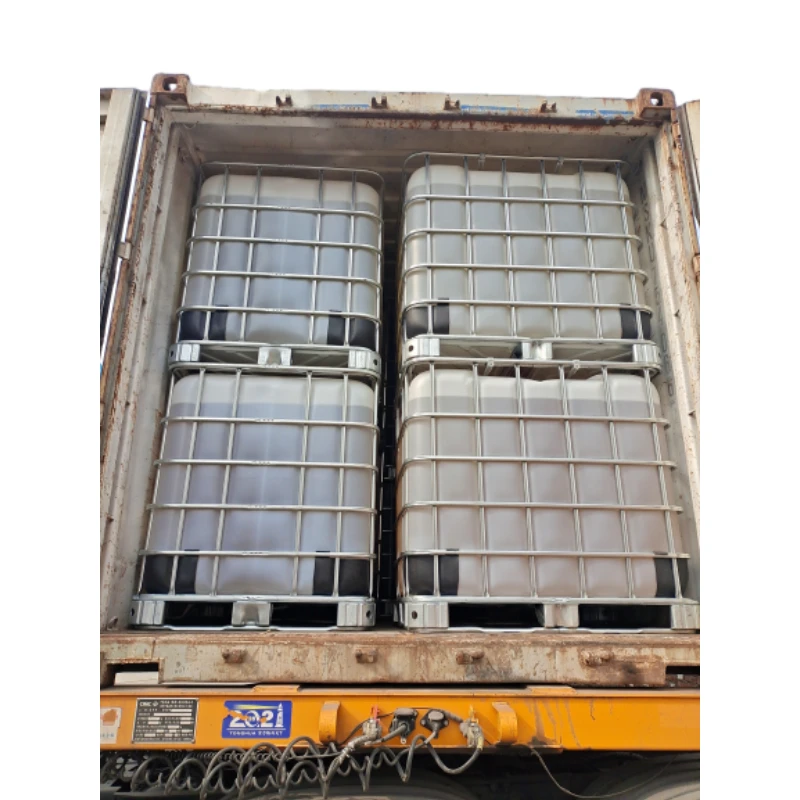
view more DiethanolisopropanolamineIn the ever-growing field of chemical solutions, diethanolisopropanolamine (DEIPA) stands out as a versatile and important compound. Due to its unique chemical structure and properties, DEIPA is of interest to various industries including construction, personal care, and agriculture. -
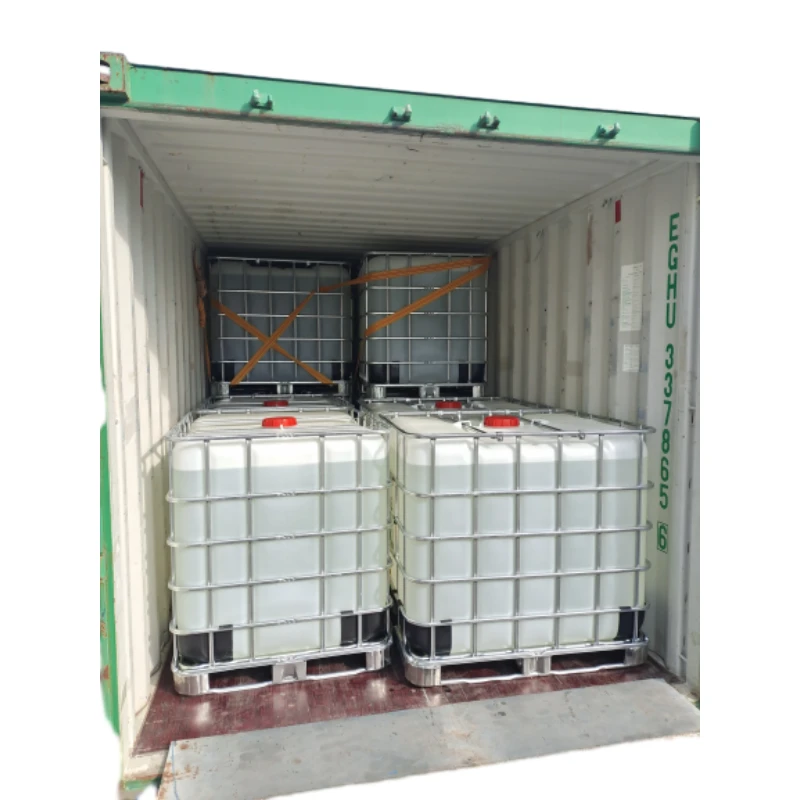
view more TriisopropanolamineTriisopropanolamine (TIPA) alkanol amine substance, is a kind of alcohol amine compound with amino and alcohol hydroxyl, and because of its molecules contains both amino and hydroxyl. -
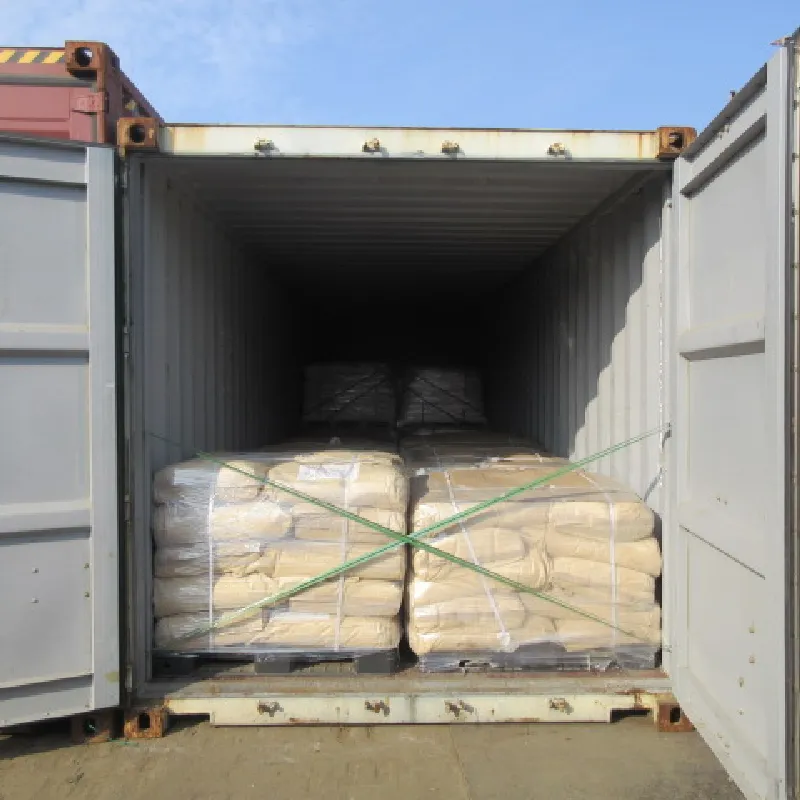
view more Tetramethyl Thiuram DisulfideTetramethyl thiuram disulfide, also known as TMTD, is a white to light-yellow powder with a distinct sulfur-like odor. It is soluble in organic solvents such as benzene, acetone, and ethyl acetate, making it highly versatile for use in different formulations. TMTD is known for its excellent vulcanization acceleration properties, which makes it a key ingredient in the production of rubber products. Additionally, it acts as an effective fungicide and bactericide, making it valuable in agricultural applications. Its high purity and stability ensure consistent performance, making it a preferred choice for manufacturers across various industries.