





Comprehensive Guide to Bleaching Agent in Food – Uses, Benefits & Safety
Understanding Bleaching Agents in Food: Why They Matter More Than You Think
If you’ve ever wondered why some powdered foods look so bright and fresh or why the flour in your pantry seems snow-white instead of off-white, bleaching agents in food are probably the unsung heroes (or sometimes controversially debated players) behind the scene. These agents are chemical or natural substances used to lighten the color of various foods, often improving visual appeal and shelf life. Globally, we’re talking about a tiny but crucial part of food processing that touches industries ranging from baking to vegetable oils.
While some people bristle at the thought of chemicals in their food, understanding what bleaching agents are and how they are used helps balance safety, quality, and consumer expectations, not to mention regulatory affairs worldwide. This article dives into the what, why, and how of bleaching agents in food, exploring their global significance and practical implications.
The Global View: Why Bleaching Agents in Food Are a Worldwide Concern
Globally, the processed food industry is a massive market, worth trillions. Within it, bleaching agents play a subtle but measurable role in product standardization and consumer acceptance. According to the Food and Agriculture Organization (FAO) and the World Health Organization (WHO), food bleaching improves sensory qualities, making food look clean and uniform, which influences buying decisions and even perceived freshness.
What’s more, a 2022 report by the International Organization for Standardization (ISO) highlights increasing trade of white flours and oils processed with bleaching agents, especially between Asia, Europe, and North America. In developing countries, where post-harvest handling can be inconsistent, bleaching agents help standardize food products before export.
One challenge? Balancing effective use with health and environmental concerns is no walk in the park. Global regulations differ widely, and trace contaminants or excessive bleaching raise eyebrows and sometimes trade conflicts. So bleaching agents in food are part of a broader conversation on food safety, sustainability, and consumer trust.
Mini takeaway:
Bleaching agents in food might seem niche, but they are embedded in global food trade and standards, reflecting cultural, economic, and safety balancing acts.
What Exactly Is a Bleaching Agent in Food?
In simple terms, a bleaching agent in food is a compound that removes or reduces natural color pigments from food products. This process makes foods like flour, sugar, or vegetable oils look whiter or clearer. Chemically, bleaching agents often work by breaking down colored molecules or inhibiting enzymatic browning.
Common bleaching agents include chlorine gas, benzoyl peroxide, chlorine dioxide, and natural alternatives like ascorbic acid. The choice depends on food type, cost, desired effect, and local regulations.
Why does this matter for the food supply chain? Well, whiteness often signals purity and quality in certain staples, such as wheat flour or refined oils. Plus, bleaching can extend shelf life by removing precursors to oxidation, which enhances food safety and reduces waste — a huge humanitarian plus in places where refrigeration is sparse.
Mini takeaway:
Bleaching agents lighten food color by chemical means, impacting appearance, shelf life, and consumer perceptions, linking science with culture.
Core Aspects of Bleaching Agents and Their Practical Importance
1. Chemical Efficacy and Safety
This is about how well the agent whitens food without leaving harmful residues. Many engineers say chlorine-based agents are efficient but controversial. Alternatively, peroxide-based are gentler but slower. Safety protocols and maximum residue limits (MRLs) set by organizations like Codex Alimentarius ensure consumer health is prioritized.
2. Regulatory Compliance
Depending on country, bleaching agents may face strict legislation. The EU, for example, tightly regulates bleaching in flour, while some countries allow wider usage. Understanding this helps exporters avoid blocking issues and align processing methods.
3. Cost Efficiency
Since bleaching is often an industrial-scale process, cost per ton matters. Some agents require less time or lower doses, saving energy or labor. It’s a balance between upfront chemical cost and downstream benefits like product shelf life.
4. Environmental Impact
With sustainability at the forefront, the effects of bleaching chemicals on wastewater and soil must be considered. There’s a noticeable shift towards natural and less persistent agents to satisfy green policies.
5. Scalability for Supply Chains
Food processors, from small mills to massive plants, need agents suitable for their scale. Some chemicals need specialized equipment for application, affecting how easily they can be integrated.
| Specification | Chlorine Gas | Benzoyl Peroxide | Ascorbic Acid (Natural) |
|---|---|---|---|
| Typical Use | Flour bleaching | Flour bleaching | Fruit and vegetable whitening |
| Bleaching Speed | Fast (minutes) | Medium (hours) | Slow (days) |
| Regulatory Status | Controlled, restricted in some countries | Approved in most regions | Generally recognized as safe (GRAS) |
| Environmental Burden | Moderate to high (waste disposal needed) | Lower impact | Minimal |
| Price per kg (approx.) | $2.00 | $3.50 | $5.00 |
Mini takeaway:
Choosing the right bleaching agent requires balancing safety, cost, environmental impact, and regulatory rules — no magic bullet here.
Real-Life Use Cases: How Bleaching Agents Touch Our Lives Everywhere
Bleaching agents show up in surprising places beyond your kitchen shelf. In the baking industry, bright white flour remains the gold standard for many products across Europe and North America. Without bleaching, some baked goods might look dull or inconsistent, affecting consumer trust.
In tropical countries like India and Thailand, bleaching vegetable oils improves clarity and shelf life under tough storage conditions. This helps small-scale producers meet export standards and compete globally.
Oddly enough, post-disaster food aid programs sometimes rely on bleached flour and starches because of their longer shelf stability and neutral taste, making them versatile in emergency meals.
Even confectionery and sugar refining benefit — bleaching agents ensure that powdered sugar stays pristine white, crucial for high-end desserts.
Mini takeaway:
From industrial baking to humanitarian aid storage, bleaching agents in food help ensure quality, safety, and international standards are met worldwide.
Why Use Bleaching Agents? The Benefits Beyond Whiteness
- Enhanced Appearance: Consumers often associate whiteness with purity and freshness, boosting product appeal and sales.
- Improved Shelf Life: By reducing enzymes that cause browning and spoilage, bleaching agents can lengthen food’s usability.
- Food Safety: Some bleaching processes eliminate contaminants or microbes, making food safer.
- Waste Reduction: Consistency means less rejected product, which benefits the environment and economy.
- Emotional Impact: Clean, bright products suggest care, hygiene, and quality — factors that build consumer trust.
Mini takeaway:
Bleaching agents do more than alter color; they support trust, safety, and sustainability in global food systems.
Looking Ahead: Innovations and Future Trends in Food Bleaching
The future of bleaching agents is trending towards greener, gentler alternatives. Researchers explore natural enzymes and plant-derived antioxidants that can lighten food color without harsh chemicals. Digital transformation in food processing means more precise dosing and monitoring, reducing waste and overuse.
At the same time, sustainability policies push for less water-intensive processes and biodegradable by-products. Automation also lets smaller producers tap into bleaching technologies previously limited to large-scale plants.
So-called cold plasma techniques and pulsed light are exciting innovations that may someday replace traditional bleaching chemicals altogether.
Mini takeaway:
The bleaching agent scene is evolving fast, embracing technology and sustainability — stay tuned!
Challenges & How Experts Are Overcoming Them
Despite their benefits, bleaching agents face criticism for potential chemical residues, environmental burdens, and regulatory hurdles. Many processors struggle to balance effective bleaching with consumer demand for “clean labels” and natural foods.
Industry experts suggest more transparency, stricter residue testing, and transitioning towards natural bleaching methods as key solutions. Collaborative research and international standards also aim to harmonize safe practices globally.
Training and investment are essential — many producers simply lack the expertise or equipment to adopt new, greener methods right away.
Vendor Comparison: Popular Bleaching Agent Suppliers
| Vendor | Product Range | Certifications | Global Distribution | Price Level |
|---|---|---|---|---|
| Tenger Chemical | Chlorine, Benzoyl Peroxide, Natural | ISO 9001, FSSC 22000 | Asia, Europe, Americas | Competitive |
| Global Food Chemicals | Wide range incl. enzymes | BRC, ISO 22000 | North America, EU | Mid-High |
| EcoBlend Naturals | Natural antioxidants, enzymes | Organic, Non-GMO | Europe, Asia | Premium |
FAQ: Quick Questions on Bleaching Agent in Food
Q1: Are bleaching agents safe to consume?
A1: Yes, when used according to international regulations and within prescribed limits, bleaching agents are considered safe and undergo extensive testing by agencies like the FDA and EFSA.
Q2: Do bleaching agents affect the nutritional value of food?
A2: Minimal impact is generally observed. However, some sensitive vitamins might degrade slightly, so manufacturers compensate by enriching foods with nutrients.
Q3: Can natural bleaching agents fully replace chemical ones?
A3: Natural alternatives show promise but may lack efficiency or require longer processing. The trend is toward hybrid approaches, blending safety with performance.
Q4: How do regulations differ internationally for food bleaching?
A4: Regulations vary; some countries restrict chlorine use, others allow benzoyl peroxide freely. Manufacturers must align with local laws to export successfully.
Q5: Where can I find reliable bleaching agents for industrial use?
A5: Trusted suppliers like Tenger Chemical offer a range of approved bleaching agents suitable for various food industries.
Wrapping It Up: Why Bleaching Agents in Food Are Here to Stay
Understanding bleaching agents in food is more than a scientific curiosity—it’s about appreciating how subtle chemistry supports global food safety, quality, and sustainability. While debates on safety and environmental risks continue, ongoing innovations and regulatory oversight work towards minimizing downsides.
For anyone in food processing or trade, staying informed about bleaching agents—how they work, what the options are, and their evolving role—opens doors to better, safer, and more trusted products.
Want to explore top-quality bleaching agents and expert advice? Visit Tenger Chemical and join the conversation on food quality innovation today.
References:
-
The Essential Guide to Sorbates as Food Preservatives for SafetyNewsApr.16,2026
-
The Ultimate Guide to Sorbate Preservative in Modern IndustryNewsApr.09,2026
-
Comprehensive Guide to Sodium Stearoyl Lactylate Emulsifier Applications and BenefitsNewsApr.07,2026
-
Comprehensive Guide to Sodium Cyclamate Sweetener Properties and ApplicationsNewsApr.04,2026
-
Comprehensive Guide to Sodium Citrate Food Additive and Its ApplicationsNewsMar.31,2026
-
Comprehensive Guide to Sodium Bicarbonate Food Additive Applications and BenefitsNewsMar.28,2026
-
Understanding Sodium Benzoate Preservative in Cosmetics and Its ApplicationsNewsMar.26,2026
Hebei Tenger Chemical Technology Co., Ltd. focuses on the chemical industry and is committed to the export service of chemical raw materials.
-
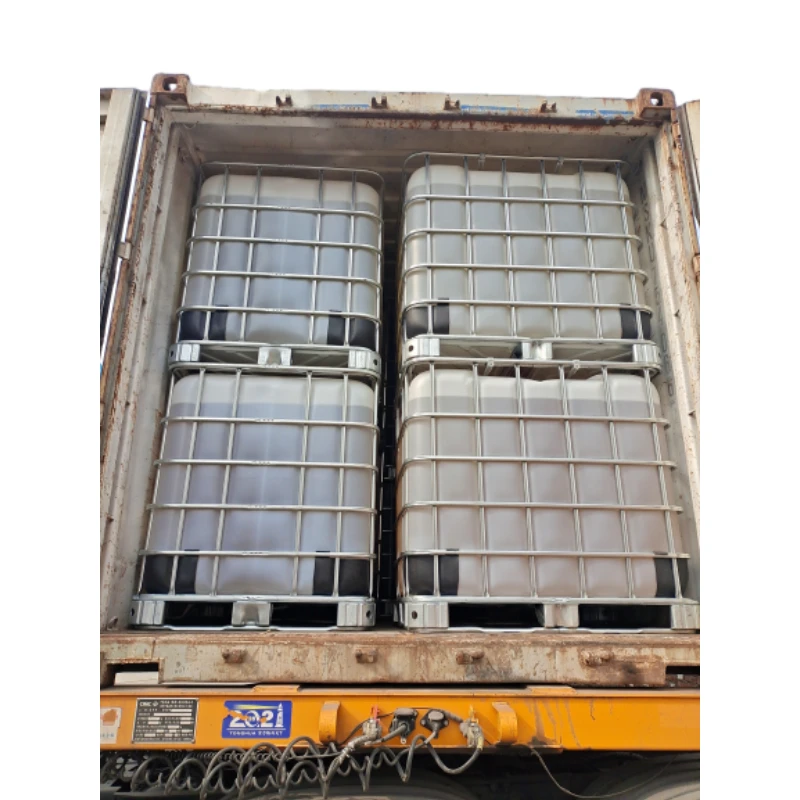
view more DiethanolisopropanolamineIn the ever-growing field of chemical solutions, diethanolisopropanolamine (DEIPA) stands out as a versatile and important compound. Due to its unique chemical structure and properties, DEIPA is of interest to various industries including construction, personal care, and agriculture. -
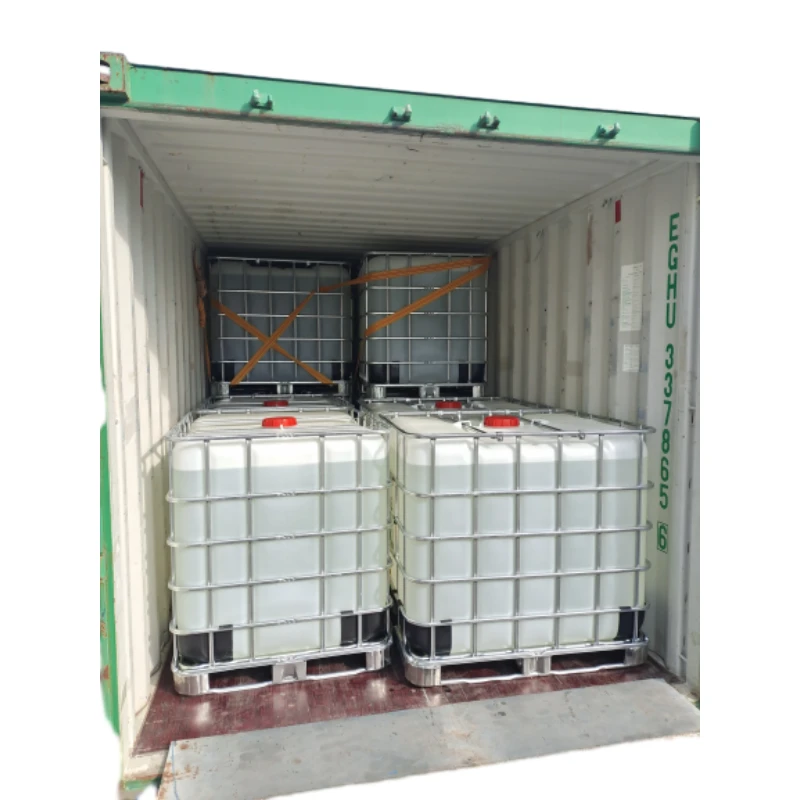
view more TriisopropanolamineTriisopropanolamine (TIPA) alkanol amine substance, is a kind of alcohol amine compound with amino and alcohol hydroxyl, and because of its molecules contains both amino and hydroxyl. -

view more Tetramethyl Thiuram DisulfideTetramethyl thiuram disulfide, also known as TMTD, is a white to light-yellow powder with a distinct sulfur-like odor. It is soluble in organic solvents such as benzene, acetone, and ethyl acetate, making it highly versatile for use in different formulations. TMTD is known for its excellent vulcanization acceleration properties, which makes it a key ingredient in the production of rubber products. Additionally, it acts as an effective fungicide and bactericide, making it valuable in agricultural applications. Its high purity and stability ensure consistent performance, making it a preferred choice for manufacturers across various industries.