





Comprehensive Guide to Food Additive MSG: Benefits, Uses, and Global Impact
Understanding Food Additive MSG: Why It Matters Globally
If you’ve ever glanced at the ingredients list of a packaged snack or a restaurant menu and spotted “monosodium glutamate” or simply MSG, you might have wondered what this additive really does and why it’s so widely used. In short, food additive MSG is a flavor enhancer that has transformed the food industry worldwide. But it’s not just about taste—it’s about accessibility, sustainability, and meeting global food demands in efficient ways.
Globally, with populations expected to hit nearly 8 billion by the mid-2020s according to the United Nations, ensuring food quality and palatability has never been more important. Food additive MSG plays a subtle yet crucial role in this effort—improving flavor while allowing manufacturers to use fewer salts and fats. The result? Food that’s flavorful, affordable, and enjoyable, especially for communities facing food scarcity or taste fatigue.
So why bother understanding MSG in more detail? Because this additive intersects science, industry, and health in fascinating ways. Exploring what it is, how it works, and its applications worldwide can help demystify its role—and also highlight innovations making food safer and tastier for everyone.
Introduction: The Global Importance of Food Additive MSG
The global market for food additives was valued at over USD 44 billion in 2022 and is projected to keep growing at a healthy rate (Statista). MSG stands out because it’s not just a flavor enhancer but also a key player in reducing sodium intake, a global health concern with over 1.3 billion adults affected by hypertension (WHO).
Yet MSG often gets misunderstood due to myths and misconceptions. Industry professionals, nutritionists, and policymakers are turning to research and regulation to clarify its safety and benefits. As the food sector faces challenges like rising costs, supply chain pressures, and shifting consumer preferences toward clean-label products, the role of food additive MSG as a cost-efficient, effective ingredient remains compelling.
What Exactly Is Food Additive MSG?
Monosodium glutamate is the sodium salt of glutamic acid, one of the most abundant naturally occurring amino acids. Simply put, it’s a crystalline powder that enhances umami—the fifth basic taste, often described as savory or meaty.
MSG is commonly produced through fermentation of starch, sugar beets, sugar cane, or molasses. This amino acid is then converted into the monosodium salt form to create the familiar white crystalline additive. It’s widely used in processed foods, snacks, canned soups, seasoning blends, and even in many restaurant kitchens across Asia, Europe, and the Americas.
Its connection to modern industry is clear: MSG helps manufacturers maintain flavor consistency while using fewer expensive or less sustainable ingredients like salt or fat. This is especially important in humanitarian food aid contexts, where flavor and shelf life must be balanced carefully.
Key Factors Defining Food Additive MSG
1. Flavor Enhancement
MSG intensifies savory taste sensations without overwhelming the natural food profile. It amplifies the umami taste, enriching soups, broths, meats, and snacks alike.
2. Cost Efficiency
Compared to salt and sugar, MSG allows for lower usage of these costly components by enhancing flavor with just small amounts—typically 0.1% to 0.8% in recipes—yielding significant cost savings in mass production.
3. Safety and Regulatory Approval
Backed by decades of scientific study, MSG is recognized as safe by authorities like the US FDA, the European Food Safety Authority (EFSA), and the Joint FAO/WHO Expert Committee on Food Additives (JECFA).
4. Functional Versatility
It is highly soluble and stable, making it compatible with various food processing methods including freezing, drying, and canning.
5. Shelf Stability
Due to its crystalline form, MSG has a long shelf life, which is indispensable for food manufacturing and distribution worldwide.
| Specification | Value |
|---|---|
| Appearance | White crystalline powder |
| Purity | ≥ 99% |
| Solubility | Highly soluble in water |
| pH (1% solution) | 6.5 - 7.5 |
| Shelf Life | 2 years (in dry, cool conditions) |
Mini takeaway: MSG isn’t some mysterious chemical—it’s a highly studied, naturally derived compound that enhances flavor safely and efficiently.
Global Applications & Use Cases
Food additive MSG is truly global in reach. Asia, especially China, Japan, and Korea, is the largest market due to cultural taste preferences that prize umami. In Europe and North America, MSG finds use in convenience foods, snacks, canned goods, and seasoning powders.
One particularly interesting application is in humanitarian aid. Organizations distributing food rations in disaster-affected regions incorporate MSG to improve taste without increasing bulk or cost. In remote industrial zones, MSG helps maintain palatability in shelf-stable meals for workers often battling taste fatigue.
Its omnipresence in processed foods and restaurant industries is a testament to its versatility—a quiet hero ensuring global food sustainability.
Advantages & Long-Term Value of Food Additive MSG
- Affordability: Reduces costs by minimizing salt and fat content needed for flavor.
- Health Benefits: Allows reduced sodium intake, addressing hypertension concerns.
- Sustainability: Supports longer shelf life, reducing food waste during transport and storage.
- Consumer Acceptance: Enhances food palatability which can boost nutritional uptake in populations.
On the emotional side, MSG helps add joy to meals, especially in food relief settings where dignity and comfort through taste are invaluable. On the logical front, its proven safety and cost-effectiveness solidify trust among manufacturers and consumers alike.
Future Trends & Innovations
The food industry is evolving rapidly—MSG isn’t just resting on its laurels. Moving forward, fermentation technologies are becoming greener and more efficient, producing MSG through bio-based methods that reduce carbon footprint.
There is also a growing emphasis on “clean-label” MSG products made with minimal processing, addressing consumer demand for natural ingredients. Digital transformation in food quality monitoring and smart packaging is expected to enhance the consistency and safety of MSG-infused products.
Automation in production lines coupled with sustainability policies could see MSG becoming even more integral to future-ready food manufacturing.
Challenges & Solutions in Using Food Additive MSG
Despite abundant research confirming MSG’s safety, some consumer apprehension lingers—often fueled by misinformation or anecdotal reports. Additionally, sourcing high-quality raw materials amidst global supply chain disruptions can challenge manufacturers.
To overcome these, industry leaders are enhancing transparency through better labeling practices and consumer education. Technological advances help stabilize supply chains, and alternative fermentation substrates are being explored to diversify raw material usage.
| Vendor | MSG Purity | Price (per ton) | Certifications | Global Reach |
|---|---|---|---|---|
| Tenger Chemical | ≥ 99% | Competitive | ISO, FDA, HACCP | Asia, Europe, Americas |
| Global Food Supply Inc. | 98.5% | Moderate | FDA, GMP | Primarily Americas |
| PureTaste Extracts | > 99% | Premium | Organic, ISO | Europe, Asia |
FAQ About Food Additive MSG
Q1: Is MSG safe for everyone to consume?
Yes, regulatory bodies such as the FDA and EFSA consider MSG safe when consumed within normal dietary amounts. Some individuals may experience mild sensitivity, but no conclusive evidence links MSG to adverse health effects in the general population.
Q2: How does MSG reduce the need for salt in processed foods?
MSG enhances the overall savory flavor profile, allowing food producers to lower added salt content without losing taste appeal, which helps reduce sodium intake while maintaining consumer satisfaction.
Q3: Can MSG be used in organic or clean-label products?
Producers are developing fermentation-based MSG with minimal processing, often certified for organic use. While “clean-label” definitions vary, transparent sourcing and natural production methods help meet consumer demand.
Q4: How do food producers ensure consistent MSG quality?
Strict quality control measures, certifications (e.g., ISO, HACCP), and supplier audits help maintain purity, solubility, and safety standards in MSG production.
Q5: Where can manufacturers source high-quality MSG globally?
Leading suppliers like Tenger Chemical offer high purity MSG with global distribution, catering to diverse industry needs with reliable logistics and certifications.
Conclusion
Food additive MSG continues to be a powerful ally in creating enjoyable, affordable, and sustainable food products worldwide. Its legacy as a safe flavor enhancer combined with ongoing innovation ensures it will remain vital as the food industry adapts to future challenges. For manufacturers, nutritionists, and consumers alike, understanding MSG is key to appreciating how science and taste come together to meet global food demands.
Curious to learn more about the role of MSG in the food industry? Visit our website: https://www.tengerchemical.com.
Oddly enough, what feels like a simple flavor booster actually helps weave together a complex story of health, economics, and sustainability worldwide.
References:
-
The Essential Guide to Sorbates as Food Preservatives for SafetyNewsApr.16,2026
-
The Ultimate Guide to Sorbate Preservative in Modern IndustryNewsApr.09,2026
-
Comprehensive Guide to Sodium Stearoyl Lactylate Emulsifier Applications and BenefitsNewsApr.07,2026
-
Comprehensive Guide to Sodium Cyclamate Sweetener Properties and ApplicationsNewsApr.04,2026
-
Comprehensive Guide to Sodium Citrate Food Additive and Its ApplicationsNewsMar.31,2026
-
Comprehensive Guide to Sodium Bicarbonate Food Additive Applications and BenefitsNewsMar.28,2026
-
Understanding Sodium Benzoate Preservative in Cosmetics and Its ApplicationsNewsMar.26,2026
Hebei Tenger Chemical Technology Co., Ltd. focuses on the chemical industry and is committed to the export service of chemical raw materials.
-
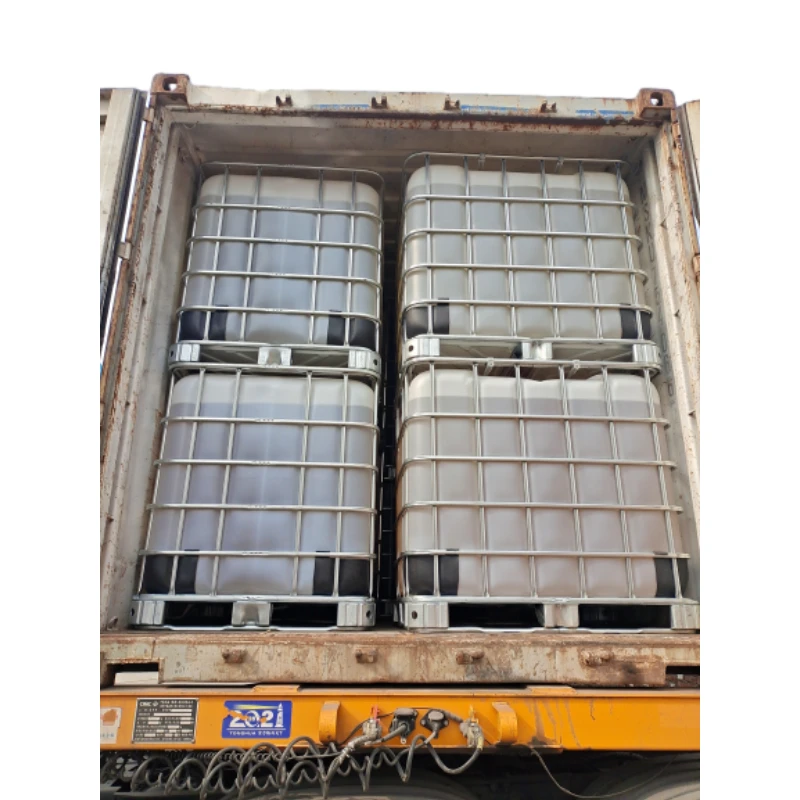
view more DiethanolisopropanolamineIn the ever-growing field of chemical solutions, diethanolisopropanolamine (DEIPA) stands out as a versatile and important compound. Due to its unique chemical structure and properties, DEIPA is of interest to various industries including construction, personal care, and agriculture. -
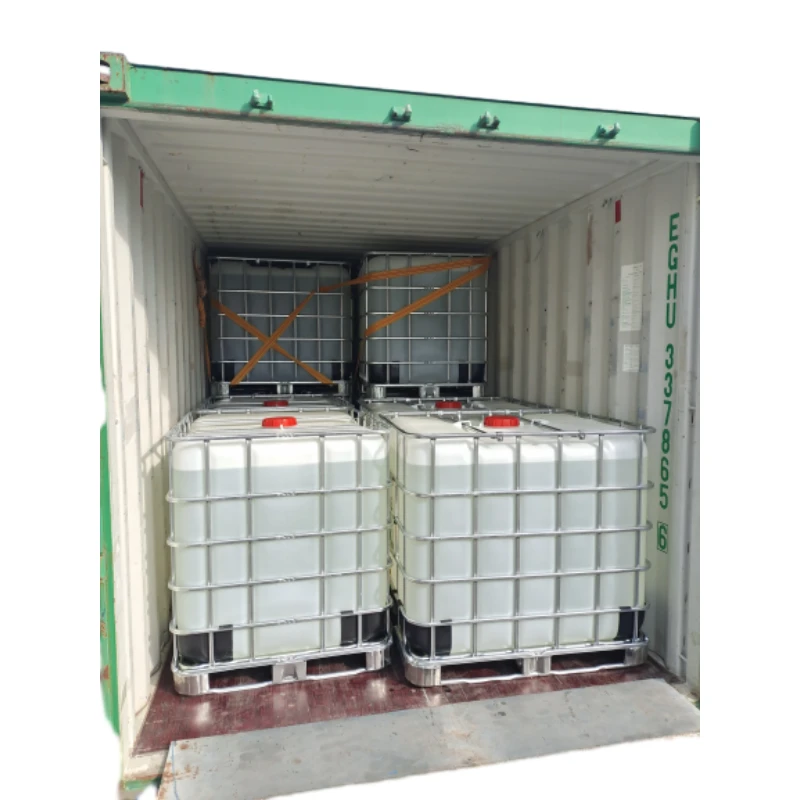
view more TriisopropanolamineTriisopropanolamine (TIPA) alkanol amine substance, is a kind of alcohol amine compound with amino and alcohol hydroxyl, and because of its molecules contains both amino and hydroxyl. -

view more Tetramethyl Thiuram DisulfideTetramethyl thiuram disulfide, also known as TMTD, is a white to light-yellow powder with a distinct sulfur-like odor. It is soluble in organic solvents such as benzene, acetone, and ethyl acetate, making it highly versatile for use in different formulations. TMTD is known for its excellent vulcanization acceleration properties, which makes it a key ingredient in the production of rubber products. Additionally, it acts as an effective fungicide and bactericide, making it valuable in agricultural applications. Its high purity and stability ensure consistent performance, making it a preferred choice for manufacturers across various industries.