





Comprehensive Guide to Preservative INS 234 in Coconut Water Applications
Preservative INS 234 in Coconut Water: A Comprehensive Guide
The rising demand for natural and convenient beverages has significantly increased the consumption of coconut water globally. However, maintaining the quality and extending the shelf life of this perishable product requires careful consideration of preservatives. One such preservative gaining attention is Sodium Benzoate (INS 234). This article delves into the use of INS 234 in coconut water, exploring its benefits, regulations, and potential alternatives. Understanding its role is crucial for both manufacturers and consumers alike. Ensuring safety and freshness while meeting consumer expectations requires a nuanced approach to preservation.
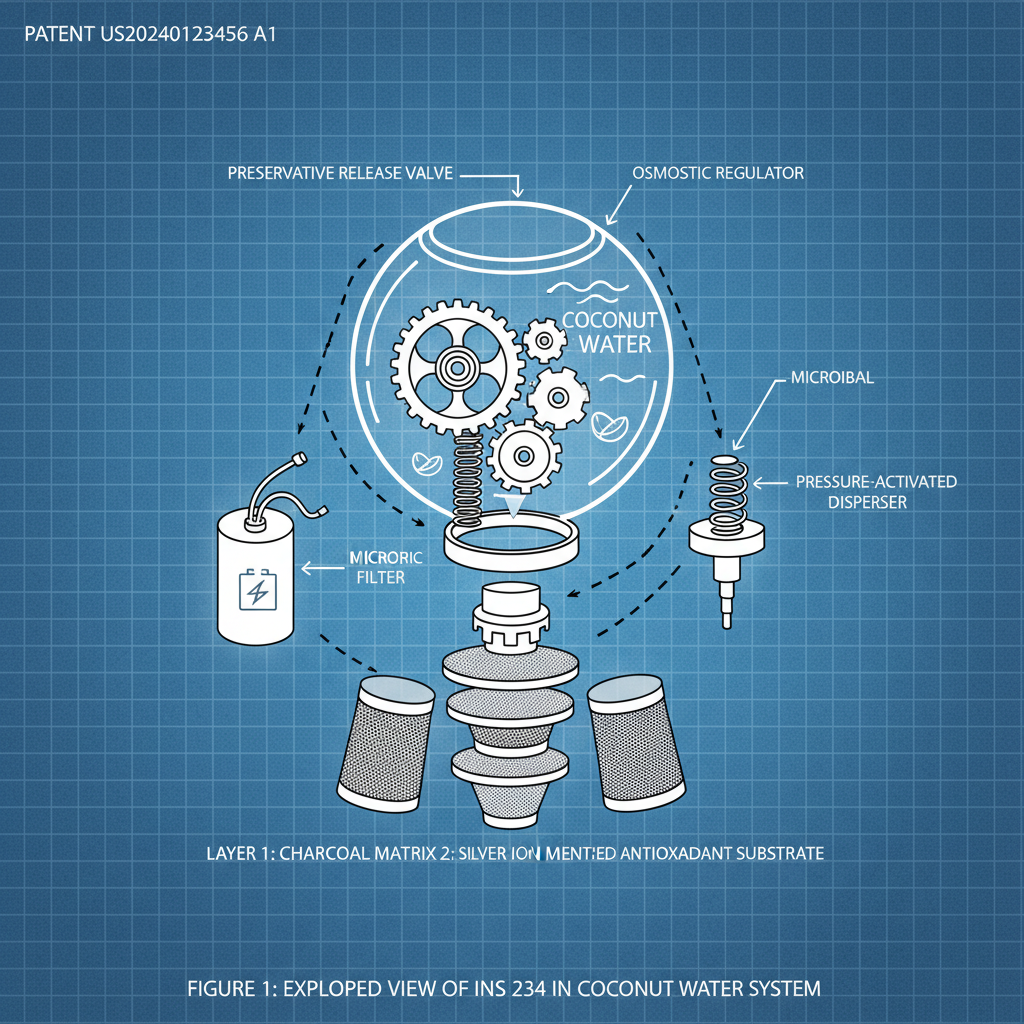
What is INS 234 (Sodium Benzoate)?
INS 234, commonly known as Sodium Benzoate, is a widely used food preservative. It's the sodium salt of benzoic acid and functions as an antimicrobial agent, inhibiting the growth of bacteria, yeast, and molds. This is particularly important in beverages like coconut water, which are prone to spoilage due to their natural sugar content and pH level. It's effective across a wide pH range, though its efficacy is highest in acidic environments – making it suitable for coconut water. Sodium Benzoate works by penetrating the cells of microorganisms and disrupting their ability to function properly. Tenger Chemical offers high-quality Sodium Benzoate suitable for food-grade applications.
Key Highlights: Sodium Benzoate effectively inhibits the growth of spoilage microorganisms, extending the shelf life of coconut water. It’s a cost-effective and widely approved preservative.
The Role of INS 234 in Coconut Water Preservation
Coconut water, being a natural product, lacks the inherent preservatives found in many processed foods. This makes it susceptible to rapid spoilage, leading to changes in taste, odor, and appearance. INS 234 effectively combats this by preventing microbial growth. The optimal concentration of Sodium Benzoate in coconut water is typically between 100 and 200 ppm (parts per million), depending on local regulations and the specific characteristics of the product. Proper dosage ensures both effectiveness and compliance with safety standards. The use of high-quality Sodium Benzoate like that offered by Tenger Chemical, is critical for achieving desired results.
Benefits of Using INS 234 in Coconut Water:
• Extends shelf life, reducing waste.
• Maintains the natural taste and aroma of coconut water.
• Prevents spoilage and the growth of harmful microorganisms.
• Cost-effective preservation solution.
INS 234 vs. Other Preservatives in Coconut Water
While Sodium Benzoate is a common choice, other preservatives can be used in coconut water. These include Potassium Sorbate, Ascorbic Acid (Vitamin C), and sometimes, heat treatment (pasteurization). Each has its pros and cons. Potassium Sorbate is often used in conjunction with Sodium Benzoate for a broader spectrum of antimicrobial activity. Ascorbic Acid acts as an antioxidant, helping to prevent browning and flavor changes, but isn't as effective against microbial growth. Heat treatment can affect the flavor and nutritional content of the coconut water. The table below provides a detailed comparison:
Regulatory Considerations for INS 234
The use of Sodium Benzoate is regulated by food safety authorities worldwide, including the FDA (Food and Drug Administration) in the United States and EFSA (European Food Safety Authority) in Europe. These agencies set maximum permissible levels for Sodium Benzoate in food products to ensure consumer safety. Manufacturers must adhere to these regulations to legally market their products. It's important to note that Sodium Benzoate can react with ascorbic acid (Vitamin C) to form benzene, a known carcinogen. Therefore, careful formulation and control of ingredient levels are crucial. Tenger Chemical provides detailed specifications and regulatory information for its Sodium Benzoate products.
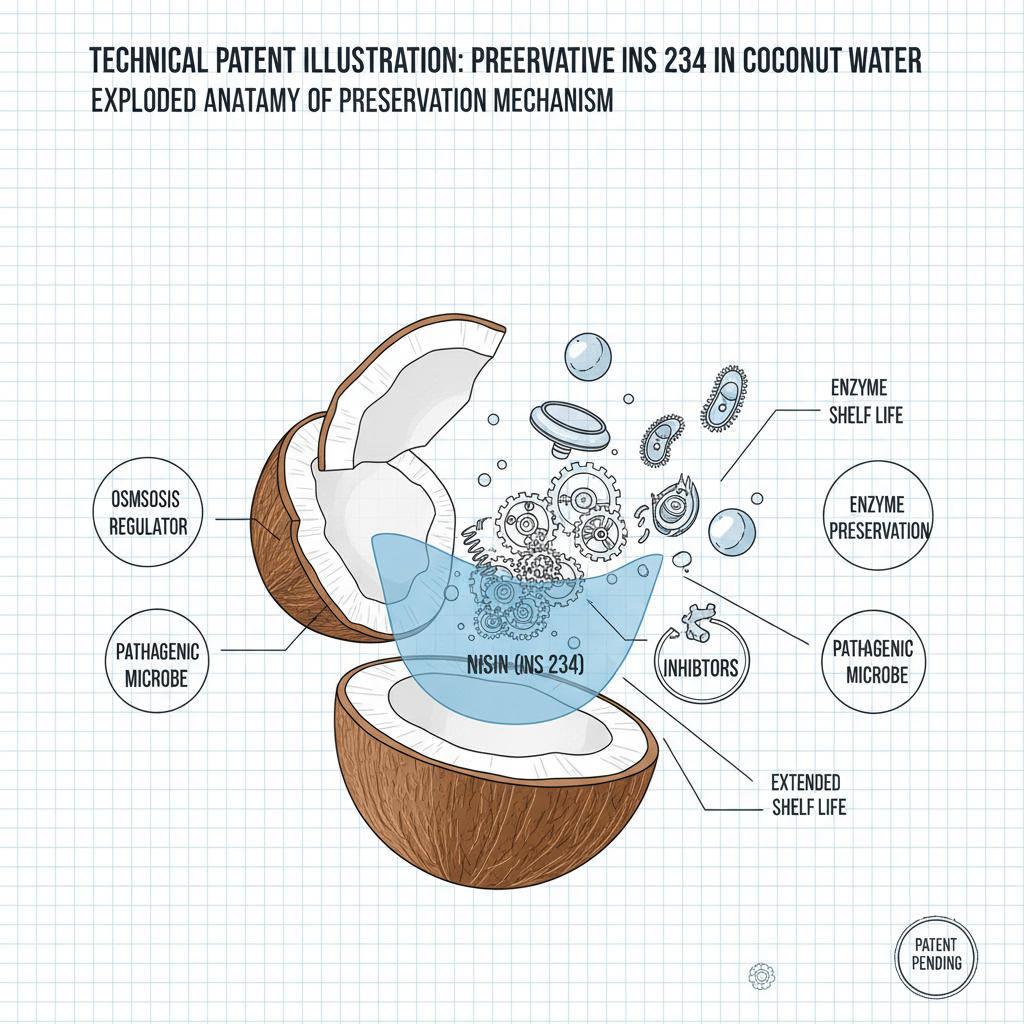
Conclusion: Balancing Preservation and Quality
INS 234 remains a valuable tool for preserving the freshness and extending the shelf life of coconut water. However, responsible application, adherence to regulatory guidelines, and consideration of alternative preservation methods are essential. By carefully balancing preservation needs with consumer expectations for natural and high-quality products, manufacturers can deliver a superior drinking experience. Contact Tenger Chemical for premium Sodium Benzoate and expert technical support.
Frequently Asked Questions (FAQs)
Is Sodium Benzoate harmful to health?
Sodium Benzoate is generally considered safe for consumption at recommended levels by regulatory bodies like the FDA and EFSA. However, some individuals may experience sensitivity, leading to allergic reactions or mild digestive upset. The primary concern arises when Sodium Benzoate reacts with ascorbic acid (Vitamin C) to form benzene, a potential carcinogen. Manufacturers carefully control ingredient levels to minimize this risk. It’s important to consume products within their recommended shelf life and follow storage instructions.
What is the maximum permissible level of INS 234 in coconut water?
The maximum permissible level of Sodium Benzoate in coconut water varies depending on local regulations. In the United States, the FDA allows a maximum of 0.1% (1000 ppm). In Europe, the EFSA has set an Acceptable Daily Intake (ADI) of 5mg/kg body weight. Manufacturers must adhere to these limits to ensure product compliance and consumer safety.
Can INS 234 affect the taste of coconut water?
At recommended levels, Sodium Benzoate typically has a minimal impact on the taste of coconut water. However, higher concentrations can impart a slightly acidic or chemical taste. Proper formulation and careful dosage control are essential to maintain the natural flavor profile of the product. Using high-quality Sodium Benzoate like those available from Tenger Chemical helps minimize any potential taste alterations.
Are there any natural alternatives to Sodium Benzoate?
While no single natural alternative offers the same broad-spectrum antimicrobial activity as Sodium Benzoate, several options can be used in combination to extend shelf life. These include ascorbic acid (Vitamin C), citric acid, and certain essential oils with antimicrobial properties. However, these alternatives often require higher concentrations and may not provide the same level of preservation as Sodium Benzoate.
-
The Essential Guide to Sorbates as Food Preservatives for SafetyNewsApr.16,2026
-
The Ultimate Guide to Sorbate Preservative in Modern IndustryNewsApr.09,2026
-
Comprehensive Guide to Sodium Stearoyl Lactylate Emulsifier Applications and BenefitsNewsApr.07,2026
-
Comprehensive Guide to Sodium Cyclamate Sweetener Properties and ApplicationsNewsApr.04,2026
-
Comprehensive Guide to Sodium Citrate Food Additive and Its ApplicationsNewsMar.31,2026
-
Comprehensive Guide to Sodium Bicarbonate Food Additive Applications and BenefitsNewsMar.28,2026
-
Understanding Sodium Benzoate Preservative in Cosmetics and Its ApplicationsNewsMar.26,2026
Hebei Tenger Chemical Technology Co., Ltd. focuses on the chemical industry and is committed to the export service of chemical raw materials.
-
view more DiethanolisopropanolamineIn the ever-growing field of chemical solutions, diethanolisopropanolamine (DEIPA) stands out as a versatile and important compound. Due to its unique chemical structure and properties, DEIPA is of interest to various industries including construction, personal care, and agriculture. -
view more TriisopropanolamineTriisopropanolamine (TIPA) alkanol amine substance, is a kind of alcohol amine compound with amino and alcohol hydroxyl, and because of its molecules contains both amino and hydroxyl. -
view more Tetramethyl Thiuram DisulfideTetramethyl thiuram disulfide, also known as TMTD, is a white to light-yellow powder with a distinct sulfur-like odor. It is soluble in organic solvents such as benzene, acetone, and ethyl acetate, making it highly versatile for use in different formulations. TMTD is known for its excellent vulcanization acceleration properties, which makes it a key ingredient in the production of rubber products. Additionally, it acts as an effective fungicide and bactericide, making it valuable in agricultural applications. Its high purity and stability ensure consistent performance, making it a preferred choice for manufacturers across various industries.