





Exploring the Uses and Safety of E1400 Food Additive in Our Diet
Understanding E1400 The Food Additive and Its Implications
In the world of food production and preservation, food additives play a crucial role in enhancing the taste, texture, and longevity of various products. Among the myriad of food additives used globally, E1400 stands out as an interesting and often misunderstood component. E1400 is a food thickener derived from starches, commonly known as Modified Starch. It is primarily utilized for its gelling and thickening properties in a wide range of food products.
What is E1400?
E1400 is a modified starch, meaning it is derived from natural starch through a chemical or enzymatic process that alters its molecular structure. This modification allows the starch to perform better in various culinary applications, such as improving texture and stability in food products. As a food additive, E1400 is often used in sauces, dressings, dairy products, and bakery items. Its ability to withstand high temperatures and its resistance to acid make it a popular choice for manufacturers looking to enhance the consistency of their products.
Safety and Regulations
As with any food additive, the safety of E1400 is a significant concern for consumers and regulatory agencies alike. In the European Union, food additives are assigned E-numbers, with E1400 indicating that it has been evaluated and deemed safe for consumption. Regulatory bodies, such as the European Food Safety Authority (EFSA) and the Food and Drug Administration (FDA) in the United States, conduct rigorous assessments of food additives to ensure they do not pose health risks to consumers.
Research has shown that E1400 is generally safe for consumption in moderate amounts. However, like many additives, it is essential for people with specific allergies or dietary restrictions to check product labels. Modified starches can sometimes be derived from sources that may not be suitable for all individuals, including those with gluten intolerance or other food sensitivities.
Applications in the Food Industry
e1400 food additive
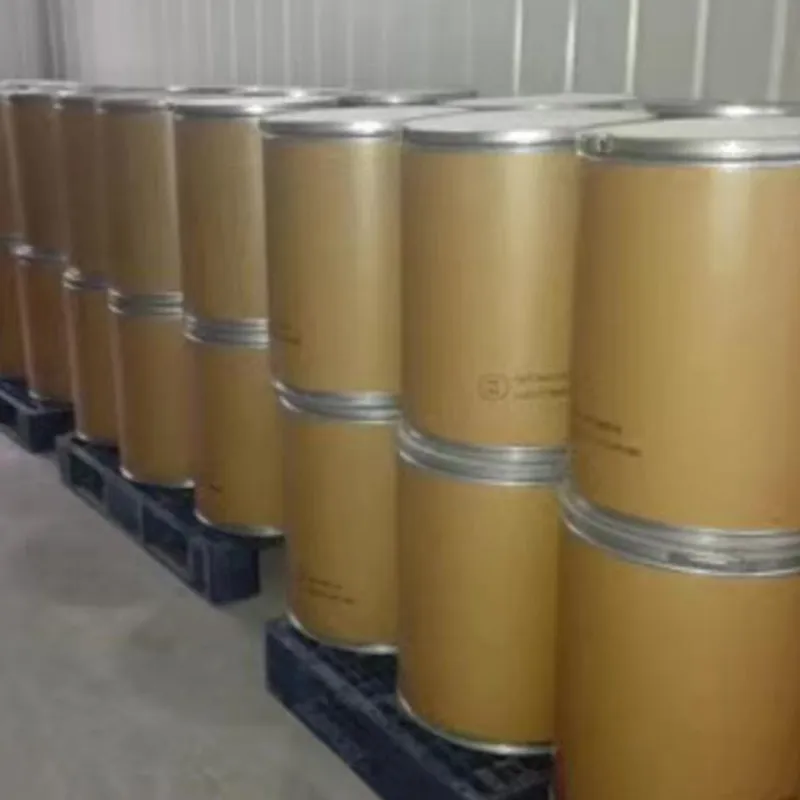
The versatility of E1400 makes it a favored choice among food manufacturers. Its thickening and stabilizing properties can significantly enhance the quality of various products. For example, in the dairy industry, E1400 is used in yogurt and other cream-based products to create a smooth texture and prevent separation. In sauces and gravies, it helps maintain a consistent viscosity, ensuring that the product appeals to consumers.
Additionally, in the realm of bakery items, E1400 is employed to retain moisture and extend shelf life, which is particularly important in commercial baking. With consumers increasingly looking for products that remain fresh for longer periods, this aspect of E1400's functionality becomes invaluable.
Future Trends and Consumer Awareness
As the food industry evolves, so too does the approach to food additives like E1400. There is a growing trend toward clean label products, which emphasize transparency and the use of natural ingredients without artificial additives. This movement reflects a broader consumer demand for quality and integrity in food production. While modified starches, including E1400, are still widely used, manufacturers are increasingly aware of the need to communicate their ingredients effectively to consumers.
Moreover, the rise of plant-based and gluten-free products has led to innovations in how E1400 is formulated and utilized. Food scientists continue to explore new methods of modifying starches to cater to the changing preferences of health-conscious consumers.
Conclusion
In conclusion, E1400 is a vital food additive that plays a significant role in the production and preservation of a wide array of food products. Its ability to enhance texture and stability while ensuring safety through rigorous regulatory standards makes it an essential component in the food industry. As consumer preferences continue to evolve, the future of E1400 and similar additives will likely involve greater innovation and transparency, reflecting a growing desire for wholesome and responsibly produced food. Understanding E1400 and its applications helps consumers make informed choices about the products they consume, ultimately promoting a healthier relationship with food.
-
How to Choose Dimethyl Disulfide DMDS for Industrial UseNewsNov.09,2026
-
Aspartame Buyer FAQ: Sweetness, Specifications and ApplicationsNewsNov.02,2026
-
Aluminum Hydroxide FAQ: Specifications, Ordering and Support QuestionsNewsOct.28,2026
-
Improve Crop Yield with Premium Calcium Boron FertilizerNewsJul.01,2026
-
Ultimate Guide to Cal Mag Fertilizer for Boosting Plant HealthNewsJun.29,2026
-
Maximize Crop Recovery Using High Performance Bounce Back FertilizerNewsJun.27,2026
-
Maximize Crop Yields and Soil Health with Biozyme FertilizerNewsJun.26,2026
Hebei Tenger Chemical Technology Co., Ltd. focuses on the chemical industry and is committed to the export service of chemical raw materials.
-

view more Tplyltriazole(TTA)Tplyltriazole is a powerful and versatile corrosion inhibitor,it is a white particle or powder that is easily hygroscopic and can be processed into large, small, columnar, fine, or powdered shapes.It is a highly effective solution for preventing rust and corrosion on a variety of metal surfaces, making it an ideal choice for a wide range of applications. -

view more Formic AcidFormic acid, is a colorless, pungent-smelling liquid.With its unique properties and diverse applications that serves a wide range of industrial and commercial applications. -

view more Aluminum HydroxideAluminum Hydroxide, a versatile and essential product for a wide range of applications.This product is a white, amorphous powder that is insoluble in water and has a variety of uses in industries such as pharmaceuticals, cosmetics, and manufacturing.