





Understanding E235 Preservative and Its Applications in Food Products
Understanding E235 Preservative Applications and Safety Concerns
In the ever-evolving world of food science, preservatives play a crucial role in extending the shelf life of products. One such preservative, E235, is gaining attention for its properties and potential applications. Understanding E235, including its origin, uses, and safety implications, is essential for consumers and industry professionals alike.
What is E235?
E235, also known as natamycin, is a naturally occurring antifungal agent derived from the bacterium *Streptomyces natalensis*. It is primarily recognized for its effectiveness in inhibiting mold and yeast growth, which makes it a popular choice in the food industry. Unlike some synthetic preservatives, E235 is based on a natural compound, which appeals to both manufacturers and consumers looking for more natural food options.
Applications of E235
E235 is predominantly used in the preservation of dairy products, particularly soft cheeses. These products are particularly vulnerable to mold and spoilage, and the application of natamycin helps prolong their shelf life significantly. The effectiveness of E235 in preventing surface mold growth allows for better maintenance of quality during distribution and storage.
Beyond dairy, E235 is also found in various other food products, including processed meats and some baked goods. Its antifungal properties mean that it can be vital in keeping these foods safe for consumption longer, thus minimizing food waste. Furthermore, E235 can be utilized in non-food applications, such as in pharmaceuticals and cosmetics, where it helps maintain product integrity by preventing microbial growth.
Safety and Regulatory Status
e235 preservative
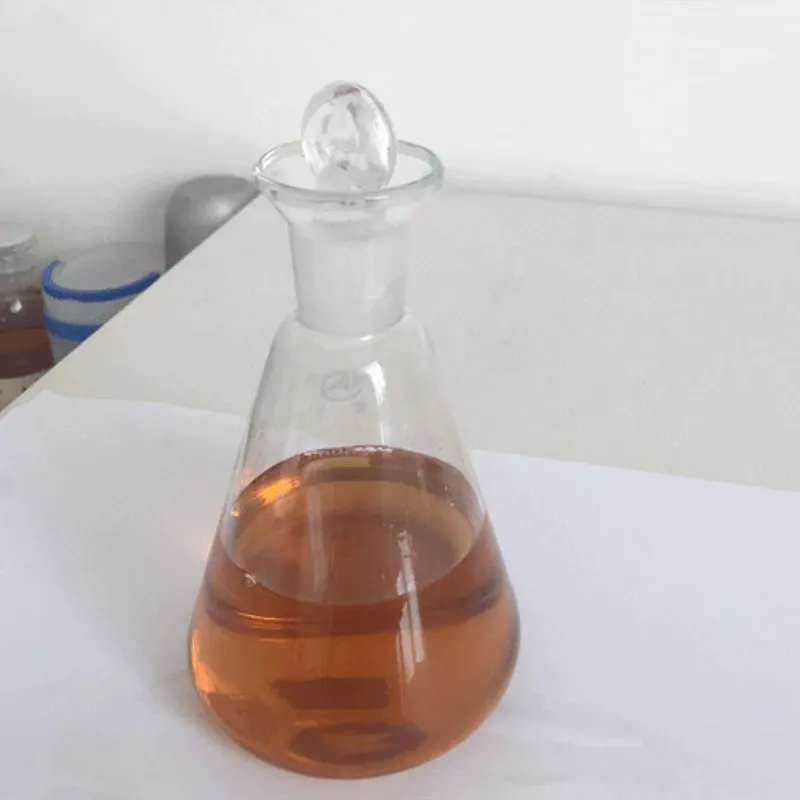
The safety of preservatives like E235 is a topic of ongoing research and scrutiny. Natamycin has been evaluated by several food safety authorities around the world, including the European Food Safety Authority (EFSA) and the U.S. Food and Drug Administration (FDA). Both agencies have deemed E235 safe for use in food products, provided that it is used within specified limits.
However, like all food additives, E235 is subject to regulation. The allowed maximum levels for its use in various products are established to ensure that consumer health is protected. For instance, while E235 can be applied to soft cheeses, it must adhere to strict limits to avoid excessive exposure. As with any food additive, consumers should be aware of the overall dietary intake and consider any personal health sensitivities.
Consumer Considerations
As the food industry increasingly shifts towards transparency and clean-label products, consumers are becoming more aware of what goes into their food. Understanding what E235 is and how it functions can empower consumers to make informed choices about the products they consume.
Some consumers may be skeptical about preservatives, viewing them as unnecessary or harmful. However, it's important to recognize that preservatives like E235 serve a critical role in food safety and waste reduction. In many cases, the absence of preservatives could lead to increased spoilage and, consequently, more waste. Thus, the use of E235 can be justified not only from a practical standpoint but also from an ethical one, considering the global issue of food waste.
Conclusion
E235 (natamycin) stands as a noteworthy example of a food preservative that combines efficacy with a more natural origin. Its applications extend from dairy products to various other food categories, showcasing its versatility in enhancing shelf life and food safety. While consumers should remain informed about the additives in their food, E235's regulatory approval and established safety records provide reassurance that it can be part of a balanced diet.
As the conversation around food additives continues to evolve, E235 exemplifies the balance between preserving food quality and ensuring consumer safety. With responsible usage and ongoing research, preservatives like E235 will continue to play an essential role in the modern food landscape, helping to ensure that consumers have access to fresh, safe, and high-quality products.
-
Aspartame Buyer FAQ: Sweetness, Specifications and ApplicationsNewsNov.02,2026
-
Aluminum Hydroxide FAQ: Specifications, Ordering and Support QuestionsNewsOct.28,2026
-
Improve Crop Yield with Premium Calcium Boron FertilizerNewsJul.01,2026
-
Ultimate Guide to Cal Mag Fertilizer for Boosting Plant HealthNewsJun.29,2026
-
Maximize Crop Recovery Using High Performance Bounce Back FertilizerNewsJun.27,2026
-
Maximize Crop Yields and Soil Health with Biozyme FertilizerNewsJun.26,2026
-
Sustainable Agriculture Guide using bio organic fertilizerNewsJun.25,2026
Hebei Tenger Chemical Technology Co., Ltd. focuses on the chemical industry and is committed to the export service of chemical raw materials.
-

view more Tplyltriazole(TTA)Tplyltriazole is a powerful and versatile corrosion inhibitor,it is a white particle or powder that is easily hygroscopic and can be processed into large, small, columnar, fine, or powdered shapes.It is a highly effective solution for preventing rust and corrosion on a variety of metal surfaces, making it an ideal choice for a wide range of applications. -

view more Formic AcidFormic acid, is a colorless, pungent-smelling liquid.With its unique properties and diverse applications that serves a wide range of industrial and commercial applications. -

view more Aluminum HydroxideAluminum Hydroxide, a versatile and essential product for a wide range of applications.This product is a white, amorphous powder that is insoluble in water and has a variety of uses in industries such as pharmaceuticals, cosmetics, and manufacturing.