





Understanding E406 Food Additive and Its Applications in Food Industry
Understanding E406 A Food Additive in Perspective
In the realm of food additives, E406, commonly known as alginate, has garnered attention for its versatile applications and beneficial properties. Derived from brown seaweed, specifically from the genera Laminaria and Macrocystis, alginate is a natural polysaccharide that plays a vital role in the food industry. This article aims to explore what E406 is, its functions, benefits, and safety concerns associated with its use.
What is E406?
E406, or alginate, is primarily composed of two types of monomer units mannuronic and guluronic acid. The unique structure of alginate allows it to form gels in the presence of calcium ions, making it an excellent thickening, gelling, and stabilizing agent. Its ability to create a gel-like consistency is particularly useful in various food applications, such as in sauces, dressings, yogurt, and even ice creams.
Functions and Applications
The applications of E406 in the food industry are diverse
. Its primary functions include1. Thickening Agent Alginate is commonly used to increase the viscosity of food products. This quality is especially beneficial in dressings and sauces, where a thicker consistency is often desirable.
2. Gelling Agent Alginate’s gelling properties are utilized in many desserts and dairy products. For instance, it is used to make jellies and in the production of low-fat yogurts, where it helps provide a creamy texture without adding significant calories.
3. Stabilizing Agent In emulsions like mayonnaise or salad dressings, alginate helps maintain the mixture’s stability, preventing it from separating and ensuring a uniform texture.
4. Spherification In modern culinary practices, especially in molecular gastronomy, alginate is used for the spherification technique, which creates small spheres that burst in the mouth, adding a novel element to dishes.
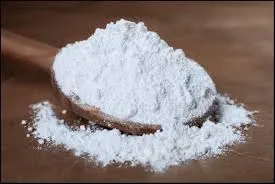
e406 food additive
Health Benefits
Alginate is not only functional but also offers several health benefits. Being a natural product, it is considered safe for consumption. Moreover, it is a source of dietary fiber, which can aid in digestion and promote gut health. Some studies have suggested that alginate can help in the reduction of cholesterol levels and may have beneficial effects on weight management by enhancing satiety.
Safety and Regulatory Status
The safety of food additives is a critical concern for consumers and regulatory bodies alike. E406 has been evaluated by several food safety authorities, including the European Food Safety Authority (EFSA) and the U.S. Food and Drug Administration (FDA). Both organizations have deemed alginate safe for consumption in regulated amounts. However, as with any food additive, excessive consumption may lead to gastrointestinal discomfort in some individuals.
It is also important to note that while alginate is derived from natural sources, food additives can have varying effects on different individuals. People with specific allergies or sensitivities should always consult with healthcare professionals when incorporating foods containing additives into their diets.
Conclusion
E406, or alginate, stands out as a versatile food additive with a broad range of applications in the culinary world. From its thickening and gelling capabilities to its role in modern molecular gastronomy, alginate enhances the texture and experience of food products. Its natural origins and potential health benefits further solidify its status as a prominent ingredient in many diets.
As consumers continue to navigate the complexities of food labeling and additive consumption, understanding the role of additives like E406 can empower informed dietary choices. While safety assessments assure its acceptable use, moderation remains key, and awareness of individual conditions will guide the safe integration of food additives into everyday nutrition.
In conclusion, E406 exemplifies how nature can provide solutions for modern food preparation and formulation. As we continue to explore sustainable and healthy eating practices, natural additives like alginate will likely maintain their significance in enhancing food quality and consumer satisfaction.
-
How to Choose Dimethyl Disulfide DMDS for Industrial UseNewsNov.09,2026
-
Aspartame Buyer FAQ: Sweetness, Specifications and ApplicationsNewsNov.02,2026
-
Aluminum Hydroxide FAQ: Specifications, Ordering and Support QuestionsNewsOct.28,2026
-
Improve Crop Yield with Premium Calcium Boron FertilizerNewsJul.01,2026
-
Ultimate Guide to Cal Mag Fertilizer for Boosting Plant HealthNewsJun.29,2026
-
Maximize Crop Recovery Using High Performance Bounce Back FertilizerNewsJun.27,2026
-
Maximize Crop Yields and Soil Health with Biozyme FertilizerNewsJun.26,2026
Hebei Tenger Chemical Technology Co., Ltd. focuses on the chemical industry and is committed to the export service of chemical raw materials.
-

view more Tplyltriazole(TTA)Tplyltriazole is a powerful and versatile corrosion inhibitor,it is a white particle or powder that is easily hygroscopic and can be processed into large, small, columnar, fine, or powdered shapes.It is a highly effective solution for preventing rust and corrosion on a variety of metal surfaces, making it an ideal choice for a wide range of applications. -

view more Formic AcidFormic acid, is a colorless, pungent-smelling liquid.With its unique properties and diverse applications that serves a wide range of industrial and commercial applications. -

view more Aluminum HydroxideAluminum Hydroxide, a versatile and essential product for a wide range of applications.This product is a white, amorphous powder that is insoluble in water and has a variety of uses in industries such as pharmaceuticals, cosmetics, and manufacturing.