





Exploring the Benefits and Uses of Lecithin as a Food Emulsifier
Emulsifier Lecithin The Unsung Hero of the Culinary World
Lecithin is a naturally occurring emulsifier that has gained significant attention in both the food industry and culinary arts. This phospholipid compound is primarily derived from sources such as soybeans, egg yolks, sunflowers, and canola. Its unique molecular structure enables it to interact with both water and fats, making it an essential ingredient in many recipes and food products. This article explores the properties, functions, applications, and health implications of lecithin as an emulsifier.
What is Lecithin?
Lecithin is a complex mixture of fatty substances that are essential to various biological processes. The word lecithin comes from the Greek word lekithos, meaning egg yolk, where it was first discovered. Lecithin consists mainly of phospholipids, triglycerides, and fatty acids. Phosphatidylcholine is the most abundant phospholipid in lecithin and serves as a key emulsifier. The emulsifying properties of lecithin stem from its amphiphilic nature, wherein one end of the molecule is hydrophilic (water-attracting) and the other is hydrophobic (water-repelling).
The Role of Lecithin as an Emulsifier
Emulsifiers are vital for stabilizing mixtures of oil and water, which traditionally do not mix well. Lecithin acts as a bridge between these two components, allowing them to blend seamlessly. In cooking, lecithin is advantageous in recipes such as mayonnaise, salad dressings, and sauces, where it helps create a smooth, stable emulsion. It reduces the surface tension between oil and water phases, resulting in a uniform texture.
In the food processing industry, lecithin serves various roles beyond emulsification. It enhances the texture and mouthfeel of products, improves shelf life, and aids in preventing separation of ingredients. It is commonly found in baked goods, chocolates, margarine, dairy products, and nutritional supplements, making it an incredibly versatile ingredient.
Health Benefits of Lecithin
emulsifier lecithin
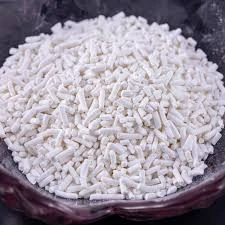
Aside from its culinary uses, lecithin is also recognized for its potential health benefits. It is rich in choline, an essential nutrient that supports brain health, liver function, and cellular structure. Some studies suggest that choline may help improve memory and cognitive function, making lecithin a popular addition to dietary supplements aimed at supporting brain health.
Additionally, lecithin may play a role in lowering cholesterol levels. Phospholipids in lecithin can help emulsify fats, aiding the body in processing and eliminating cholesterol more efficiently. This feature has positioned lecithin as a component in heart-healthy diets.
Despite these benefits, it is essential to consume lecithin in moderation. While it is generally recognized as safe (GRAS) by the U.S. Food and Drug Administration (FDA), excessive intake may cause gastrointestinal discomfort in some individuals. Those with allergies to soy or egg should avoid lecithin derived from these sources.
Lecithin in Vegan and Allergy-Friendly Cooking
As the culinary landscape evolves, so does the demand for vegan and allergy-friendly alternatives. Lecithin derived from sunflower or canola oil has gained popularity for those seeking plant-based emulsifiers, providing similar benefits without the use of animal products. This shift has made it easier for chefs and home cooks alike to create dishes that cater to various dietary restrictions and preferences.
Conclusion
Lecithin is an exceptional emulsifier that plays a vital role in both the food industry and home cooking. Its ability to stabilize and enhance a wide range of food products makes it an invaluable ingredient. Furthermore, its potential health benefits contribute to its widespread use in dietary supplements. As the culinary world continues to experiment with innovative recipes and dietary preferences, lecithin stands out as an unsung hero, bridging the gap between texture, flavor, and nutrition. Whether in a homemade salad dressing or a processed food product, lecithin undoubtedly enhances our dining experience while offering promising health benefits. So, the next time you enjoy a creamy dip or a smooth chocolate treat, take a moment to appreciate this remarkable emulsifier that works behind the scenes.
-
How to Choose Dimethyl Disulfide DMDS for Industrial UseNewsNov.09,2026
-
Aspartame Buyer FAQ: Sweetness, Specifications and ApplicationsNewsNov.02,2026
-
Aluminum Hydroxide FAQ: Specifications, Ordering and Support QuestionsNewsOct.28,2026
-
Improve Crop Yield with Premium Calcium Boron FertilizerNewsJul.01,2026
-
Ultimate Guide to Cal Mag Fertilizer for Boosting Plant HealthNewsJun.29,2026
-
Maximize Crop Recovery Using High Performance Bounce Back FertilizerNewsJun.27,2026
-
Maximize Crop Yields and Soil Health with Biozyme FertilizerNewsJun.26,2026
Hebei Tenger Chemical Technology Co., Ltd. focuses on the chemical industry and is committed to the export service of chemical raw materials.
-

view more Tplyltriazole(TTA)Tplyltriazole is a powerful and versatile corrosion inhibitor,it is a white particle or powder that is easily hygroscopic and can be processed into large, small, columnar, fine, or powdered shapes.It is a highly effective solution for preventing rust and corrosion on a variety of metal surfaces, making it an ideal choice for a wide range of applications. -

view more Formic AcidFormic acid, is a colorless, pungent-smelling liquid.With its unique properties and diverse applications that serves a wide range of industrial and commercial applications. -

view more Aluminum HydroxideAluminum Hydroxide, a versatile and essential product for a wide range of applications.This product is a white, amorphous powder that is insoluble in water and has a variety of uses in industries such as pharmaceuticals, cosmetics, and manufacturing.