





Exploring the Role of Coloring Agents in Food Products and Their Impact on Consumers
The Role of Coloring Agents in Food
Coloring agents, also known as color additives or colorants, play a crucial role in the food industry, influencing both the visual appeal and consumer perception of food products. These substances are used to enhance, restore, or provide color to food, making it more attractive and appetizing. This article explores the types, purposes, regulations, and health considerations associated with coloring agents in food.
Types of Coloring Agents
Coloring agents can be broadly categorized into two main types natural and synthetic
.1. Natural Coloring Agents Natural colorants are derived from plant, animal, or mineral sources. Common examples include beet juice for red, turmeric for yellow, and spirulina for blue. Natural colorants are often perceived as healthier alternatives to synthetic ones, as they are less likely to cause allergic reactions and are free from artificial additives. However, their color-strengthening abilities may vary, and they may not be as vibrant or stable under certain conditions.
2. Synthetic Coloring Agents Synthetic colorants are chemically manufactured and are often used for their vibrant colors and stability. Examples include Yellow 5 (Tartrazine), Red 40 (Allura Red), and Blue 1 (Brilliant Blue). These agents are widely used due to their consistency and the wide range of colors they can produce. However, some synthetic colorants have come under scrutiny for their potential health effects, raising questions about their safety in food products.
Purposes of Coloring Agents
coloring agent in food
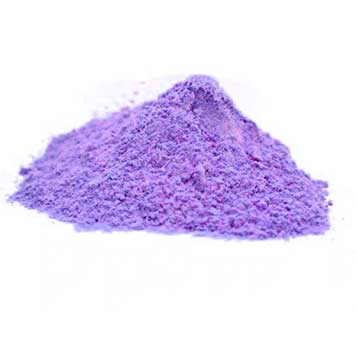
The primary purpose of coloring agents is to enhance the aesthetic appeal of food. A visually appealing product can attract consumers and influence their purchasing decisions. Color can also be vital in product differentiation, helping distinguish between flavors and variations of the same product. Additionally, food coloring can be used to compensate for color loss during processing and storage, ensuring that products appear fresh and enticing.
Furthermore, color plays a significant role in signaling flavors and quality. For example, consumers often associate certain colors with specific flavors; a bright red color in a juice may lead to the expectation of a sweet taste, while a green color may evoke the freshness of mint or apple.
Regulations and Safety
The use of coloring agents in food is regulated by various government bodies worldwide to ensure consumer safety. In the United States, the Food and Drug Administration (FDA) evaluates and approves color additives under the Federal Food, Drug, and Cosmetic Act. These regulations require manufacturers to demonstrate that their color additives are safe for consumption at intended levels.
Despite these regulations, concerns about the potential health effects of certain synthetic colorants persist. Some studies have suggested a link between artificial color additives and hyperactivity in children, leading parents and health advocates to push for clearer labeling and stricter regulations. As a result, many brands are opting for natural colorants in response to consumer demand for more transparent and health-conscious food options.
Conclusion
Coloring agents are an integral part of the food industry, enhancing visual appeal and influencing consumer choice. While natural colorants offer a more health-conscious alternative, synthetic colorants continue to be used for their stability and vibrancy. As regulations evolve and consumer preferences shift towards healthier options, the future of food coloring may see a greater emphasis on natural ingredients, leading to a more colorful yet safe food landscape. Understanding the role and implications of coloring agents is essential for consumers, producers, and regulators alike, ensuring a balance between aesthetic appeal and health consciousness in our food supply.
-
How to Choose Dimethyl Disulfide DMDS for Industrial UseNewsNov.09,2026
-
Aspartame Buyer FAQ: Sweetness, Specifications and ApplicationsNewsNov.02,2026
-
Aluminum Hydroxide FAQ: Specifications, Ordering and Support QuestionsNewsOct.28,2026
-
Improve Crop Yield with Premium Calcium Boron FertilizerNewsJul.01,2026
-
Ultimate Guide to Cal Mag Fertilizer for Boosting Plant HealthNewsJun.29,2026
-
Maximize Crop Recovery Using High Performance Bounce Back FertilizerNewsJun.27,2026
-
Maximize Crop Yields and Soil Health with Biozyme FertilizerNewsJun.26,2026
Hebei Tenger Chemical Technology Co., Ltd. focuses on the chemical industry and is committed to the export service of chemical raw materials.
-

view more Tplyltriazole(TTA)Tplyltriazole is a powerful and versatile corrosion inhibitor,it is a white particle or powder that is easily hygroscopic and can be processed into large, small, columnar, fine, or powdered shapes.It is a highly effective solution for preventing rust and corrosion on a variety of metal surfaces, making it an ideal choice for a wide range of applications. -

view more Formic AcidFormic acid, is a colorless, pungent-smelling liquid.With its unique properties and diverse applications that serves a wide range of industrial and commercial applications. -

view more Aluminum HydroxideAluminum Hydroxide, a versatile and essential product for a wide range of applications.This product is a white, amorphous powder that is insoluble in water and has a variety of uses in industries such as pharmaceuticals, cosmetics, and manufacturing.