





Food Additives Used In Bakery Products | Expert Solutions by Tenger Chemical
Food Additives Used In Bakery Products is a key solution in the industry, specifically within the realm of baking and food manufacturing. This article explores how Tenger Chemical supports professionals with durable, high-performance products, and explains why this product is an ideal choice for businesses in these sectors.
Table of Contents
- Food Additives Used In Bakery Products Overview
- Benefits & Use Cases of Food Additives Used In Bakery Products
- Cost, Maintenance & User Experience
- Sustainability & Market Trends
Food Additives Used In Bakery Products Overview
When we talk about Food Additives Used In Bakery Products, the phrase covers a broad range of chemical agents added to bakery goods to improve qualities like texture, shelf life, appearance, and taste. Basically, these additives are the silent partners in your favorite bread, cakes, and pastries — you hardly notice them, but they make all the difference when it comes to consistency and safety. Frankly, in the high-paced world of industrial bakery production, relying on such additives is almost non-negotiable.
Technically, these additives can be emulsifiers, preservatives, enzymes, or improvers that interact chemically with dough or batter, directing the final product’s behavior under various conditions. For example, sodium stearoyl lactylate (SSL) is widely used to strengthen dough and improve volume. Case studies from manufacturers highlight how integrating these additives cut down wastage by 10–15%, which is no small feat when margins are tight. Oddly enough, details like particle size and solubility often determine performance, so supplier expertise really matters.
| Additive | Function | Typical Usage Rate | Impact on Product |
|---|---|---|---|
| Sodium Stearoyl Lactylate (SSL) | Dough conditioner, emulsifier | 0.25% - 0.5% | Improves dough strength and volume |
| Calcium Propionate | Preservative | 0.1% - 0.3% | Extends shelf life by inhibiting mold |
| Ascorbic Acid | Oxidizing agent | 0.01% - 0.05% | Improves dough elasticity and crumb structure |
Benefits & Use Cases of Food Additives Used In Bakery Products
In real terms, these additives help industrial bakeries streamline production by stabilizing dough quality even when environmental factors fluctuate — which they always do. For instance, using emulsifiers keeps dough textures consistent, enabling manufacturers to produce large batches while maintaining product uniformity. The features that set top-tier additives apart tend to be purity, reliable functionality, and compliance with relevant food safety regulations.
Tenger Chemical’s range of food additives is particularly well-regarded because of high-quality sourcing and formulation precision. Many professionals say their additives reduce downtime thanks to easier integration during automated mixing processes. In terms of use cases, think beyond bread: cakes, cookies, croissants, and even specialty gluten-free products often rely on these agents to replace traditional improvers or enhance shelf life without artificial flavoring. Oddly enough, one client in Asia noted their product became less crumbly and transported better after swapping to Tenger additives — small details, but big results.
Cost, Maintenance & User Experience
Looking at the total cost of ownership, food additives may seem like a marginal expense compared to raw ingredients, but their impact on yield and shelf life translates directly to cost savings. Durability here means stability in various storage and processing conditions — you don’t want your additive to degrade during transport or lose efficacy under heat. Tenger Chemical emphasizes robust packaging and quality control to ensure this reliability, which frankly makes a difference when supply chain disruptions eat away at schedules.
User feedback from bakeries, particularly mid-size industrial plants, praises the ease of dosage control and consistent performance. One customer case involved switching to Tenger’s additives from a generic brand, which halved their product returns due to spoilage. Considering ROI, the upfront price is balanced by fewer rejected batches, less waste, and sometimes reduced insurance premiums for food safety compliance. Oddly enough, maintenance in this context is more about storage conditions—keeping additives dry and cool — but even that logistical consideration is crucial.
| Vendor | Product Purity | Regulatory Compliance | Pricing | Customer Support |
|---|---|---|---|---|
| Tenger Chemical | >99.5% | FDA, EU, ISO | Competitive | 24/7 Technical Support |
| Competitor A | ~98% | FDA, partially EU | Higher | Business Hours Only |
| Competitor B | ~97.5% | Limited Certifications | Lower | No Direct Support |
Sustainability & Market Trends
Sustainability and regulatory pressure increasingly shape the bakery additives market. Companies are seeking additives that do more with less, perhaps with a “clean label” story that appeals to more conscious consumers. This means biodegradable, non-toxic, or naturally derived additives gain favor, and suppliers like Tenger Chemical are innovating accordingly. Regulations such as those by the FDA and EFSA keep producers on their toes, pushing transparency and safe ingredient sourcing.
Market growth, frankly, reflects consumer demand for higher quality bakery items with longer shelf life but fewer artificial preservatives. Oddly enough, this paradox pushes manufacturers to find additives that maintain product integrity without compromising “natural” claims. There’s also a push for global harmonization of standards, which frankly makes vendor selection a bit less daunting. In the end, the winners in this space will be those who combine technical excellence with environmental responsibility.
Frequently Asked Questions about Food Additives Used In Bakery Products
- What is Food Additives Used In Bakery Products and how does it work?
- These additives are substances incorporated into bakery products to improve characteristics like texture, shelf life, and appearance. They interact chemically or physically with dough and ingredients, enhancing quality and consistency during production and storage.
- What are the main benefits of using Food Additives Used In Bakery Products in industrial applications?
- Key benefits include improved dough handling, extended shelf life, consistent product quality, and reduced spoilage. They also enhance production efficiency by stabilizing ingredients and reducing waste.
- How does Food Additives Used In Bakery Products compare to traditional alternatives?
- Compared to traditional improvers and preservatives, modern additives offer better precision, compliance with food safety standards, and often a cleaner ingredient profile. They are typically more effective in small quantities and easier to integrate into automated processes.
- What industries can benefit most from Food Additives Used In Bakery Products implementation?
- Beyond bakeries, industries like snack manufacturers, frozen food producers, and gluten-free product makers can gain significant advantages from these additives, improving product stability and consumer appeal.
Conclusion on Food Additives Used In Bakery Products from china
In summary, Food Additives Used In Bakery Products represent a vital toolkit for modern bakery production that blends science with practicality. The right additives can improve product quality, extend shelf life, and enhance efficiency — all important in a competitive market. If you’re looking for reliable, expertly formulated options that have your back through thick batter and thin dough, Tenger Chemical is definitely worth exploring.
- Recap the value of Food Additives Used In Bakery Products, especially their role in consistent, safe, and delicious baked goods.
- - Visit our website: https://www.tengerchemical.com
After all, while the ingredients in bakery products may seem straightforward, there’s a surprising science behind that perfect loaf or cake slice. Food additives are a quietly indispensable part of that magic.
-
The Essential Guide to Sorbates as Food Preservatives for SafetyNewsApr.16,2026
-
The Ultimate Guide to Sorbate Preservative in Modern IndustryNewsApr.09,2026
-
Comprehensive Guide to Sodium Stearoyl Lactylate Emulsifier Applications and BenefitsNewsApr.07,2026
-
Comprehensive Guide to Sodium Cyclamate Sweetener Properties and ApplicationsNewsApr.04,2026
-
Comprehensive Guide to Sodium Citrate Food Additive and Its ApplicationsNewsMar.31,2026
-
Comprehensive Guide to Sodium Bicarbonate Food Additive Applications and BenefitsNewsMar.28,2026
-
Understanding Sodium Benzoate Preservative in Cosmetics and Its ApplicationsNewsMar.26,2026
Hebei Tenger Chemical Technology Co., Ltd. focuses on the chemical industry and is committed to the export service of chemical raw materials.
-
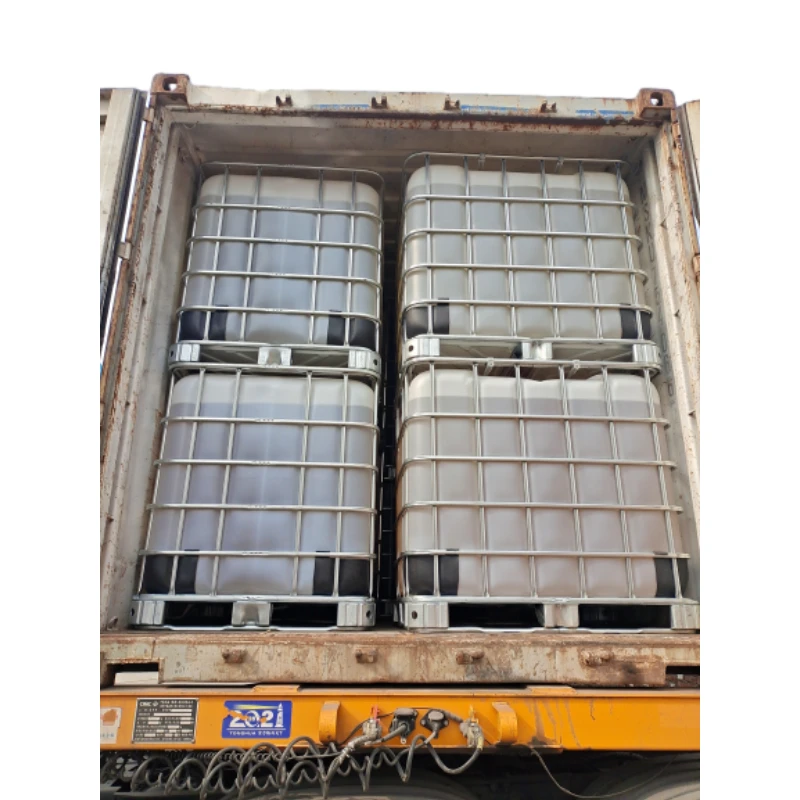
view more DiethanolisopropanolamineIn the ever-growing field of chemical solutions, diethanolisopropanolamine (DEIPA) stands out as a versatile and important compound. Due to its unique chemical structure and properties, DEIPA is of interest to various industries including construction, personal care, and agriculture. -
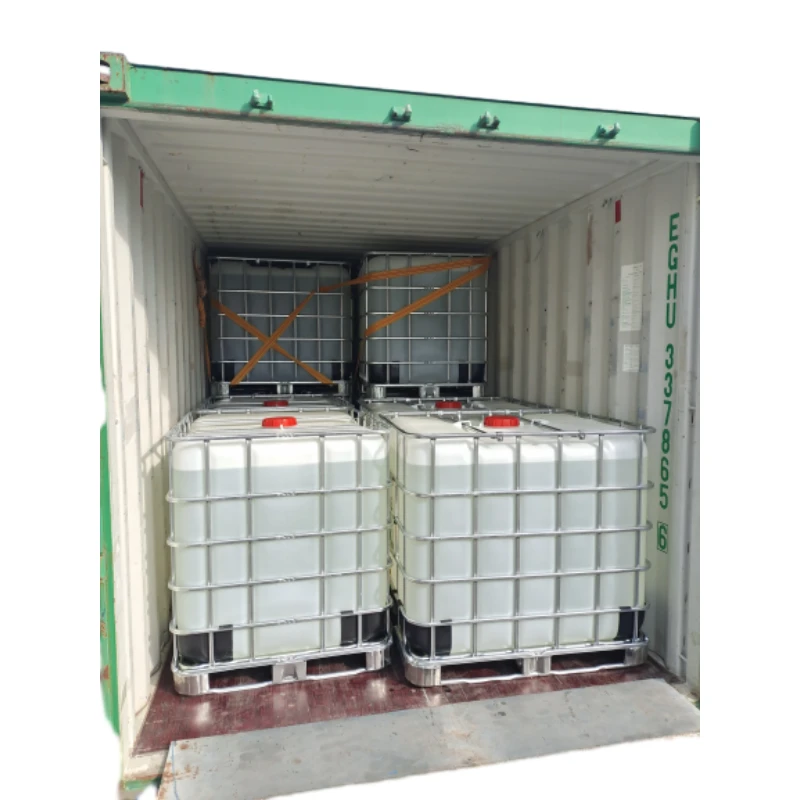
view more TriisopropanolamineTriisopropanolamine (TIPA) alkanol amine substance, is a kind of alcohol amine compound with amino and alcohol hydroxyl, and because of its molecules contains both amino and hydroxyl. -
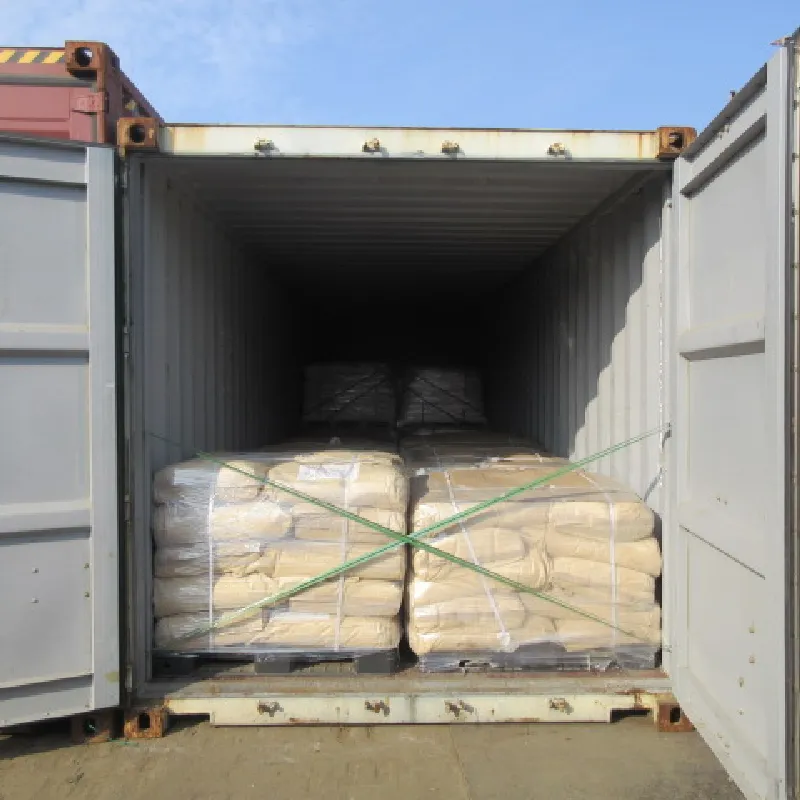
view more Tetramethyl Thiuram DisulfideTetramethyl thiuram disulfide, also known as TMTD, is a white to light-yellow powder with a distinct sulfur-like odor. It is soluble in organic solvents such as benzene, acetone, and ethyl acetate, making it highly versatile for use in different formulations. TMTD is known for its excellent vulcanization acceleration properties, which makes it a key ingredient in the production of rubber products. Additionally, it acts as an effective fungicide and bactericide, making it valuable in agricultural applications. Its high purity and stability ensure consistent performance, making it a preferred choice for manufacturers across various industries.