





Food Enhancer 635: What It Is, Why It Matters & Global Benefits Explained
Understanding Food Enhancer 635: What It Is and Why It Matters Globally
When we talk about food enhancer 635, many might just brush it off as another additive with a complex number — but, frankly, it’s one of those quietly powerful ingredients that shape how we experience food worldwide. Put simply, food enhancer 635 is a flavor enhancer that’s used widely in processed foods to boost umami and make flavors pop a bit more. Its role isn’t just about taste; it’s woven deeply into the global food industry's efforts to provide affordable, tasty, and consistent products.
Why should we care, you ask? Well, global food security and sustainability hinge partly on how we maximize the quality and shelf-life of food without breaking budgets or compromising health. Food enhancer 635 plays a role in that balancing act, making it an essential player in modern food science.
Mini takeaway: Food enhancer 635 isn’t just an additive — it’s a global food technology staple, key to affordability, flavor, and consistency.
Food Enhancer 635 in the Global Context
Globally, food additive consumption is rising. According to the United Nations’ Food and Agriculture Organization (FAO), processed food sales have grown by around 80% over two decades. Within this boom, food enhancers like 635 are used to meet ever-growing demand for flavor and shelf stability, all while maintaining cost-efficiency. In developing countries, where nutrient-dense foods can be scarce, these enhancers help create palatable options that support nutritional programs.
Yet challenges remain — consumer skepticism about additives, regulatory complexities, and the need for sustainable sourcing all present hurdles industry players face daily. The rise of clean-label trends means that even established enhancers like 635 are undergoing scrutiny and innovation to be smarter, safer, and more transparent.
Mini takeaway: Food enhancer 635 supports the global food industry's massive scale but also faces modern challenges of trust and sustainability.
Defining Food Enhancer 635
Food enhancer 635 is technically known as Disodium 5'-ribonucleotide. It’s a potent flavor enhancer often combined with monosodium glutamate (MSG) to elevate the umami sensation in foods. Umami, often described as the savory “fifth taste,” is crucial for improving palatability in products ranging from soups and snacks to processed meats and seasonings.
Its use extends beyond flavor enhancement; in humanitarian contexts, for instance, where ready-to-eat meals are commonplace, enhancer 635 helps improve acceptance and nutritional intake among populations with limited food options.
Mini takeaway: Food enhancer 635 is a scientifically defined flavor booster that enriches umami and enhances food enjoyment worldwide.
Key Factors and Core Components of Food Enhancer 635
1. Potency and Synergy
Enhancer 635 is particularly valued for its synergy with MSG — when combined, their flavor enhancement is greater than the sum of their parts. This means manufacturers can use less of each additive while achieving maximum effect, which reduces costs and potential side effects.
2. Versatility
It works well in a wide range of products: canned soups, instant noodles, frozen meals, snacks, and more. Its stability under heat and acidic conditions also makes it ideal for processing.
3. Regulatory Status
Approved by major food safety authorities such as the FDA and EFSA, enhancer 635 is classified as safe when used within specified limits, though labeling laws may vary by region.
4. Cost Efficiency
Because a little goes a long way, producer cost per unit impact is relatively low. This economic factor has helped push its widespread adoption, especially in price-sensitive markets.
5. Production Origins
Typically derived from yeast extract or fermentation processes, the sustainability of raw materials is becoming an increasing concern, prompting research into greener production methods.
6. Consumer Perception
Oddly enough, despite official safety, some consumers associate food enhancers with “unnatural” additives, which influences labeling and marketing strategies significantly.
Mini takeaway: Food enhancer 635 balances potency, versatility, cost, and safety, though it’s wrapped in evolving consumer attitudes.
Global Applications and Use Cases of Food Enhancer 635
From Asia’s instant noodle market — a multi-billion dollar industry — to Western snack foods and even food aid programs distributed by the World Food Programme, enhancer 635 has found a niche everywhere. In post-disaster relief operations, for example, ready meals enhanced with 635 help improve acceptance and nutritional intake.
In industrial zones and remote areas where fresh produce is scarce, packaged foods with enhancer 635 ensure palatable meals without the need for refrigeration or quick consumption. It’s fascinating how one additive links convenience, preservation, and taste across so many disparate settings.
| Characteristic | Specification |
|---|---|
| Appearance | White crystalline powder |
| Purity | ≥ 98% |
| Solubility | Soluble in water |
| pH (1% solution) | 6.0–8.0 |
| Moisture | ≤ 2% |
Mini takeaway: Food enhancer 635 is a robust, well-characterized ingredient with global applications—from daily snacks to emergency relief.
Advantages and Long-Term Value of Food Enhancer 635
- Cost Savings: Enhanced flavor reduces the need for expensive raw ingredients.
- Improved Consumer Acceptance: Tastier foods support better nutrition and customer loyalty.
- Sustainability Potential: When sourced responsibly, it’s part of reducing waste and energy in food production.
- Reliability: Standardized quality ensures consistent product performance.
- Social Impact: Helps improve food security in underserved populations.
On an emotional level, food that tastes good and satisfies cravings isn't just about indulgence; it’s about dignity and the joy of eating—a connection that enhancer 635 quietly supports in many corners of the world.
Mini takeaway: Beyond economics, food enhancer 635 brings real social value by making food both affordable and enjoyable.
Future Trends and Innovations in Food Enhancer 635
Innovation here is moving towards cleaner label versions, driven by consumer demand for transparency. We're also seeing research into plant-based and fermentation-derived enhancers to replace synthetic ones. Automation in manufacturing processes is improving purity and reducing variability. Meanwhile, digital tracking and blockchain might soon assure consumers of quality and origin in ways unthinkable a decade ago.
Oddly enough, while the world craves “natural” food, technology continues to quietly enhance how we experience flavors — often behind the scenes.
Challenges and Solutions in Using Food Enhancer 635
Challenges include consumer mistrust, potential regulatory restrictions, and environmental impact from raw material sourcing. To mitigate these, transparency in labeling, cleaner sourcing methods, and ongoing toxicological assessments are essential. Industry leaders advocate for education campaigns to demystify enhancers and promote balanced understanding.
FAQ: Frequently Asked Questions About Food Enhancer 635
- Is food enhancer 635 safe for all consumers?
- Yes, regulatory bodies such as the FDA and EFSA have approved it as safe within the recommended usage levels. However, individuals sensitive to nucleotides should consult healthcare advice.
- How is food enhancer 635 different from MSG?
- Enhancer 635 is a compound of disodium inosinate and disodium guanylate; it works synergistically with MSG to amplify the umami taste, but chemically they are distinct substances.
- Can food enhancer 635 be used in vegetarian or vegan products?
- Yes, since it is primarily derived from yeast fermentation or plant sources, many vegan producers use it; however, it’s always good to check the specific supplier's sourcing.
- Why do some products list both MSG and enhancer 635?
- Because their combination delivers a stronger umami flavor than either alone, allowing manufacturers to use less additive overall for improved taste.
- How can manufacturers source high-quality enhancer 635?
- Reputable suppliers with ISO 22000 certification and transparent sourcing policies are preferred. Comparing vendor qualifications helps ensure product safety and consistency.
Vendor Comparison for Food Enhancer 635
| Vendor | Purity (%) | Price (per kg) | Sustainability Certification | Lead Time |
|---|---|---|---|---|
| Tenger Chemical Co. | ≥ 99% | $20 | ISO 14001 | 2–3 weeks |
| Global Flavors Inc. | 98% | $22 | None listed | 4 weeks |
| Nature’s Extracts | ≥ 98% | $24 | Organic Certified | 3 weeks |
Conclusion: The Long-Term Benefits of Food Enhancer 635
In sum, food enhancer 635 is a deceptively simple yet critically important ingredient, quietly improving food quality, affordability, and acceptance worldwide. As the food industry evolves — embracing sustainability, health-consciousness, and digital innovation — enhancers like 635 will be reshaped but remain crucial. For businesses seeking reliable, high-quality supply of this enhancer, checking out trusted suppliers like food enhancer 635 producers could be the next smart step.
So, whether you’re innovating in product development or managing sourcing, understanding enhancer 635 is more than a technical detail — it’s an insight into global food trends and human tastes, intertwined. Curious to learn more? Visit us at https://www.tengerchemical.com.
Oddly enough, these small molecules carry a big story about flavor, culture, and sustainability. It feels like every bite enhanced with 635 connects science to everyday joy — fascinating, isn’t it?
-
The Essential Guide to Sorbates as Food Preservatives for SafetyNewsApr.16,2026
-
The Ultimate Guide to Sorbate Preservative in Modern IndustryNewsApr.09,2026
-
Comprehensive Guide to Sodium Stearoyl Lactylate Emulsifier Applications and BenefitsNewsApr.07,2026
-
Comprehensive Guide to Sodium Cyclamate Sweetener Properties and ApplicationsNewsApr.04,2026
-
Comprehensive Guide to Sodium Citrate Food Additive and Its ApplicationsNewsMar.31,2026
-
Comprehensive Guide to Sodium Bicarbonate Food Additive Applications and BenefitsNewsMar.28,2026
-
Understanding Sodium Benzoate Preservative in Cosmetics and Its ApplicationsNewsMar.26,2026
Hebei Tenger Chemical Technology Co., Ltd. focuses on the chemical industry and is committed to the export service of chemical raw materials.
-
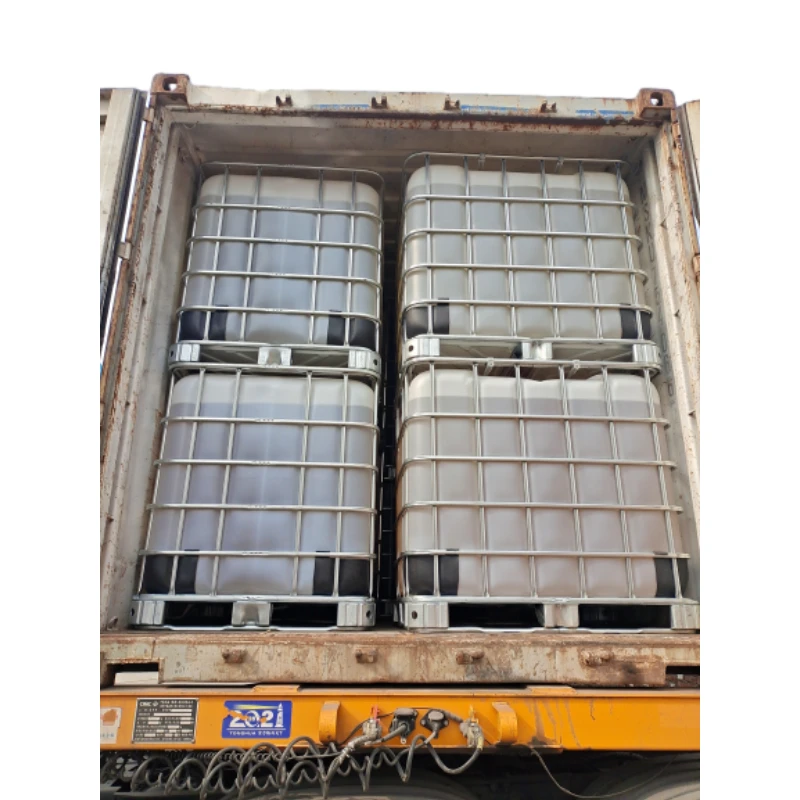
view more DiethanolisopropanolamineIn the ever-growing field of chemical solutions, diethanolisopropanolamine (DEIPA) stands out as a versatile and important compound. Due to its unique chemical structure and properties, DEIPA is of interest to various industries including construction, personal care, and agriculture. -
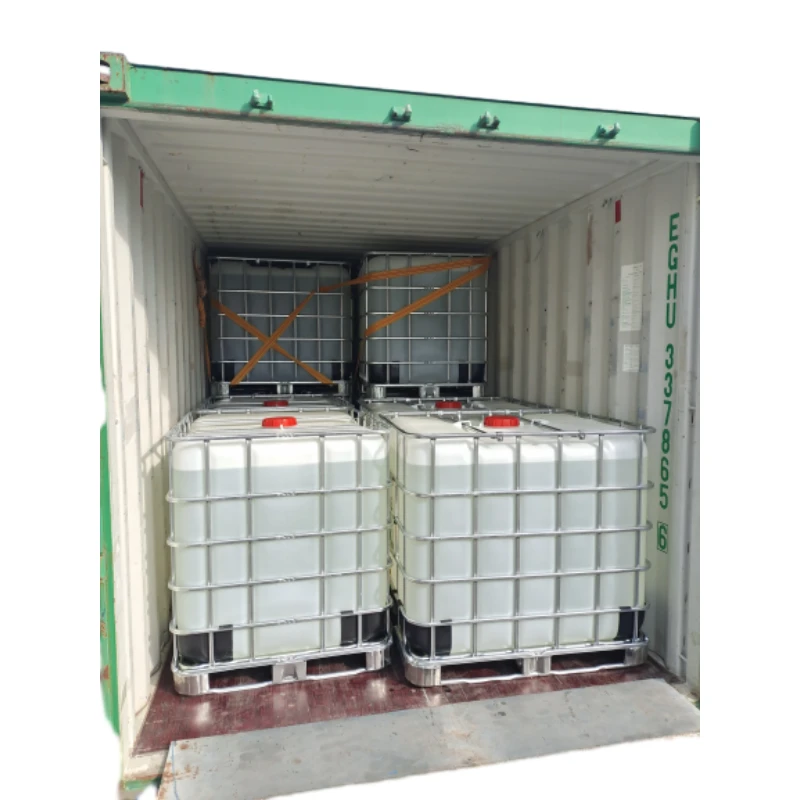
view more TriisopropanolamineTriisopropanolamine (TIPA) alkanol amine substance, is a kind of alcohol amine compound with amino and alcohol hydroxyl, and because of its molecules contains both amino and hydroxyl. -
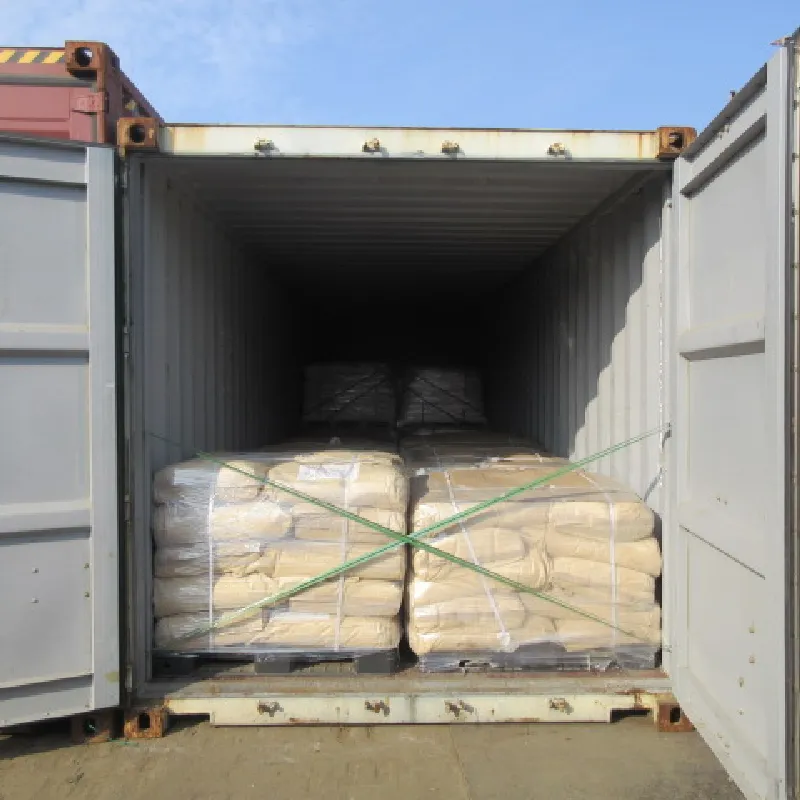
view more Tetramethyl Thiuram DisulfideTetramethyl thiuram disulfide, also known as TMTD, is a white to light-yellow powder with a distinct sulfur-like odor. It is soluble in organic solvents such as benzene, acetone, and ethyl acetate, making it highly versatile for use in different formulations. TMTD is known for its excellent vulcanization acceleration properties, which makes it a key ingredient in the production of rubber products. Additionally, it acts as an effective fungicide and bactericide, making it valuable in agricultural applications. Its high purity and stability ensure consistent performance, making it a preferred choice for manufacturers across various industries.