





Food Preservatives to Avoid – A Comprehensive Guide for Safer Food Choices
Understanding Food Preservatives to Avoid: A Guide to Safer Consumption
Food preservatives play a hefty role in keeping the snacks we love on shelves longer, but not all additives wear a friendly face. Globally, the conversation around food preservatives to avoid is gaining momentum as health-conscious consumers and regulators dig deeper into what's inside their packaged goods. Why does this matter? Well, understanding which preservatives might pose risks can empower better food choices, help reduce health concerns, and nudge manufacturers toward cleaner labeling and more natural solutions.
Introduction: Why Avoid Harmful Food Preservatives?
Food preservation is critical—World Bank data shows that food loss during storage and transit can reach up to 30% in certain regions, highlighting the need for additives that keep food safe longer. Yet, not all preservatives are created equal. Some have been linked to allergies, digestive issues, or even potential carcinogenic effects according to studies cited by organizations like the WHO. In this light, identifying food preservatives to avoid isn’t just trivial—it has global health implications, especially as supply chains stretch geographically and the demand for convenience foods rises.
What Are Food Preservatives to Avoid?
Simply put, these are substances added to food to delay spoilage but have been flagged by research or regulatory bodies for safety concerns or adverse health effects. This includes certain synthetic chemicals that can disrupt gut flora, trigger allergic reactions, or accumulate in the body over time. The modern food industry relies heavily on preservatives to keep costs low and logistics feasible, but the downside can be questionable safety margins or unclear impacts on long-term health. Frankly, avoiding these preservatives aligns with the broader push for cleaner, more transparent food production.
Key Factors When Considering Food Preservatives to Avoid
1. Chemical Composition and Safety Profiles
Not all preservatives pose equal health risks. For instance, sodium nitrite, commonly used in cured meats, has been scrutinized because of potential links to cancer when consumed in large amounts. It's crucial to understand which chemicals have been flagged by entities like the FDA and the European Food Safety Authority (EFSA).
2. Impact on Gut Health
Preservatives such as benzoates and sulfites can sometimes disturb the gut microbiome, leading to digestive discomfort or allergic symptoms. Since gut health is emerging as a cornerstone of overall well-being, avoiding preservatives that compromise this makes sense.
3. Regulatory Status and Usage Limits
Some preservatives are allowed only in very limited quantities or banned outright in certain countries. Checking labels against international standards can help consumers steer clear of additives flagged as unsafe or questionable.
4. Environmental & Manufacturing Concerns
Beyond direct health impacts, some synthetic preservatives come from petrochemical derivatives, raising questions about sustainability. The push for greener food production fuels increased scrutiny of these substances.
Global Applications & Use Cases
Across continents, industries ranging from packaged snack manufacturers in North America to ready-to-eat meals producers in Asia assess preservatives carefully. For example:
- In post-disaster relief operations, where shelf-life needs to be long but safety paramount, organizations often seek preservative-free or naturally preserved products to avoid allergic incidents.
- Remote industrial zones rely on preserved foods without refrigeration. Here, avoiding harmful chemicals is balanced against preservation efficacy.
The foodservice sector too is increasingly favoring "clean labels" by removing or replacing certain synthetic preservatives.
Advantages & Long-Term Value of Avoiding Harmful Preservatives
Choosing to steer clear of risky food preservatives has several real-world benefits: safer digestion, less risk of chronic inflammatory issues, and peace of mind, frankly. From a social standpoint, this fosters trust between consumers and food brands. Economically, exploring natural preservation methods might initially cost more but can lead to innovation, sustainability, and compliance with tightening regulations. Ultimately, it's about dignity—providing food that genuinely preserves health and not just shelf life.
Common Food Preservatives to Avoid: Specifications at a Glance
| Preservative | Common Uses | Health Concerns | Regulatory Status |
|---|---|---|---|
| Sodium Nitrite | Cured meats, sausages | Potential carcinogen, linked to nitrosamines | Limited use; banned in some countries |
| Benzoates (e.g., Sodium Benzoate) | Beverages, acidic foods | Allergic reactions, gut irritation | Approved within limits |
| Butylated Hydroxyanisole (BHA) | Snack foods, oils | Possible endocrine disruptor, carcinogen concerns | Restricted use, under review |
| Sulfites | Wine, dried fruits | Asthma triggers, allergic responses | Regulated, must be labeled |
Comparing Suppliers: What to Look for in Food Preservatives
| Supplier | Available Preservatives | Natural Options | Certifications | Pricing Range |
|---|---|---|---|---|
| Tenger Chemical | Wide range of food preservatives, including natural antioxidants | Yes (e.g., rosemary extract) | ISO 9001, FSSC 22000 | Competitive, volume discounts |
| Supplier A | Primarily synthetic preservatives | Limited | GMP certified | Mid-range |
| Supplier B | Natural preservatives only | Yes | Organic certifications | Premium pricing |
Future Trends & Innovations
In line with sustainability goals, research is rapidly evolving around natural and bio-based preservatives that promise efficient protection without adverse health impacts. Novel materials like plant extracts rich in polyphenols or fermentative acids are gaining traction. Likewise, digital food traceability systems are enabling better monitoring of food safety without relying heavily on synthetic additives. Some companies are even experimenting with nano-encapsulation to deliver preservatives only where needed — clever, right? These trends suggest a future where avoiding harmful preservatives becomes easier and more standard.
Challenges & Solutions
Removing harmful preservatives isn’t without hurdles. Natural preservatives often come at a higher cost or shorter shelf-life. Moreover, reformulating products requires thorough stability testing and may impact flavor. However, innovative preservation techniques such as high-pressure processing and vacuum packaging are practical solutions that complement natural preservatives, maintaining safety while improving sensory acceptance. Food engineers and companies must balance cost, consumer demand, and regulatory compliance – a tricky dance, but one that promotes better health outcomes.
FAQ About Food Preservatives to Avoid
- What common food preservatives should I avoid for better gut health?
- It’s wise to avoid preservatives like sodium benzoate, sulfites, and BHA, which can disrupt gut bacteria or trigger allergies. Opt for products with natural preservatives or those explicitly labeled preservative-free.
- Are natural preservatives always safer than synthetic ones?
- Not necessarily. While natural preservatives like rosemary extract are generally safer, some people might still experience sensitivities. It's important to consider individual allergies and scientific evidence on toxicity.
- How do regulations influence the use of harmful preservatives?
- Regulatory agencies like the FDA and EFSA limit or ban certain preservatives based on research. Ingredients classified as unsafe have strict maximum levels or are removed from permitted food additive lists.
- Can I find preservative-free options easily?
- Yes, the growing clean-label movement means many manufacturers now offer preservative-free or naturally preserved products. Check labels carefully and seek out trusted certifications.
Conclusion
Understanding food preservatives to avoid isn’t just academic — it’s a key lifestyle choice that impacts health, trust, and sustainability. By educating ourselves, pushing for transparent labeling, and exploring natural alternatives, we move toward a food system that values safety as much as shelf life. Curious to learn more or source reliable, safer preservatives? Feel free to visit our website: https://www.tengerchemical.com.
Thinking about this, it feels like a small but meaningful step for anyone — from industry professionals to everyday consumers — aiming to eat well and live well.
References
-
The Essential Guide to Sorbates as Food Preservatives for SafetyNewsApr.16,2026
-
The Ultimate Guide to Sorbate Preservative in Modern IndustryNewsApr.09,2026
-
Comprehensive Guide to Sodium Stearoyl Lactylate Emulsifier Applications and BenefitsNewsApr.07,2026
-
Comprehensive Guide to Sodium Cyclamate Sweetener Properties and ApplicationsNewsApr.04,2026
-
Comprehensive Guide to Sodium Citrate Food Additive and Its ApplicationsNewsMar.31,2026
-
Comprehensive Guide to Sodium Bicarbonate Food Additive Applications and BenefitsNewsMar.28,2026
-
Understanding Sodium Benzoate Preservative in Cosmetics and Its ApplicationsNewsMar.26,2026
Hebei Tenger Chemical Technology Co., Ltd. focuses on the chemical industry and is committed to the export service of chemical raw materials.
-
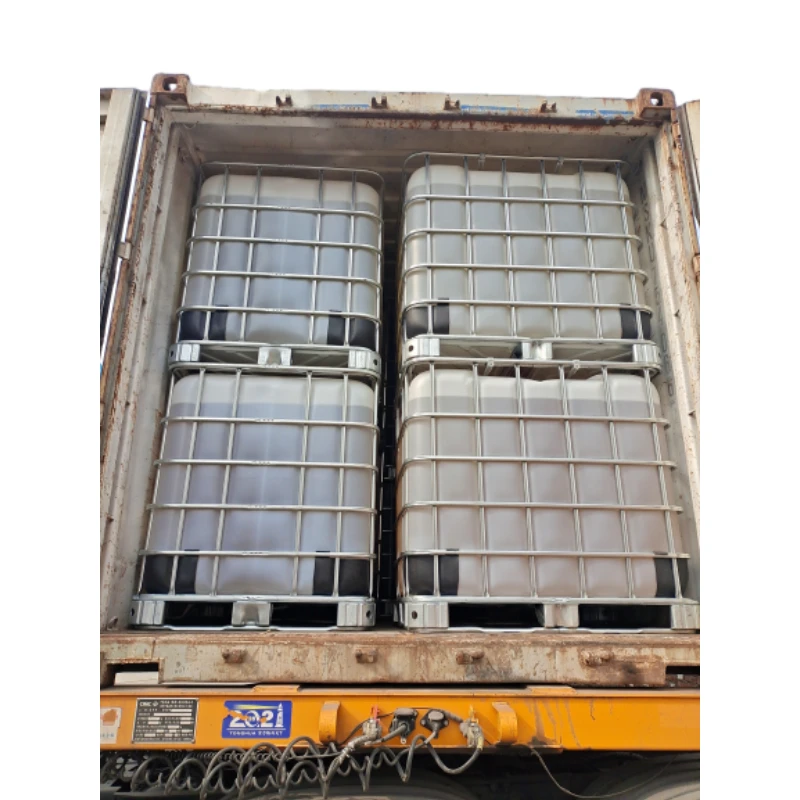
view more DiethanolisopropanolamineIn the ever-growing field of chemical solutions, diethanolisopropanolamine (DEIPA) stands out as a versatile and important compound. Due to its unique chemical structure and properties, DEIPA is of interest to various industries including construction, personal care, and agriculture. -
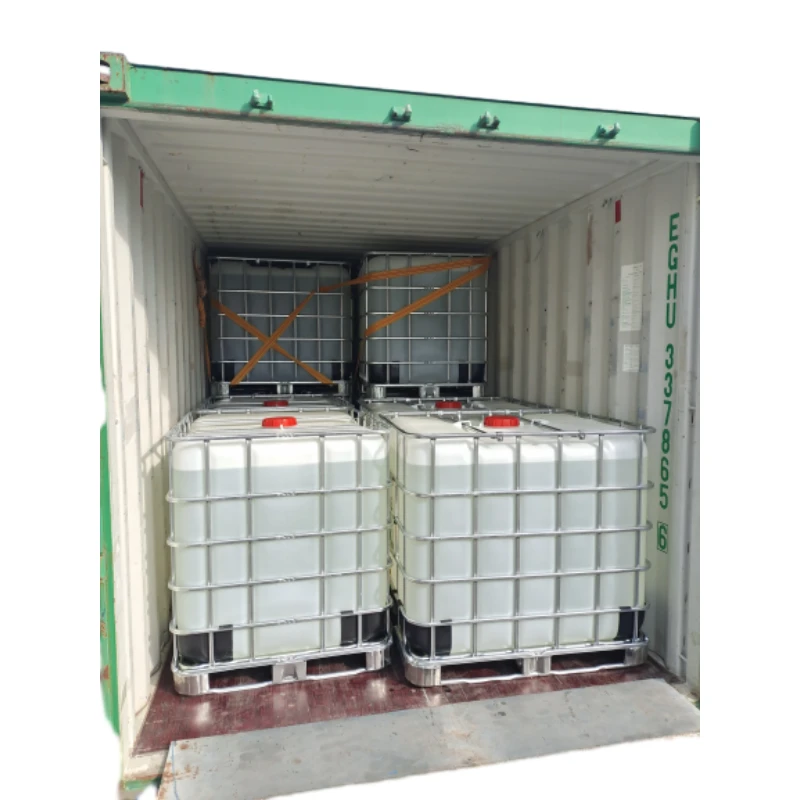
view more TriisopropanolamineTriisopropanolamine (TIPA) alkanol amine substance, is a kind of alcohol amine compound with amino and alcohol hydroxyl, and because of its molecules contains both amino and hydroxyl. -

view more Tetramethyl Thiuram DisulfideTetramethyl thiuram disulfide, also known as TMTD, is a white to light-yellow powder with a distinct sulfur-like odor. It is soluble in organic solvents such as benzene, acetone, and ethyl acetate, making it highly versatile for use in different formulations. TMTD is known for its excellent vulcanization acceleration properties, which makes it a key ingredient in the production of rubber products. Additionally, it acts as an effective fungicide and bactericide, making it valuable in agricultural applications. Its high purity and stability ensure consistent performance, making it a preferred choice for manufacturers across various industries.