





Food with Preservatives: Insights from Industrial Equipment Experts
Understanding Food with Preservatives: A Veteran's Perspective
Having spent more than a decade navigating the industrial equipment world that tangentially touches the food sector, I’ve seen how food with preservatives plays a quietly pivotal role. The topic often sparks debates—some folks are wary of preservatives, and frankly, there’s some good reason to be cautious about certain types. But if you zoom out and consider the big picture, preservatives are often the unsung heroes that help reduce food waste and improve safety.
Now, in real terms, what does "food with preservatives" really mean? At its core, it’s food treated with substances that slow down spoilage caused by microorganisms, oxidation, or other chemical changes. Think about how often you grab a packaged loaf of bread or a jar of sauce and wonder how long it stays fresh. That’s the work of preservatives behind the scenes.
Many engineers and food technologists I’ve worked with emphasize the balance between efficacy and safety. It’s not about just adding a chemical and calling it a day—it’s quite a precise science. You know, even the slightest changes in formulation can affect flavor, shelf life, or regulatory compliance.
For instance, sodium benzoate and potassium sorbate are among the popular choices. They inhibit mold and yeast effectively. But you must pay close attention to the type of food, its pH level, and packaging — all factors influencing how well a preservative performs.
Speaking of packaging, some of the better industrial setups I encountered focus heavily on airtight containers and modified atmosphere packaging alongside preservative use. It’s a kind of two-pronged approach: protect the food externally while chemically inhibiting spoilage internally.
Quick Look: Typical Preservative Product Specs
| Preservative | Common Uses | Effective pH Range | Typical Concentration |
|---|---|---|---|
| Sodium Benzoate | Beverages, Sauces | <4.5 | 0.05%–0.1% |
| Potassium Sorbate | Dairy, Baked Goods | 3.0–6.5 | 0.025%–0.1% |
| Calcium Propionate | Bread, Cheese | 4.0–6.0 | 0.1%–0.3% |
| Sorbic Acid | Wines, Juices | 3.0–6.0 | 0.03%–0.1% |
Oddly enough, when I was at a processing plant in the Midwest, I noticed how customer feedback shaped the choice of preservatives almost more than cost or supply chain factors. One mid-sized bakery switched to calcium propionate after readers complained that their bread went stale too fast. The feedback loop really reminded me how dynamic and customer-focused this sector can be.
A Vendor Comparison Snapshot
| Vendor | Range of Preservatives | Food Grade Certification | Customization Options | Lead Time |
|---|---|---|---|---|
| Tenger Chemical | Extensive (Benzoates, Sorbates, Propionates) | ISO 22000, HACCP | Formulation and packaging tailored | 2–3 weeks |
| Global Preservatives Co. | Moderate | ISO 9001 | Standard blends only | 3–4 weeks |
| PureGuard Chemicals | Limited | ISO 22000 | Custom solutions on request | 4–6 weeks |
It's worth mentioning that in my experience, vendors with ISO 22000 and HACCP certifications, like Tenger Chemical, tend to deliver not only quality but peace of mind. These certifications signal serious commitment to food safety standards — something a customer once told me they value even more than price.
On a personal note, working alongside food scientists and plant engineers over the years, I found that the best preservative systems are often highly customized—packaging, temperature control, and even regional taste preferences play significant roles. No one-size-fits-all here, which keeps the job interesting.
At the end of the day, preservatives are one piece of a carefully engineered puzzle intended to keep our food safe and palatable longer—because honestly, nobody likes tossing out spoiled food (I should know!). Whether you’re a manufacturer or just curious, understanding this balance is key.
So next time you reach for that jar or pack, spare a thought for the chemistry and care keeping it fresh.
References:
-
The Essential Guide to Sorbates as Food Preservatives for SafetyNewsApr.16,2026
-
The Ultimate Guide to Sorbate Preservative in Modern IndustryNewsApr.09,2026
-
Comprehensive Guide to Sodium Stearoyl Lactylate Emulsifier Applications and BenefitsNewsApr.07,2026
-
Comprehensive Guide to Sodium Cyclamate Sweetener Properties and ApplicationsNewsApr.04,2026
-
Comprehensive Guide to Sodium Citrate Food Additive and Its ApplicationsNewsMar.31,2026
-
Comprehensive Guide to Sodium Bicarbonate Food Additive Applications and BenefitsNewsMar.28,2026
-
Understanding Sodium Benzoate Preservative in Cosmetics and Its ApplicationsNewsMar.26,2026
Hebei Tenger Chemical Technology Co., Ltd. focuses on the chemical industry and is committed to the export service of chemical raw materials.
-
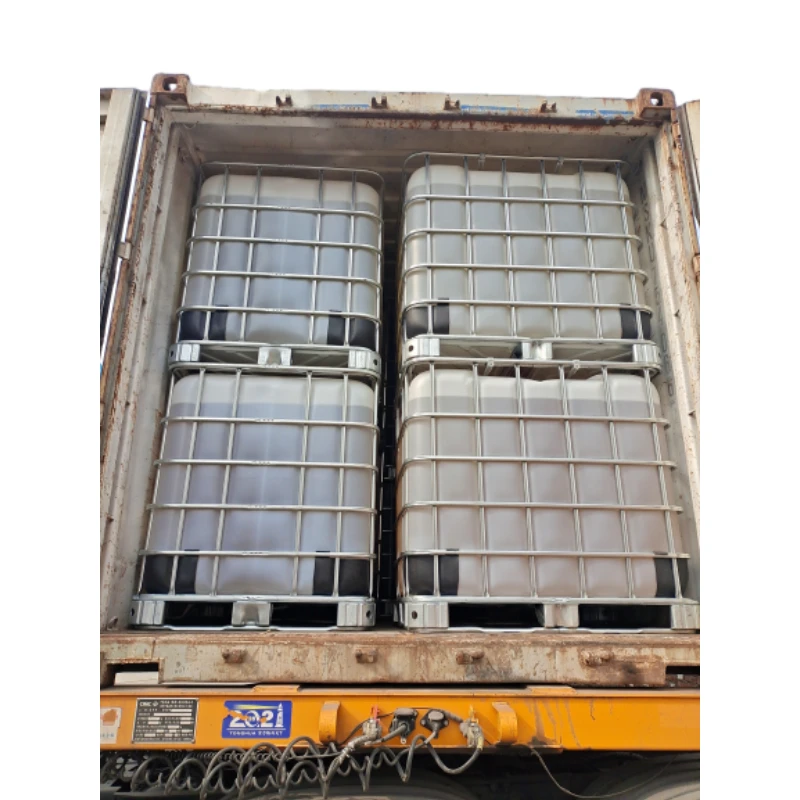
view more DiethanolisopropanolamineIn the ever-growing field of chemical solutions, diethanolisopropanolamine (DEIPA) stands out as a versatile and important compound. Due to its unique chemical structure and properties, DEIPA is of interest to various industries including construction, personal care, and agriculture. -
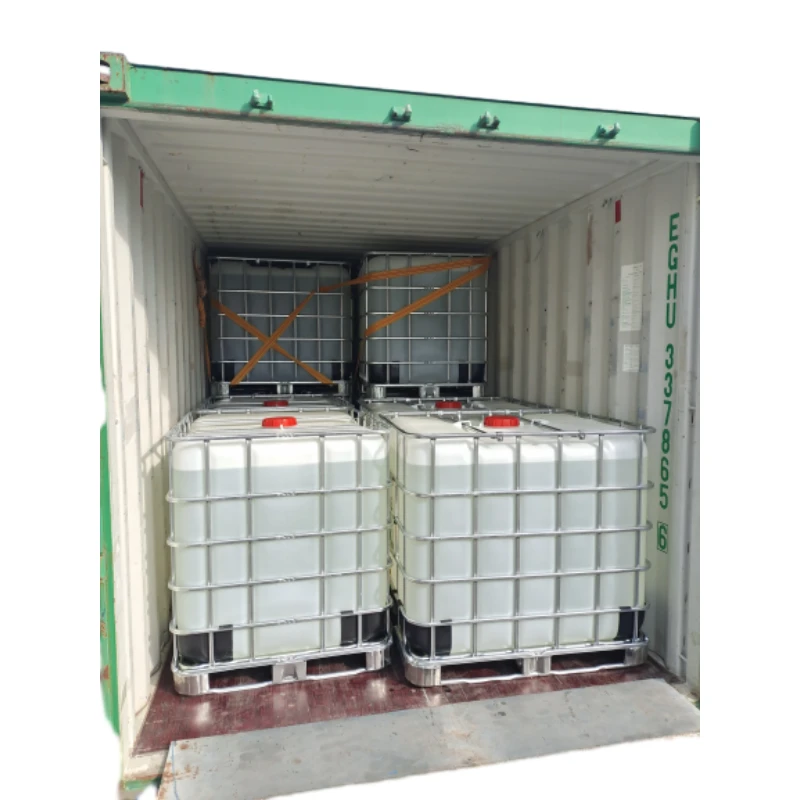
view more TriisopropanolamineTriisopropanolamine (TIPA) alkanol amine substance, is a kind of alcohol amine compound with amino and alcohol hydroxyl, and because of its molecules contains both amino and hydroxyl. -
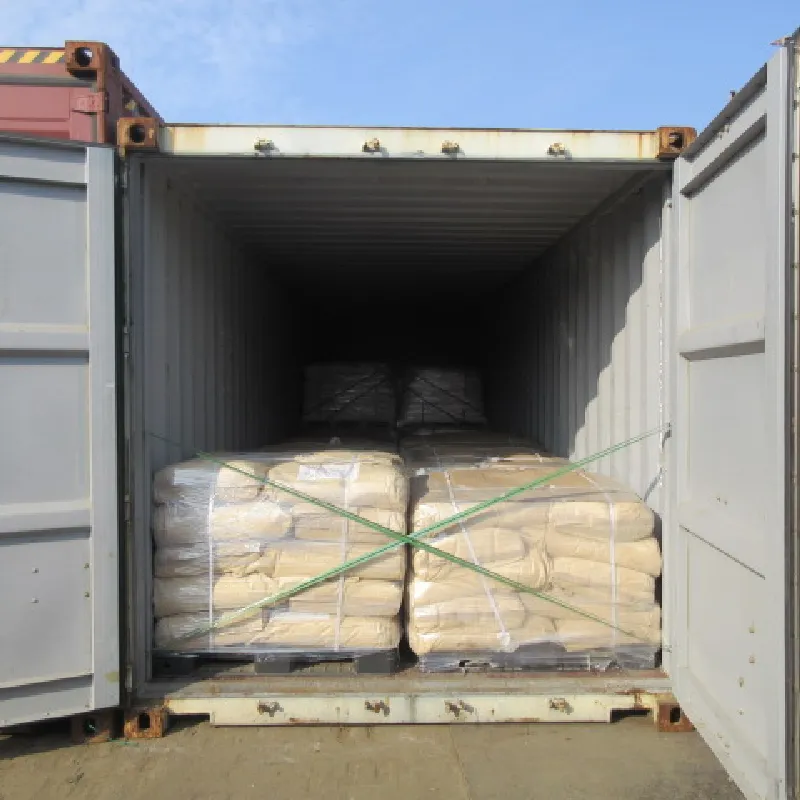
view more Tetramethyl Thiuram DisulfideTetramethyl thiuram disulfide, also known as TMTD, is a white to light-yellow powder with a distinct sulfur-like odor. It is soluble in organic solvents such as benzene, acetone, and ethyl acetate, making it highly versatile for use in different formulations. TMTD is known for its excellent vulcanization acceleration properties, which makes it a key ingredient in the production of rubber products. Additionally, it acts as an effective fungicide and bactericide, making it valuable in agricultural applications. Its high purity and stability ensure consistent performance, making it a preferred choice for manufacturers across various industries.