





Glazing Agent Carnauba Wax – Durable Industrial Finishing Solution
Why glazing agent carnauba wax Still Reigns in Industrial Equipment Finishing
Having spent well over a decade working hands-on in the industrial equipment sector, I can honestly say few finishing agents have stood the test of time quite like glazing agent carnauba wax. It’s odd, because in an age obsessed with synthetics and cutting-edge polymers, this natural wax—derived from the leaves of the Brazilian carnauba palm—retains its spot for polishing and protection with good reason.
In real terms, what sets carnauba wax apart is its unique balance of hardness and gloss. Many engineers I’ve worked with praise its ability to provide a durable, water-repellent finish without the brittleness you sometimes see in synthetic waxes. Frankly, when we test coatings on industrial machines—especially those exposed to outdoor conditions—the resilience of carnauba wax glaze often outperforms newer formulations in longevity and shine retention.
Its application might be straightforward in theory, but the secret lies in how you process and blend it. Tenger Chemical, for instance, offers a refined grade of carnauba wax designed specifically as a glazing agent, ensuring consistent particle size and purity. From my observations, this level of refinement not only improves spreadability but also reduces residue buildup during multiple polishing cycles—a game-changer on busy factory floors.
| Characteristic | Specification |
|---|---|
| Purity | ≥ 98% |
| Melting Point | 82–86 °C |
| Color (Lovibond) | 5Y – 8Y |
| Acid Value | ≤ 2 mg KOH/g |
| Moisture Content | ≤ 0.5% |
Customizability is another aspect that often gets overlooked. I once worked with a client who wanted a glaze that would hold up better on stainless steel conveyor belts constantly exposed to moisture and varying temperatures. By adjusting carnauba wax blends with certain compatible resins, we achieved a coating that lasted longer between maintenance cycles, which saved considerable downtime.
And the testing? It’s pretty straightforward for anyone in the sector: you check abrasion resistance, gloss retention after UV exposure, and water repellency. Carnauba wax consistently scores high in these categories without requiring harsh chemical additives—something I’ve always appreciated. Plus, it’s non-toxic and food-safe, so it’s often the go-to for equipment used in food processing plants.
| Vendor | Purity ≥ | Particle Size (μm) | Price ($/kg) | Main Application Focus |
|---|---|---|---|---|
| Tenger Chemical | ≥ 98% | 5-10 | 12.50 | Industrial glazing & polishing |
| Vendor B | ~95% | 10-15 | 10.75 | Automotive coatings |
| Vendor C | ≥ 97% | 7-12 | 13.00 | Food equipment finishing |
Of course, no product is perfect. I noticed that in extremely abrasive environments—like sand-laden air or heavy chemical exposure—carnauba wax alone doesn’t quite cut it, and you need to consider topcoats or combination treatments. Still, paired correctly, it acts almost like a natural shield.
Overall, I often recommend exploring the options from reliable sources like glazing agent carnauba wax suppliers who emphasize quality and consistency. The difference in output quality might surprise you, especially when you consider long-term maintenance costs. Sometimes, sticking to what nature offers—blended with modern processing—makes all the difference.
One quick story to close: A plant manager once told me, "Our switch to refined carnauba wax glaze cut our polishing times by 30% and gave a finish our customers actually commented on." I suppose that speaks volumes, doesn't it? It’s these small, practical wins that keep me convinced of carnauba wax’s staying power.
In the end, it feels like carnauba wax doesn’t just protect surfaces—it preserves a little slice of tradition in the industrial world.
References:
- Industrial Finishing Handbook, 2022 Edition
- Annual Report: Coating Materials Performance, 2023
- Interview with Tenger Chemical Technical Team, April 2024
-
The Essential Guide to Sorbates as Food Preservatives for SafetyNewsApr.16,2026
-
The Ultimate Guide to Sorbate Preservative in Modern IndustryNewsApr.09,2026
-
Comprehensive Guide to Sodium Stearoyl Lactylate Emulsifier Applications and BenefitsNewsApr.07,2026
-
Comprehensive Guide to Sodium Cyclamate Sweetener Properties and ApplicationsNewsApr.04,2026
-
Comprehensive Guide to Sodium Citrate Food Additive and Its ApplicationsNewsMar.31,2026
-
Comprehensive Guide to Sodium Bicarbonate Food Additive Applications and BenefitsNewsMar.28,2026
-
Understanding Sodium Benzoate Preservative in Cosmetics and Its ApplicationsNewsMar.26,2026
Hebei Tenger Chemical Technology Co., Ltd. focuses on the chemical industry and is committed to the export service of chemical raw materials.
-
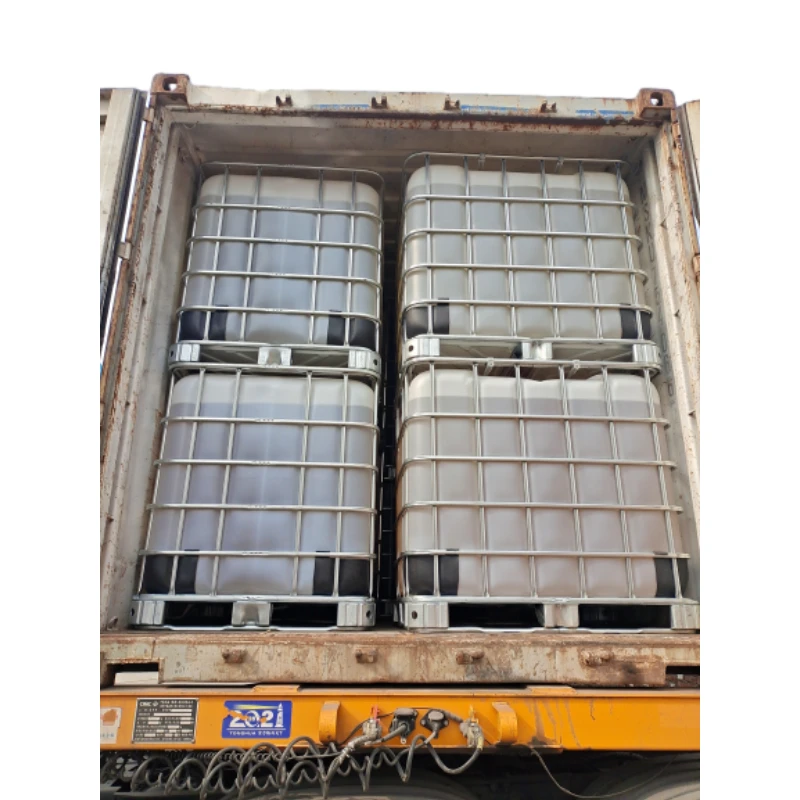
view more DiethanolisopropanolamineIn the ever-growing field of chemical solutions, diethanolisopropanolamine (DEIPA) stands out as a versatile and important compound. Due to its unique chemical structure and properties, DEIPA is of interest to various industries including construction, personal care, and agriculture. -
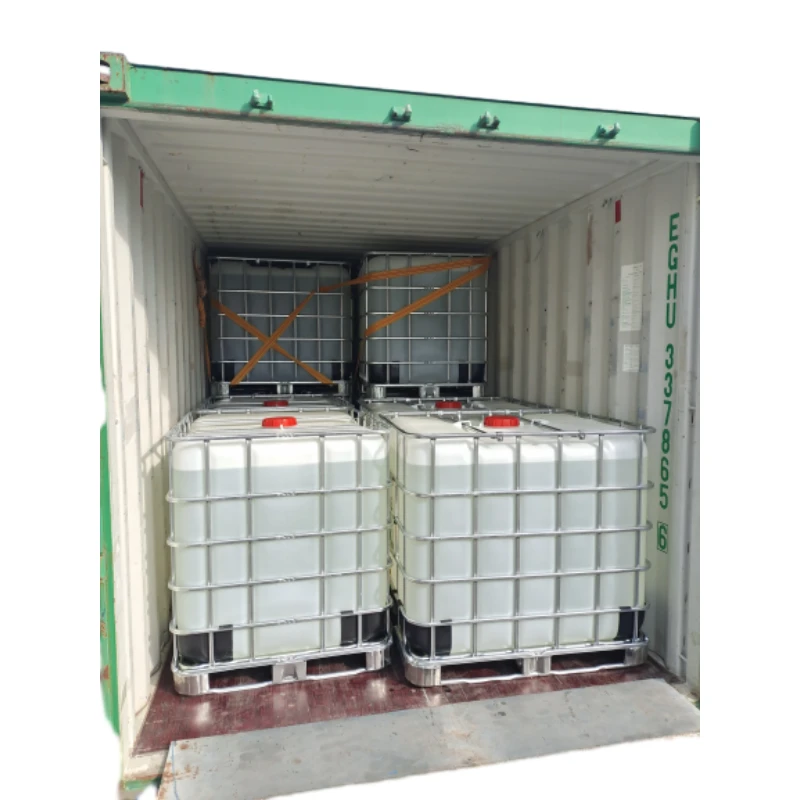
view more TriisopropanolamineTriisopropanolamine (TIPA) alkanol amine substance, is a kind of alcohol amine compound with amino and alcohol hydroxyl, and because of its molecules contains both amino and hydroxyl. -
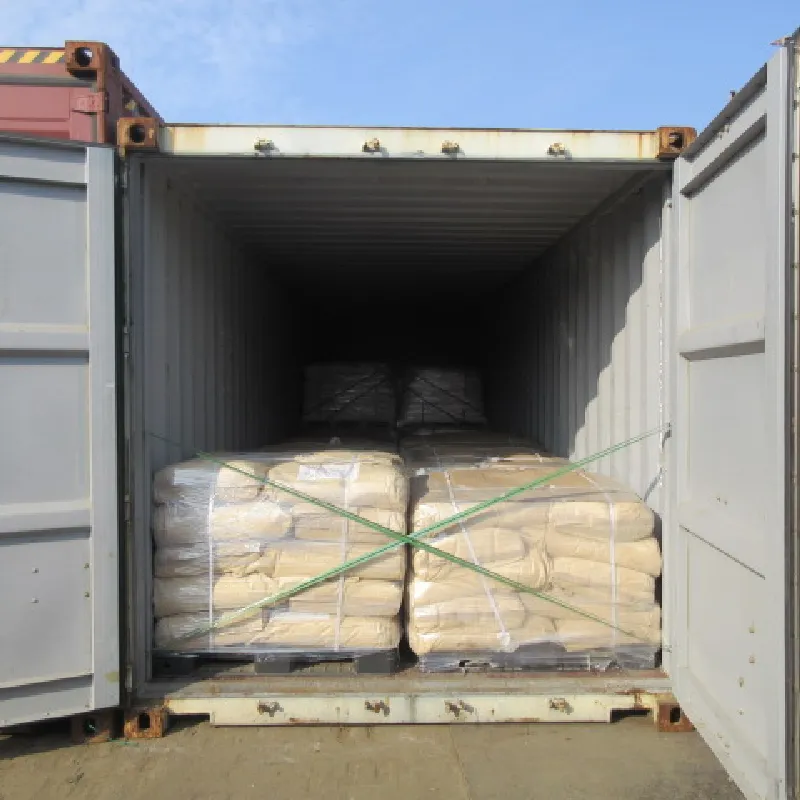
view more Tetramethyl Thiuram DisulfideTetramethyl thiuram disulfide, also known as TMTD, is a white to light-yellow powder with a distinct sulfur-like odor. It is soluble in organic solvents such as benzene, acetone, and ethyl acetate, making it highly versatile for use in different formulations. TMTD is known for its excellent vulcanization acceleration properties, which makes it a key ingredient in the production of rubber products. Additionally, it acts as an effective fungicide and bactericide, making it valuable in agricultural applications. Its high purity and stability ensure consistent performance, making it a preferred choice for manufacturers across various industries.