





GRAS Food Additives: Industrial Insights & Vendor Comparison
GRAS Food Additives: Insights from an Industrial Equipment Veteran
Having spent over a decade working closely with industrial-grade food additives, I’ve come to appreciate the subtle yet critical role of GRAS food additives in product formulation. GRAS—generally recognized as safe—isn’t just a regulatory label slapped on a container. It’s a kind of silent assurance that what’s going into the mix won’t cause havoc down the production line or in a consumer’s digestive system.
Oddly enough, you don’t hear “GRAS” much outside food chemistry circles, but for those of us dealing with industrial equipment that processes these additives, the stakes are high. You might think, “Isn’t it just another ingredient?” Not quite. The physical and chemical properties of a GRAS additive directly affect how machines perform, maintenance schedules, and ultimately, product consistency.
Now, talking specs — manufacturers often prioritize additives that not only meet GRAS standards but also demonstrate stability under processing stresses, like temperature swings or mechanical shear. From my experience, an additive’s particle size, hygroscopicity, and solubility can be make-or-break depending on the equipment’s design.
| Product Attribute | Typical Range / Value | Notes |
|---|---|---|
| Particle Size | 10-50 microns | Affects flowability during dosing |
| Moisture Content | ≤ 2% | Prevents clumping and clogging |
| Solubility in Water | > 95% | Ensures even dispersion |
| pH Range | 4.0-7.0 | Compatible with most food matrices |
| Shelf Life | 12-18 months | Depends on storage conditions |
It feels like every plant I've visited handles these additives with a certain reverence, probably because even a slight variability can lead to equipment downtime or product batch rejection. For example, one facility I worked with had recurring flow jams until they switched to a GRAS additive with a tighter particle size distribution. That change alone saved them several hours of lost productivity monthly.
When it comes to choosing a supplier, reliability and transparency rank high on my checklist. I routinely compare vendors on consistency, certification, and support — because having a quick-responding partner makes a world of difference on a production floor that runs 24/7.
| Vendor | Certification | Typical Lead Time | Technical Support | Pricing |
|---|---|---|---|---|
| Tenger Chemical | GRAS, ISO 22000 | 2 weeks | 24/7 support available | Competitive |
| Vendor B | GRAS only | 3-4 weeks | Business hours only | Moderate |
| Vendor C | GRAS, FDA approved | 1-2 weeks | Technical team onsite | Premium |
In real terms, the additive you pick can shift your whole operation's efficiency. Choosing a GRAS food additive isn’t simply about ticking regulatory boxes—it’s about creating smoother production runs, safer products, and often, happier regulatory audits.
As one plant manager once put it to me, “If it’s not GRAS-certified, it’s not coming through our doors.” Simple, but powerful. That kind of no-compromise attitude is what keeps industries steady amidst shifting regulations and growing consumer awareness.
Wrapping this up, I suppose the real lesson is: whether you’re in equipment maintenance, production control, or procurement, understanding your additives—especially the GRAS food additives—is crucial. They’re silent partners in your operation’s success.
Stay curious, stay informed, and don’t underestimate the little things—they often make the biggest difference.
References:
- FDA GRAS Notices and Guidelines (https://www.fda.gov/food/gras-notice-inventory)
- Tenger Chemical Product Datasheets
- Industry case studies on additive impact in production flows
-
The Essential Guide to Sorbates as Food Preservatives for SafetyNewsApr.16,2026
-
The Ultimate Guide to Sorbate Preservative in Modern IndustryNewsApr.09,2026
-
Comprehensive Guide to Sodium Stearoyl Lactylate Emulsifier Applications and BenefitsNewsApr.07,2026
-
Comprehensive Guide to Sodium Cyclamate Sweetener Properties and ApplicationsNewsApr.04,2026
-
Comprehensive Guide to Sodium Citrate Food Additive and Its ApplicationsNewsMar.31,2026
-
Comprehensive Guide to Sodium Bicarbonate Food Additive Applications and BenefitsNewsMar.28,2026
-
Understanding Sodium Benzoate Preservative in Cosmetics and Its ApplicationsNewsMar.26,2026
Hebei Tenger Chemical Technology Co., Ltd. focuses on the chemical industry and is committed to the export service of chemical raw materials.
-
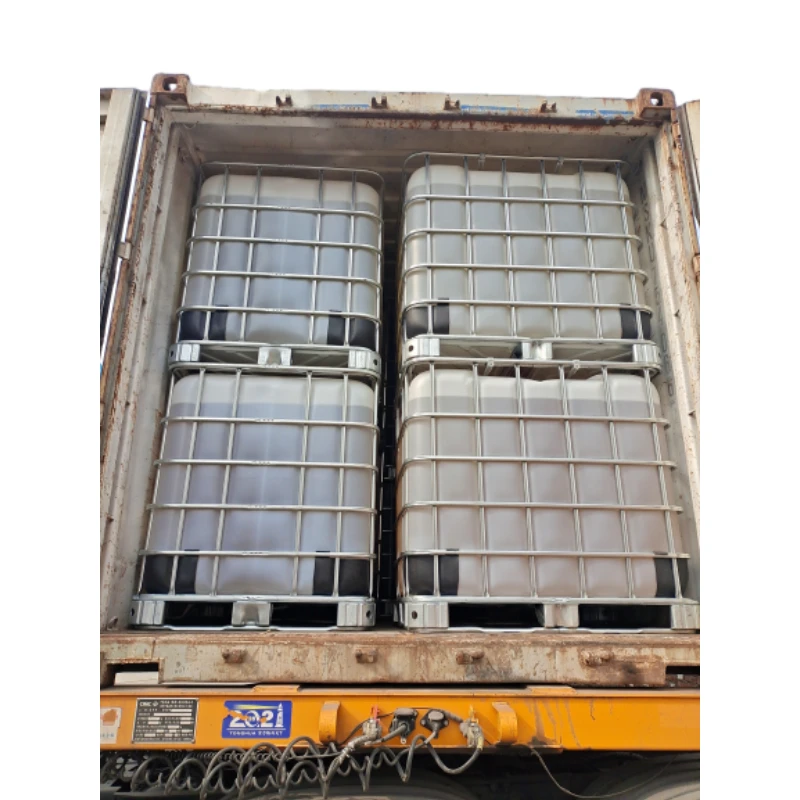
view more DiethanolisopropanolamineIn the ever-growing field of chemical solutions, diethanolisopropanolamine (DEIPA) stands out as a versatile and important compound. Due to its unique chemical structure and properties, DEIPA is of interest to various industries including construction, personal care, and agriculture. -
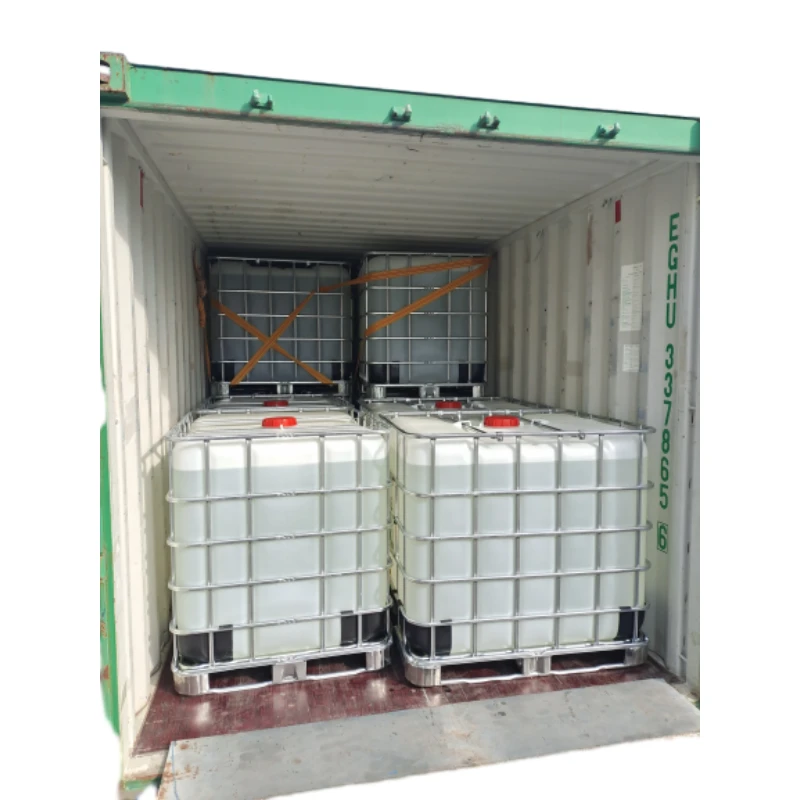
view more TriisopropanolamineTriisopropanolamine (TIPA) alkanol amine substance, is a kind of alcohol amine compound with amino and alcohol hydroxyl, and because of its molecules contains both amino and hydroxyl. -
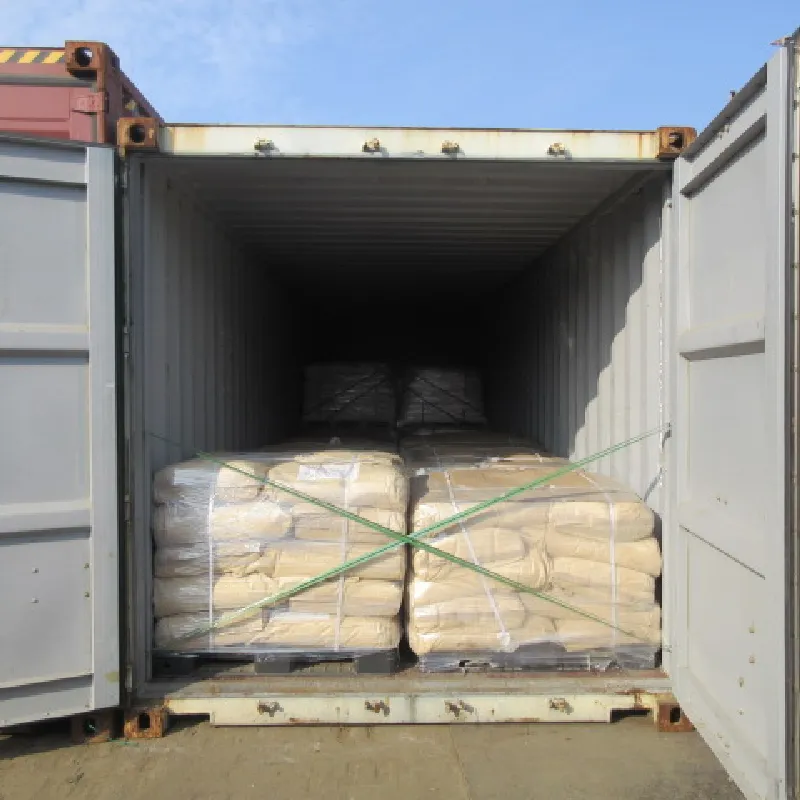
view more Tetramethyl Thiuram DisulfideTetramethyl thiuram disulfide, also known as TMTD, is a white to light-yellow powder with a distinct sulfur-like odor. It is soluble in organic solvents such as benzene, acetone, and ethyl acetate, making it highly versatile for use in different formulations. TMTD is known for its excellent vulcanization acceleration properties, which makes it a key ingredient in the production of rubber products. Additionally, it acts as an effective fungicide and bactericide, making it valuable in agricultural applications. Its high purity and stability ensure consistent performance, making it a preferred choice for manufacturers across various industries.