





How Acetic Acid Is Used as a Food Preservative: Benefits, Uses & Trends
Why Acetic Acid as a Food Preservative Matters Globally
Whenever we reach for pickles, ketchup, or even salad dressings, there's an unsung hero working behind the scenes: acetic acid. More specifically, acetic acid is used as a food preservative worldwide, making everyday foods safer and longer-lasting. Sounds mundane? Maybe, but its impact is critical in addressing global food waste — a problem costing the world billions annually and affecting food security for millions.
Understanding the role of acetic acid in preservation isn't just for chemists. It’s about grasping how a simple molecule plays an oversized role in feeding the globe sustainably and economically.
The Global Context of Acetic Acid in Food Preservation
On any given day, roughly 1.3 billion tons of food get wasted globally, according to the Food and Agriculture Organization of the UN (FAO). What if a small additive like acetic acid could cut down spoilage in perishable food? It absolutely can. The use of vinegar or industrially synthesized acetic acid to preserve food dates back centuries, but today's manufacturing standards and applications optimize its effectiveness to new heights.
Industries from small-scale artisanal producers in Europe’s Mediterranean region to large-scale food processors in Asia rely on this acid to maintain freshness and inhibit microbial growth. Yet, challenges like consumer demand for "clean labels" and stricter regulations push innovation further. This push spotlights acetic acid’s balancing act between natural and industrial needs.
Brief takeaway:
- Acetic acid contributes significantly to reducing food spoilage and waste.
- Its global use spans diverse climates, cultures, and industries.
What Exactly Does It Mean That Acetic Acid Is Used as a Food Preservative?
Simply put, acetic acid is the main component of vinegar — that sharp, tangy substance known to almost everyone. When acetic acid is used as a food preservative, it inhibits the growth of bacteria, mold, and yeast that cause food to spoil.
This preservation happens because acetic acid lowers the pH of the food environment. Most spoilage microbes hate acidic conditions, which means food stays fresher longer without relying on artificial chemicals.
Considering the rise of global food supply chains and the necessity for longer shelf lives, acetic acid's natural preservative qualities fit perfectly with current humanitarian and commercial demands. It supports safer storage and transport, especially for perishable goods.
Quick summary:
- Acetic acid is a natural antimicrobial agent.
- Its acidifying effect prevents microbial growth.
- Widely accepted in both home kitchens and industrial food production.
Key Factors Behind Acetic Acid’s Role in Food Preservation
1. Antimicrobial Efficacy
The primary charm of acetic acid is its ability to kill or slow down spoilage microorganisms. It's particularly effective against bacteria like Listeria monocytogenes and molds that are common culprits in food deterioration.
2. pH Reduction and Stability
By lowering food’s pH to acidic levels (usually below 4.6), acetic acid creates a hostile environment for spoilage agents. This pH threshold is important since many pathogens cannot survive or reproduce effectively under such conditions.
3. Versatility Across Food Types
From pickled cucumbers to sauces, from cured meats to dressings, acetic acid is a preservative chameleon. It works well in liquid, solid, and semi-liquid foods.
4. Cost Effectiveness
Compared to other preservatives or refrigeration technologies, acetic acid is relatively cheap and easy to produce, making it ideal for developing countries and large-scale food industries.
5. Regulatory Approval and Natural Labeling
Acetic acid enjoys a generally recognized as safe (GRAS) status in many countries, making it suitable for both industrial and organic food products.
Mini takeaway:
- Acetic acid offers effective microbial control.
- It provides an economical preservation strategy embraced globally.
Global Applications & Use Cases of Acetic Acid in Food Preservation
Taste a crunchy pickle or a tangy barbecue sauce—acetic acid probably played a part in keeping it fresh. But beyond the grocery store shelf, its influence extends globally:
- Food Processing Industries: Companies in Europe and Asia integrate acetic acid in marinades and brines to retard bacterial growth.
- Disaster Relief and Humanitarian Aid: Packaged meals for relief camps often employ acetic acid preservatives to maintain edibility without refrigeration.
- Small-Scale Artisanal Production: Vinegar-based fermentation preserves cucumbers, cabbage, and other vegetables worldwide.
- Cold Chain Supplement: In regions where refrigeration is patchy, acetic acid bolsters food safety and shelf life.
For example, in Southeast Asia, where humidity and heat accelerate spoilage, acetic acid’s use as a food preservative is critical for daily food markets and exports alike.
Short insight:
The global footprint of acetic acid — from remote villages to urban factories — spells reliability and trust in preserving nutrition and safety.
Advantages and Long-Term Value of Using Acetic Acid
Using acetic acid as a food preservative isn’t just about preventing you from tossing out that leftover salad dressing. It also:
- Enhances Food Safety: Reduces risks of foodborne illnesses by suppressing pathogens.
- Minimizes Waste: Extends shelf life, which in turn lowers food waste across supply chains.
- Supports Sustainability: Being biodegradable and naturally derived, acetic acid aligns with eco-conscious production.
- Boosts Consumer Confidence: Shoppers increasingly want minimally processed foods with recognizable ingredients — acetic acid fits the bill.
Plus, there’s something oddly reassuring about a vinegar-based preservative. It’s like a traditional recipe meeting modern science, preserving safety and flavor.
Product Specification Table for Acetic Acid Used as Food Preservative
| Specification | Value | Unit |
|---|---|---|
| Purity (Glacial Acetic Acid) | 99.85 | % |
| Density @ 20°C | 1.049 | g/cm³ |
| pH (1% solution) | 2.4 | - |
| Boiling Point | 118 | °C |
| Solubility | Completely miscible | in Water |
Vendor Comparison Table — Choosing Your Acetic Acid Supplier
| Vendor | Purity (%) | Pricing (per ton) | Global Shipping | Certifications |
|---|---|---|---|---|
| Tenger Chemical | 99.85 | $1,200 | Yes | ISO 9001, FDA |
| Acme Chemicals | 99.7 | $1,150 | Limited | FDA |
| GlobalAcid Co. | 99.9 | $1,400 | Yes | ISO 9001 |
Looking Ahead: Future Trends in Acetic Acid Use as a Preservative
The food industry is evolving fast, and so is the role of acetic acid. With growing consumer demand for "clean-label" ingredients and sustainable practices, innovations like bio-based acetic acid production are gaining traction. Rather than relying solely on petrochemical sources, fermentation and waste biomass are becoming preferred feedstocks.
Moreover, digital monitoring of food pH and spoilage indicators, combined with smart packaging, may modify how much preservative is needed — potentially reducing the amount of acetic acid required.
Automation in food processing lines also means more precise dosing and mixing of acetic acid, enhancing product consistency and safety.
Challenges & Solutions When Using Acetic Acid in Food Preservation
Using acetic acid isn't without challenges. Sensory impact — that unmistakable vinegar tang — may not be desirable in all food products. Managing this requires blending techniques or controlled fermentation to balance taste.
Additionally, stringent regulations in some regions demand comprehensive testing to ensure residual acid levels are safe and compliant.
To overcome these hurdles, some companies explore encapsulation technologies that release acetic acid gradually or innovations in combining it with other natural preservatives for synergy.
FAQ: Your Questions About Acetic Acid as a Food Preservative
- Q1: Is acetic acid safe to consume as a food preservative?
- Yes, acetic acid is generally recognized as safe (GRAS) by many health agencies, including the FDA. It has been used traditionally in vinegar for centuries and, when used within regulated concentrations, poses no health risks.
- Q2: How does acetic acid compare to other preservatives in controlling mold?
- Acetic acid is particularly effective against molds and many bacteria due to its pH-lowering effect. Unlike some synthetic preservatives, it is natural and accepted even in organic food production.
- Q3: Can acetic acid be used in refrigerated and non-refrigerated products?
- Absolutely. It’s versatile enough for both settings. In non-refrigerated foods, it helps inhibit microbial growth that refrigeration cannot stop.
- Q4: Does acetic acid affect the flavor of preserved foods?
- Yes, it imparts a sour or tangy note typical of vinegar. This can be desirable in many foods but may need balancing in others via formulation techniques.
Wrapping Up: Why Acetic Acid Remains a Favorite Food Preservative
To sum it all up, acetic acid is used as a food preservative worldwide for its trusted efficacy, cost-friendly nature, and natural profile. It straddles tradition and modern food science in a way few other additives can.
Whether you’re a food technologist, a small-batch producer, or just a curious eater, understanding acetic acid’s role helps appreciate what keeps our food safe and tasty.
For further details or sourcing high-quality acetic acid for your food applications, feel free to visit our website.
References
-
The Essential Guide to Sorbates as Food Preservatives for SafetyNewsApr.16,2026
-
The Ultimate Guide to Sorbate Preservative in Modern IndustryNewsApr.09,2026
-
Comprehensive Guide to Sodium Stearoyl Lactylate Emulsifier Applications and BenefitsNewsApr.07,2026
-
Comprehensive Guide to Sodium Cyclamate Sweetener Properties and ApplicationsNewsApr.04,2026
-
Comprehensive Guide to Sodium Citrate Food Additive and Its ApplicationsNewsMar.31,2026
-
Comprehensive Guide to Sodium Bicarbonate Food Additive Applications and BenefitsNewsMar.28,2026
-
Understanding Sodium Benzoate Preservative in Cosmetics and Its ApplicationsNewsMar.26,2026
Hebei Tenger Chemical Technology Co., Ltd. focuses on the chemical industry and is committed to the export service of chemical raw materials.
-
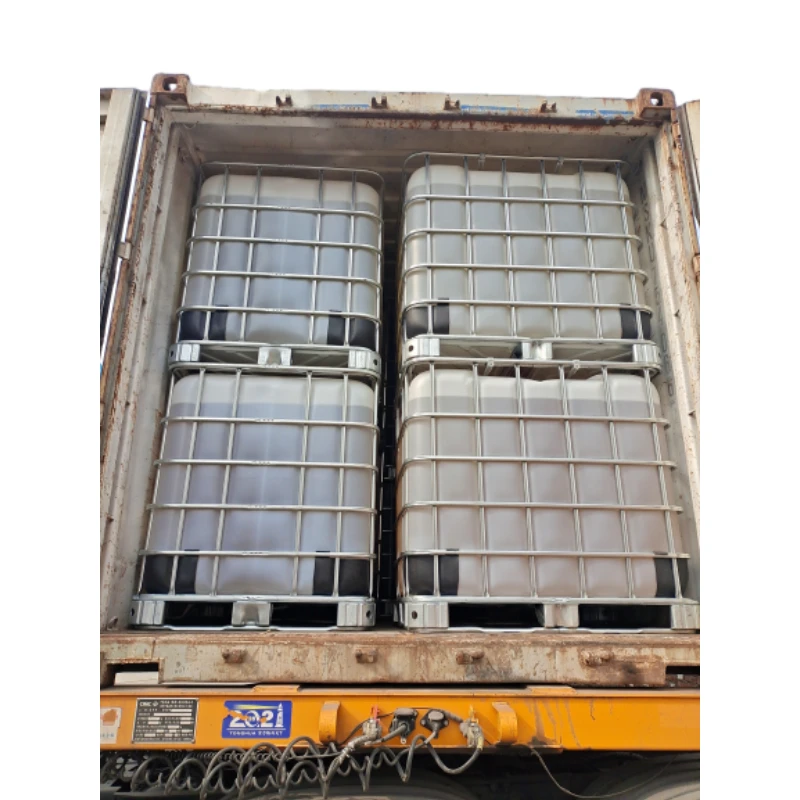
view more DiethanolisopropanolamineIn the ever-growing field of chemical solutions, diethanolisopropanolamine (DEIPA) stands out as a versatile and important compound. Due to its unique chemical structure and properties, DEIPA is of interest to various industries including construction, personal care, and agriculture. -
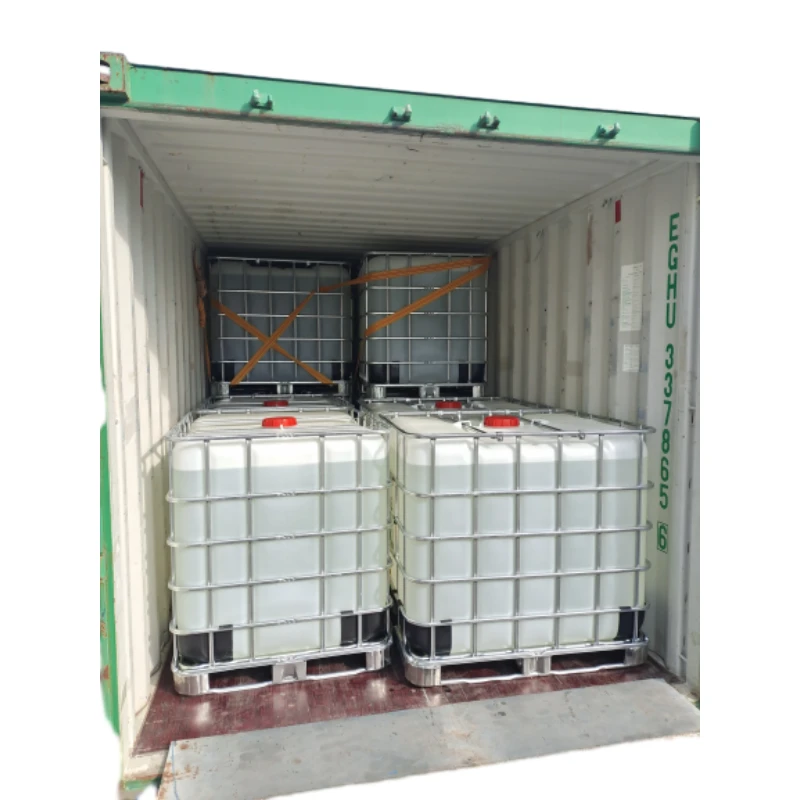
view more TriisopropanolamineTriisopropanolamine (TIPA) alkanol amine substance, is a kind of alcohol amine compound with amino and alcohol hydroxyl, and because of its molecules contains both amino and hydroxyl. -
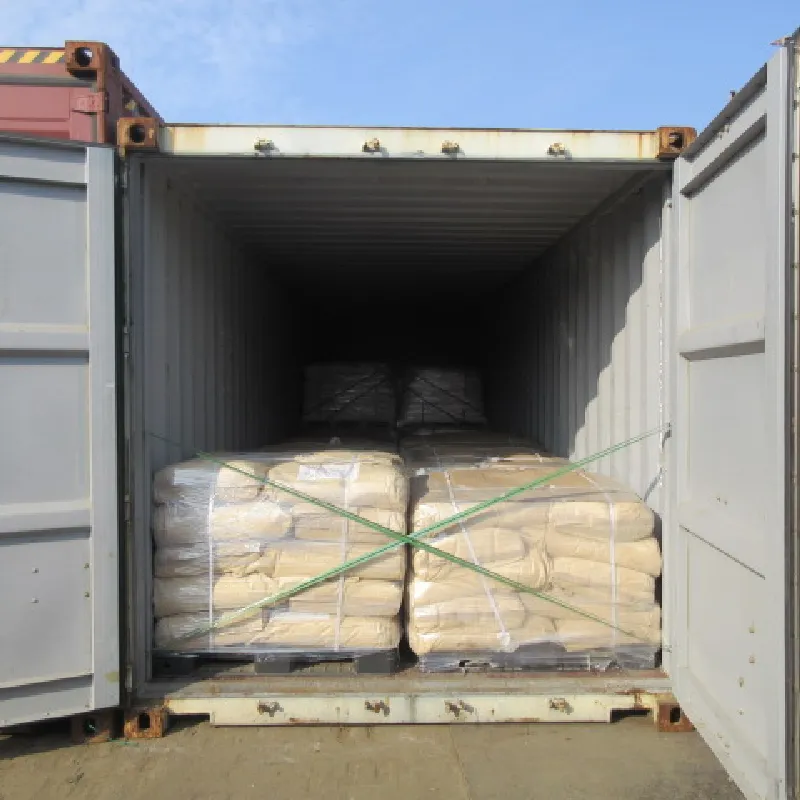
view more Tetramethyl Thiuram DisulfideTetramethyl thiuram disulfide, also known as TMTD, is a white to light-yellow powder with a distinct sulfur-like odor. It is soluble in organic solvents such as benzene, acetone, and ethyl acetate, making it highly versatile for use in different formulations. TMTD is known for its excellent vulcanization acceleration properties, which makes it a key ingredient in the production of rubber products. Additionally, it acts as an effective fungicide and bactericide, making it valuable in agricultural applications. Its high purity and stability ensure consistent performance, making it a preferred choice for manufacturers across various industries.