





Understanding the Role of Humectants in Food Preservation and Texture Enhancement
Understanding Humectants The Role of Food Additives in Moisture Retention
In the world of food science, humectants play a critical role in the preservation and enhancement of many food products. These substances, which are often used as food additives, have the primary function of retaining moisture within food items, thereby improving shelf life and maintaining texture. In this article, we will delve deeper into what humectants are, their types, functions, and the implications of their use in the food industry.
What are Humectants?
Humectants are hygroscopic substances that attract and retain moisture from the environment. They are commonly added to food products to prevent drying out and to ensure that the food remains soft and palatable. The term humectant derives from the Latin word humectare, which means to moisten. Humectants can be naturally occurring substances or synthetic compounds and are widely used across various food categories, including baked goods, confectionery, dairy products, and processed meats.
Types of Humectants
There are several types of humectants, each with its own properties and applications. Some of the most widely used humectants in food processing include
1. Glycerol (Glycerin) This is a clear, odorless liquid derived from fats and oils. It is frequently used in baked goods and candies for moisture retention.
2. Sorbitol A sugar alcohol that is not only a sweetener but also serves as an effective humectant. It is commonly found in sugar-free products and confections.
3. Propylene Glycol This synthetic compound is known for its moisture-retaining properties and is often used in desserts and sauces.
4. Honey and Molasses Natural humectants that provide not only moisture retention but also additional flavors and nutrients.
5. Xylitol Another sugar alcohol, xylitol is used in gum and mints for its sweetness and humectant properties.
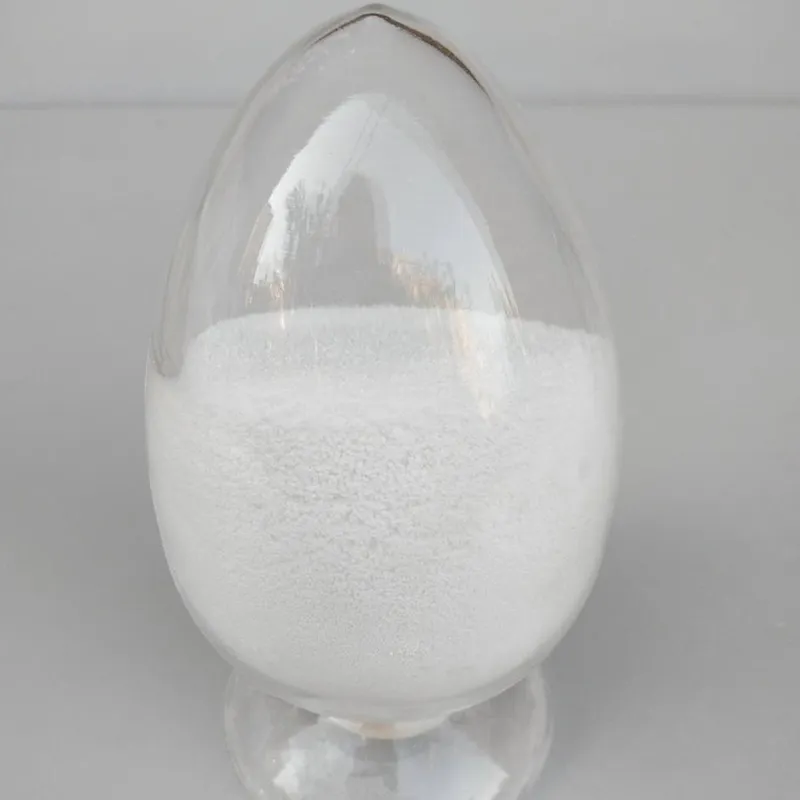
humectant food additive
Functions of Humectants in Food
Humectants serve several essential functions in food products, including
- Moisture Retention The primary role of humectants is to prevent moisture loss, which can lead to spoilage and a change in texture. This is particularly important in products like baked goods, where stale items can be unappealing to consumers.
- Texture Improvement By retaining moisture, humectants contribute to the desired mouthfeel and texture of food products, ensuring that items like cakes, bread, and candies remain soft and chewy.
- Flavor Enhancement Many humectants also have sweetening properties, adding to the overall flavor profile of food items. For instance, adding glycerol not only retains moisture but also provides a subtle sweetness.
- Extended Shelf Life By preventing microbial growth through moisture retention, humectants can help extend the shelf life of various food products, making them more appealing to both manufacturers and consumers.
Health Implications
While humectants are generally considered safe for consumption, some individuals may experience digestive discomfort when consuming products containing high levels of sugar alcohols like sorbitol and xylitol. These compounds can sometimes lead to gastrointestinal issues such as bloating or diarrhea, especially when consumed in excess.
Furthermore, while nutritional benefits vary, many humectants lack vitamins and minerals, so their inclusion in food products should not replace the consumption of nutrient-rich foods. It is important for consumers to read food labels and be aware of the additives in their products.
Conclusion
Humectants are vital food additives that not only enhance the quality and appeal of various food items but also contribute significantly to their preservation. By understanding the role of humectants in food science, consumers can make informed choices about the products they consume. As food innovation continues to evolve, the use of humectants will likely expand, providing even more opportunities for improved food preservation, texture, and flavor. Whether through natural sources or synthetic processes, humectants will remain an integral part of the food landscape, ensuring that our favorite products stay fresh and delicious.
-
Improve Crop Yield with Premium Calcium Boron FertilizerNewsJul.01,2026
-
Ultimate Guide to Cal Mag Fertilizer for Boosting Plant HealthNewsJun.29,2026
-
Maximize Crop Recovery Using High Performance Bounce Back FertilizerNewsJun.27,2026
-
Maximize Crop Yields and Soil Health with Biozyme FertilizerNewsJun.26,2026
-
Sustainable Agriculture Guide using bio organic fertilizerNewsJun.25,2026
-
Essential Guide to Sulfite Preservative Applications and BenefitsNewsJun.23,2026
-
Understanding Sugar Additives for Food Flavor and StabilityNewsJun.21,2026
Hebei Tenger Chemical Technology Co., Ltd. focuses on the chemical industry and is committed to the export service of chemical raw materials.
-

view more Tplyltriazole(TTA)Tplyltriazole is a powerful and versatile corrosion inhibitor,it is a white particle or powder that is easily hygroscopic and can be processed into large, small, columnar, fine, or powdered shapes.It is a highly effective solution for preventing rust and corrosion on a variety of metal surfaces, making it an ideal choice for a wide range of applications. -

view more Formic AcidFormic acid, is a colorless, pungent-smelling liquid.With its unique properties and diverse applications that serves a wide range of industrial and commercial applications. -

view more Aluminum HydroxideAluminum Hydroxide, a versatile and essential product for a wide range of applications.This product is a white, amorphous powder that is insoluble in water and has a variety of uses in industries such as pharmaceuticals, cosmetics, and manufacturing.