





Industrial Glazing Agent Insights | Durable Surface Solutions
Understanding glazing agent and its Role in Industrial Equipment
After working in industrial equipment management for over a decade, I’ve seen how seemingly small components can make surprisingly big differences. Take glazing agent, for instance. It’s one of those unsung heroes—subtle, but essential.
Essentially, a glazing agent is a compound applied to surfaces—usually metals or ceramics—to create a uniform, glossy finish while offering protective benefits. Frankly, many engineers I know often overlook how much careful formulation goes into these agents. It's not just about shine; it’s about resilience under harsh operating conditions.
In my early days, I watched a client struggle with corrosion on turbine blades until switching to a better glazing formula that improved surface durability dramatically. Oddly enough, it felt like a small tweak in material chemistry but it changed maintenance schedules and downtime quite a bit.
Industrial Trends and Material Considerations
Nowadays, glazing agents must balance multiple demands: resistance to abrasion, chemical stability, and compatibility with base materials. Many modern glazing agents incorporate synthetic polymers or specialized resins that help cope with higher operating temperatures and varying chemical exposures.
You might ask: how do manufacturers ensure these agents actually perform? For starters, they undergo rigorous testing—humidity exposure, UV radiation tests, and adhesion trials. I've seen batches rejected because of just a fraction of inconsistency. In real terms, it means a lot of careful quality control before a product even ships.
Product Specifications at a Glance
| Specification | Typical Range | Unit |
|---|---|---|
| Viscosity (at 25°C) | 120–180 | mPa·s |
| Solid Content | 45–55 | % |
| pH Value | 7.0–8.5 | – |
| Drying Time (at 25°C) | 15–20 | minutes |
| Shelf Life | 12 | months |
A Vendor Comparison Snapshot
Not all glazing agents are created equal. Below is a rough but illustrative comparison of some well-known suppliers focused on industrial glazing agents. Keep in mind these points reflect broad strokes and recent market feedback rather than ultra-detailed lab data.
| Vendor | Performance | Customization | Price Range | Support |
|---|---|---|---|---|
| Tenger Chemical | High | Excellent | $$$ | Responsive |
| Vendor B | Moderate | Limited | $$ | Average |
| Vendor C | Good | Standard | $$ | Good |
Real-World Application and Anecdote
I recall one project where the glazing agent had to hold up against frequent chemical spills in an industrial plant. Switching from a generic agent to one formulated by Tenger Chemical made a measurable difference. The coatings lasted longer before reapplication was necessary. For maintenance teams, that’s time and money saved — a somewhat invisible but critical advantage.
Ultimately, the key lesson for anyone in industrial equipment is: don’t underestimate the role of a good glazing agent. It’s more than just finish—it’s protection, efficiency, even safety depending on the circumstance. I suppose it feels a bit like choosing the right lubricant or gasket; easy to overlook but hard to ignore when things go wrong.
If you're curious for further information or considering a supplier, Tenger Chemical is a solid starting point. Their expertise in custom formulation often makes the difference between "good enough" and "optimal."
Thanks for reading this reflection from the field. I hope it helps you appreciate the subtle but potent impact of glazing agents in industrial equipment.
References
- Industrial Coatings Handbook, 4th Edition – Wiley (2018)
- “Surface Protection Technologies in Turbine Maintenance” – Journal of Equipment Engineering (2021)
- Interview with Senior Engineer at Tenger Chemical (2023)
-
The Essential Guide to Sorbates as Food Preservatives for SafetyNewsApr.16,2026
-
The Ultimate Guide to Sorbate Preservative in Modern IndustryNewsApr.09,2026
-
Comprehensive Guide to Sodium Stearoyl Lactylate Emulsifier Applications and BenefitsNewsApr.07,2026
-
Comprehensive Guide to Sodium Cyclamate Sweetener Properties and ApplicationsNewsApr.04,2026
-
Comprehensive Guide to Sodium Citrate Food Additive and Its ApplicationsNewsMar.31,2026
-
Comprehensive Guide to Sodium Bicarbonate Food Additive Applications and BenefitsNewsMar.28,2026
-
Understanding Sodium Benzoate Preservative in Cosmetics and Its ApplicationsNewsMar.26,2026
Hebei Tenger Chemical Technology Co., Ltd. focuses on the chemical industry and is committed to the export service of chemical raw materials.
-
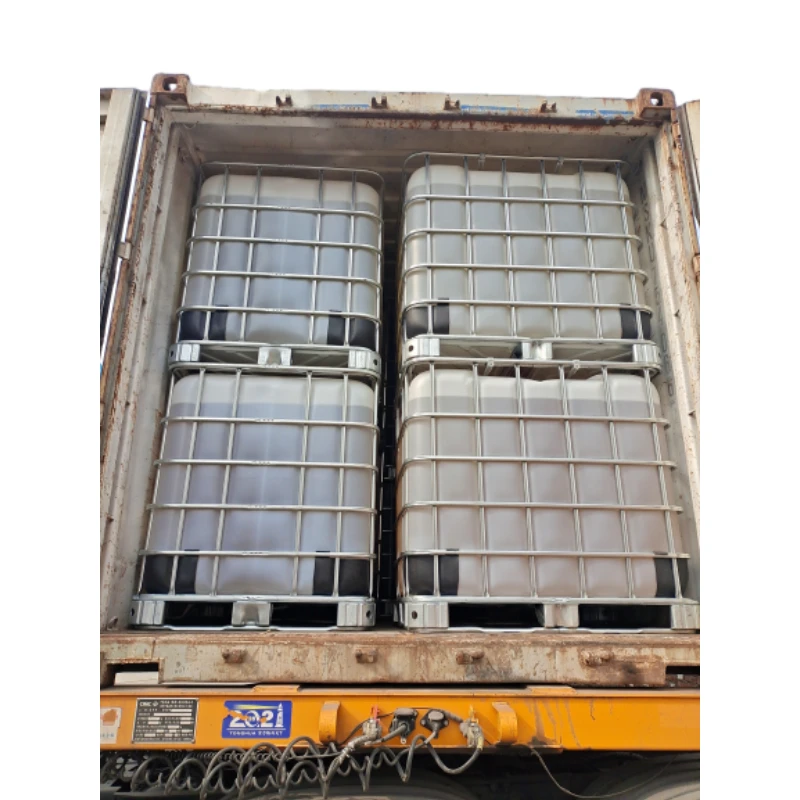
view more DiethanolisopropanolamineIn the ever-growing field of chemical solutions, diethanolisopropanolamine (DEIPA) stands out as a versatile and important compound. Due to its unique chemical structure and properties, DEIPA is of interest to various industries including construction, personal care, and agriculture. -
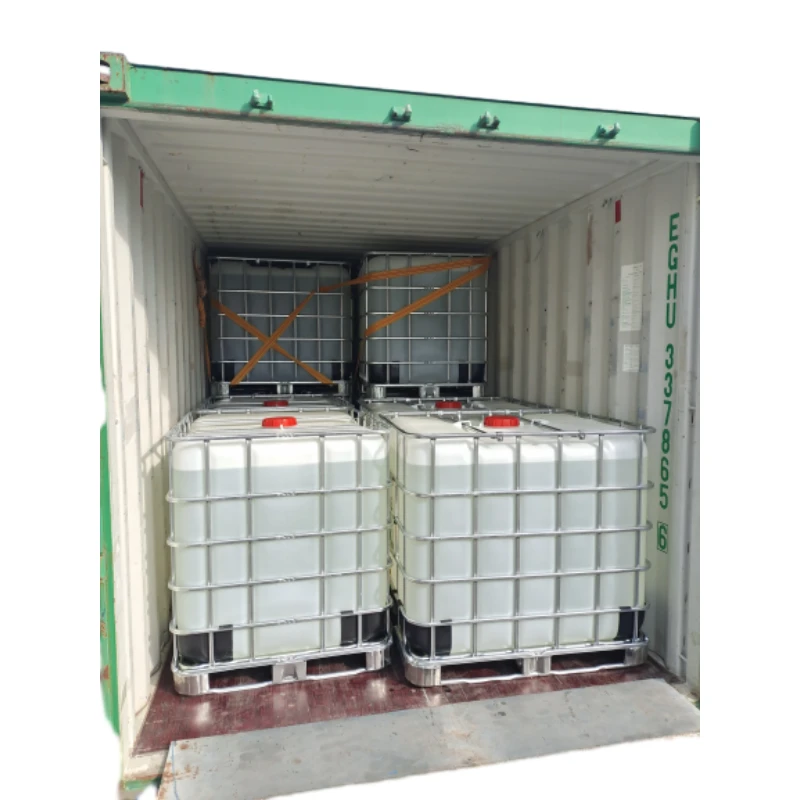
view more TriisopropanolamineTriisopropanolamine (TIPA) alkanol amine substance, is a kind of alcohol amine compound with amino and alcohol hydroxyl, and because of its molecules contains both amino and hydroxyl. -

view more Tetramethyl Thiuram DisulfideTetramethyl thiuram disulfide, also known as TMTD, is a white to light-yellow powder with a distinct sulfur-like odor. It is soluble in organic solvents such as benzene, acetone, and ethyl acetate, making it highly versatile for use in different formulations. TMTD is known for its excellent vulcanization acceleration properties, which makes it a key ingredient in the production of rubber products. Additionally, it acts as an effective fungicide and bactericide, making it valuable in agricultural applications. Its high purity and stability ensure consistent performance, making it a preferred choice for manufacturers across various industries.