





Understanding the Use of Pimaricin as a Natural Food Preservative in Modern Industries
Pimaricin as a Preservative An Overview
In the food industry, preserving freshness and preventing spoilage are paramount concerns. One of the substances that has gained attention for its preservative properties is pimaricin. Derived from natural sources, pimaricin is a polyene macrolide antibiotic that exhibits antifungal activities. Its ability to inhibit mold and yeast growth makes it a viable option for food preservation, particularly in products that are prone to microbial contamination.
Pimaricin, also known as natamycin, is produced by the fermentation of specific strains of bacteria, notably *Streptomyces natalensis*. It is recognized for its safety profile and effectiveness, distinguishing it from many synthetic preservatives that can evoke consumer distrust due to potential health risks. As a natural compound, pimaricin fits well within the growing trend of clean-label products that prioritize transparency and health-conscious ingredients.
The primary mechanism through which pimaricin exerts its antifungal properties lies in its interaction with the fungal cell membranes. Pimaricin binds to ergosterol, a vital component of fungal cell membranes, disrupting their integrity. This leads to increased cell permeability, ultimately resulting in cell death. Pimaricin is particularly effective against various pathogenic fungi, including yeast and molds that pose serious risks to food products.
One of the significant benefits of using pimaricin as a preservative is its effectiveness at low concentrations. This allows manufacturers to maintain product quality without affecting taste or texture. For instance, pimaricin is often used in dairy products, meat, and baked goods, extending their shelf life while preserving their sensory properties. In cheese production, for example, pimaricin can prevent the growth of molds, which can not only spoil the product but also produce mycotoxins harmful to human health.
pimaricin preservative
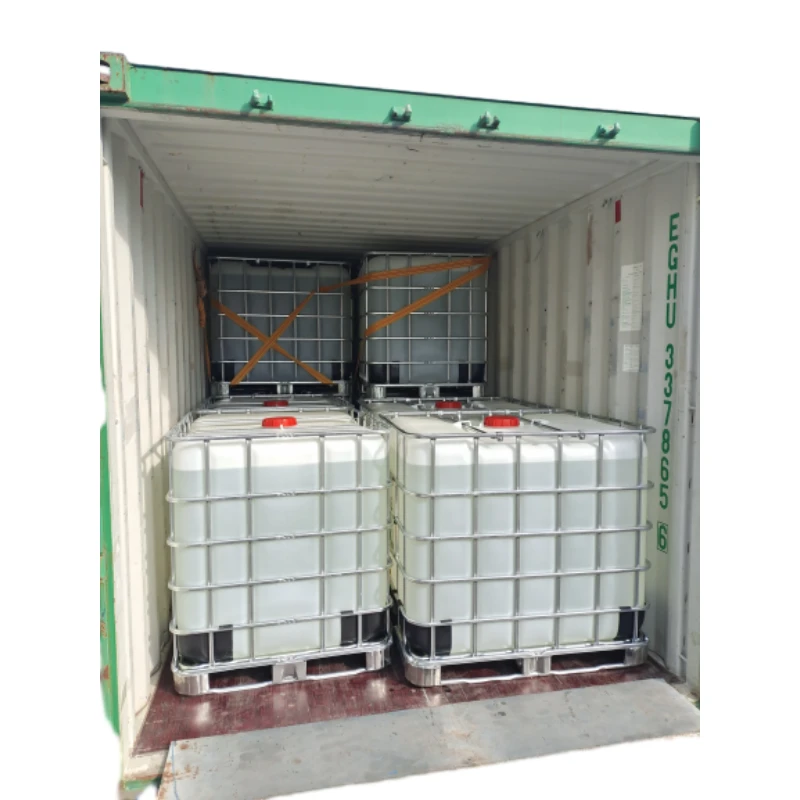
Despite its advantages, the use of pimaricin is not without limitations. Regulatory approval varies by region, and manufacturers need to comply with specific guidelines regarding the use of pimaricin in food products. In the European Union, for instance, pimaricin is authorized as a food additive, but its use must be declared on the product label, allowing consumers to make informed choices. Some consumers may also prefer to avoid additives altogether, even if they are natural, indicating a tension between market demand for convenience and a preference for minimally processed foods.
Moreover, the emergence of resistant microbial strains poses challenges for the long-term effectiveness of pimaricin and other preservatives. Continuous exposure to antifungal agents can lead to the development of resistance, undermining their efficacy. As such, it is crucial for the food industry to adopt a multifaceted approach to food preservation, combining various techniques and preservatives to mitigate this risk.
The potential for pimaricin extends beyond food preservation. Its antifungal properties have made it a candidate for use in pharmaceuticals, particularly in topical formulations for treating skin infections caused by fungi. Researchers are exploring its efficacy and safety in various applications, which may further expand its relevance in both the food and healthcare sectors.
In conclusion, pimaricin stands out as a valuable natural preservative with effective antifungal properties. Its ability to prolong the shelf life of food products while maintaining their sensory qualities makes it an attractive option for food manufacturers. However, understanding its limitations and regulatory considerations is crucial for its successful implementation. As consumer preferences continue to evolve, the demand for natural and effective preservatives like pimaricin will likely grow, shaping the future of food preservation methods. The ongoing research and development in this field promise to provide innovative solutions that balance food safety, quality, and consumer expectations.
-
Improve Crop Yield with Premium Calcium Boron FertilizerNewsJul.01,2026
-
Ultimate Guide to Cal Mag Fertilizer for Boosting Plant HealthNewsJun.29,2026
-
Maximize Crop Recovery Using High Performance Bounce Back FertilizerNewsJun.27,2026
-
Maximize Crop Yields and Soil Health with Biozyme FertilizerNewsJun.26,2026
-
Sustainable Agriculture Guide using bio organic fertilizerNewsJun.25,2026
-
Essential Guide to Sulfite Preservative Applications and BenefitsNewsJun.23,2026
-
Understanding Sugar Additives for Food Flavor and StabilityNewsJun.21,2026
Hebei Tenger Chemical Technology Co., Ltd. focuses on the chemical industry and is committed to the export service of chemical raw materials.
-

view more Tplyltriazole(TTA)Tplyltriazole is a powerful and versatile corrosion inhibitor,it is a white particle or powder that is easily hygroscopic and can be processed into large, small, columnar, fine, or powdered shapes.It is a highly effective solution for preventing rust and corrosion on a variety of metal surfaces, making it an ideal choice for a wide range of applications. -

view more Formic AcidFormic acid, is a colorless, pungent-smelling liquid.With its unique properties and diverse applications that serves a wide range of industrial and commercial applications. -

view more Aluminum HydroxideAluminum Hydroxide, a versatile and essential product for a wide range of applications.This product is a white, amorphous powder that is insoluble in water and has a variety of uses in industries such as pharmaceuticals, cosmetics, and manufacturing.