





Understanding the Role of Potassium Sorbate as a Food Preservative in Modern Diets
The Use of Potassium Sorbate in Food Benefits, Applications, and Safety
Potassium sorbate, a salt of sorbic acid, is widely recognized in the food industry for its effectiveness as a preservative. As food manufacturers continuously search for ways to enhance product shelf life while ensuring safety and quality, potassium sorbate has emerged as a popular choice. This article examines the benefits, common applications, and safety considerations associated with the use of potassium sorbate in food.
Understanding Potassium Sorbate
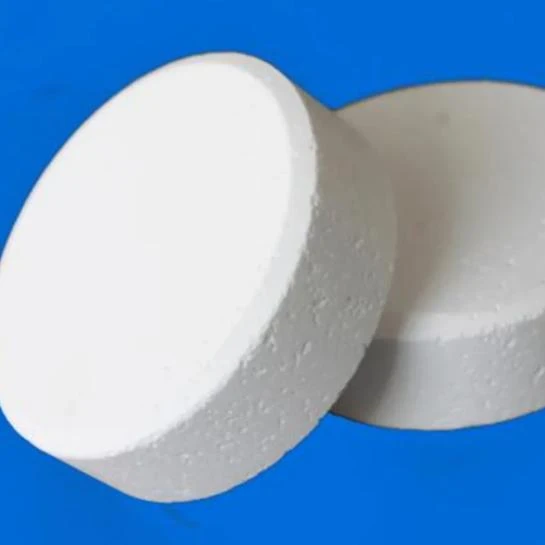
Potassium sorbate (C6H7KO2) is a white crystalline powder that is highly soluble in water. Primarily, it serves as an antimicrobial agent, preventing the growth of molds, yeasts, and some bacteria. This capability makes it particularly valuable for foods that are prone to spoilage, such as dairy products, baked goods, and beverages. Potassium sorbate is also recognized for its low toxicity, making it a favorable option compared to some other preservatives.
Benefits of Potassium Sorbate
One of the key advantages of potassium sorbate is its ability to extend the shelf life of food products. By inhibiting microbial growth, it helps maintain freshness and quality, allowing producers to reduce food waste and improve product availability. This is especially important in today's global marketplace, where food is transported over long distances.
Furthermore, potassium sorbate is effective at low concentrations, which minimizes the risk of altering the taste or appearance of the food. Unlike some preservatives that can impart a distinct flavor, potassium sorbate is generally considered to be neutral, making it easier for manufacturers to formulate products that appeal to consumers’ preferences.
Another benefit is its regulatory acceptance. Potassium sorbate is recognized as safe by health authorities, including the U.S. Food and Drug Administration (FDA) and the European Food Safety Authority (EFSA). This recognition offers consumers reassurance that products containing this preservative meet safety standards.
potassium sorbate use in food
Common Applications in Food Products
Potassium sorbate is utilized in a wide range of food products. In dairy, it is often used in cheese, yogurt, and cream products to prevent spoilage and extend shelf life. In baked goods, it helps retain freshness and prevents mold growth. It is also commonly found in fruit products, such as dried fruits and fruit juices, where it prevents fermentation and spoilage from yeast activity.
Beverages, including soft drinks and wine, also benefit from the preservative properties of potassium sorbate. In the wine industry, it is used to prevent unwanted fermentation in bottled wine, ensuring that the wine remains stable over time. Additionally, potassium sorbate is frequently found in sauces, dressings, and condiments, where it helps maintain product integrity.
Safety Considerations
While potassium sorbate is generally regarded as safe when used as directed, it is essential for both consumers and food manufacturers to understand its limitations and considerations. Some individuals may experience sensitivity or allergic reactions to potassium sorbate, albeit these instances are rare. Therefore, it is crucial for food labels to clearly indicate its presence, allowing consumers to make informed choices.
Moreover, like any additive, the key to safety lies in the quantity used. Regulatory agencies set limits on the allowable concentration of potassium sorbate in food products to ensure that they are well within safety margins. Consumers are encouraged to pay attention to these regulations and choose products from reputable sources that adhere to safety guidelines.
Conclusion
Potassium sorbate plays a vital role in the preservation of food products across various categories. Its effectiveness at low concentrations, combined with its safety profile, makes it a favored choice among food manufacturers seeking to enhance shelf life without compromising product quality. As consumers continue to prioritize food safety and quality, potassium sorbate remains an essential component of modern food preservation strategies. In understanding its applications and safety considerations, both consumers and industry stakeholders can appreciate the value that potassium sorbate brings to the food supply chain.
-
How to Choose Dimethyl Disulfide DMDS for Industrial UseNewsNov.09,2026
-
Aspartame Buyer FAQ: Sweetness, Specifications and ApplicationsNewsNov.02,2026
-
Aluminum Hydroxide FAQ: Specifications, Ordering and Support QuestionsNewsOct.28,2026
-
Improve Crop Yield with Premium Calcium Boron FertilizerNewsJul.01,2026
-
Ultimate Guide to Cal Mag Fertilizer for Boosting Plant HealthNewsJun.29,2026
-
Maximize Crop Recovery Using High Performance Bounce Back FertilizerNewsJun.27,2026
-
Maximize Crop Yields and Soil Health with Biozyme FertilizerNewsJun.26,2026
Hebei Tenger Chemical Technology Co., Ltd. focuses on the chemical industry and is committed to the export service of chemical raw materials.
-

view more Tplyltriazole(TTA)Tplyltriazole is a powerful and versatile corrosion inhibitor,it is a white particle or powder that is easily hygroscopic and can be processed into large, small, columnar, fine, or powdered shapes.It is a highly effective solution for preventing rust and corrosion on a variety of metal surfaces, making it an ideal choice for a wide range of applications. -

view more Formic AcidFormic acid, is a colorless, pungent-smelling liquid.With its unique properties and diverse applications that serves a wide range of industrial and commercial applications. -

view more Aluminum HydroxideAluminum Hydroxide, a versatile and essential product for a wide range of applications.This product is a white, amorphous powder that is insoluble in water and has a variety of uses in industries such as pharmaceuticals, cosmetics, and manufacturing.