





Production and Utilization of Ammonium Bicarbonate in Chemical Manufacturing Processes
The Ammonium Bicarbonate Factory Key Aspects and Importance
Ammonium bicarbonate, a compound with the formula NH4HCO3, is widely used in various industries, ranging from food production to agriculture. The manufacturing of ammonium bicarbonate involves the careful synthesis of ammonia and carbon dioxide, a process that highlights the importance of modern chemical engineering in meeting global demand. This article explores the essentials of an ammonium bicarbonate factory, its production processes, and its significance in numerous applications.
The production of ammonium bicarbonate primarily occurs in a chemical facility specifically designed to handle hazardous materials safely and efficiently. The factory typically involves several key sections, including ammonia synthesis, carbon dioxide production, and crystallization processes. The raw materials—ammonia and carbon dioxide—are often sourced from local suppliers, ensuring a stable supply chain and minimizing transportation costs.
The first step in the production process is to generate ammonia, which is typically obtained through the Haber-Bosch process. In this method, nitrogen and hydrogen gases are combined under high pressure and temperature in the presence of a catalyst, resulting in the formation of ammonia gas. This gas is then captured and purified for further use. Concurrently, carbon dioxide can be sourced from various industrial processes, including natural gas production or as a byproduct of ammonia production itself.
Once ammonia and carbon dioxide are available, they are combined in a reactor vessel in a controlled environment. The reaction between these two gases produces ammonium carbamate, an intermediate compound that subsequently decomposes to form ammonium bicarbonate. This reaction is exothermic, meaning it releases heat, which must be carefully managed to prevent overheating and maintain optimal production conditions.
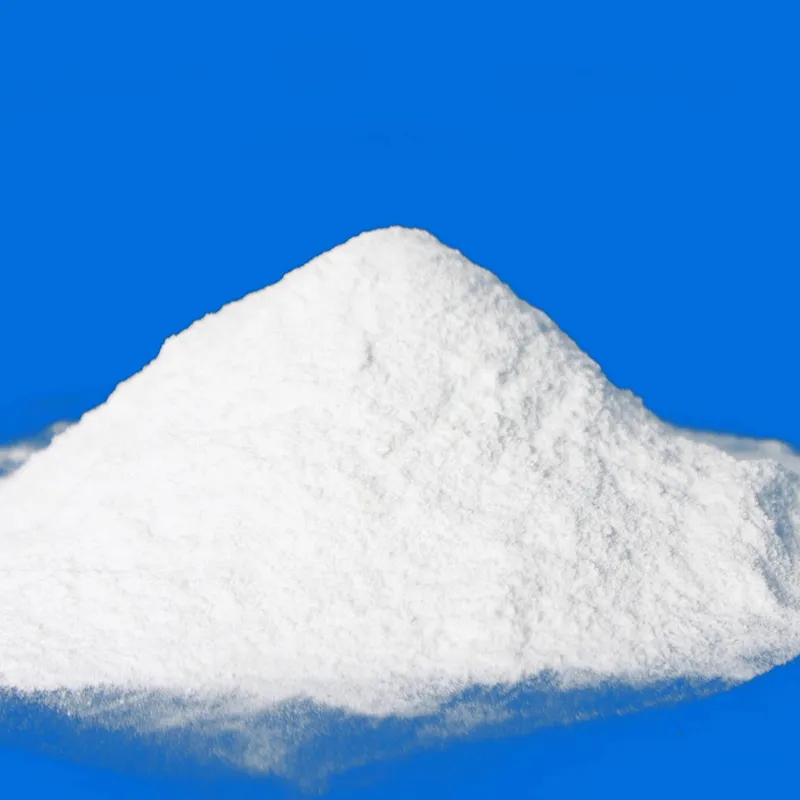
ammonium bicarbonate factory
Following the reaction, the solution is cooled and allowed to crystallize. The crystallization process is crucial, as it helps purify the ammonium bicarbonate and separate it from other byproducts. The resulting crystals are then harvested, dried, and packaged for distribution. Quality control is vital at every stage of production to ensure that the final product meets the required specifications for various applications.
Ammonium bicarbonate finds its most significant uses in four major sectors agriculture, food production, pharmaceuticals, and chemical manufacturing. In agriculture, it serves as a nitrogen source that promotes healthy plant growth. Farmers utilize it as a fertilizer due to its high nutrient content and effectiveness in enhancing crop yield.
In the food industry, ammonium bicarbonate acts as a leavening agent in baked goods, helping to create the desired texture and volume. It is especially favored in making cookies and crackers, where a quick acting leavening agent is advantageous. Moreover, it is used as a pH regulator, helping to maintain the stability and quality of various food products.
Furthermore, in the pharmaceutical sector, ammonium bicarbonate is used to produce various compounds and as a buffering agent in certain formulations. Its role in chemical manufacturing includes being a precursor in the synthesis of other ammonium compounds and fertilizers.
In conclusion, the ammonium bicarbonate factory is a vital component of modern industry, contributing significantly to agriculture, food production, and chemical synthesis. By employing advanced technology and adhering to stringent safety measures, these facilities not only meet the growing global demand for ammonium bicarbonate but also play a crucial role in supporting sustainable practices in various sectors. With ongoing innovations and a focus on optimizing production efficiency, the future of ammonium bicarbonate manufacturing appears promising, further solidifying its importance in the global economy.
-
How to Choose Dimethyl Disulfide DMDS for Industrial UseNewsNov.09,2026
-
Aspartame Buyer FAQ: Sweetness, Specifications and ApplicationsNewsNov.02,2026
-
Aluminum Hydroxide FAQ: Specifications, Ordering and Support QuestionsNewsOct.28,2026
-
Improve Crop Yield with Premium Calcium Boron FertilizerNewsJul.01,2026
-
Ultimate Guide to Cal Mag Fertilizer for Boosting Plant HealthNewsJun.29,2026
-
Maximize Crop Recovery Using High Performance Bounce Back FertilizerNewsJun.27,2026
-
Maximize Crop Yields and Soil Health with Biozyme FertilizerNewsJun.26,2026
Hebei Tenger Chemical Technology Co., Ltd. focuses on the chemical industry and is committed to the export service of chemical raw materials.
-

view more Tplyltriazole(TTA)Tplyltriazole is a powerful and versatile corrosion inhibitor,it is a white particle or powder that is easily hygroscopic and can be processed into large, small, columnar, fine, or powdered shapes.It is a highly effective solution for preventing rust and corrosion on a variety of metal surfaces, making it an ideal choice for a wide range of applications. -

view more Formic AcidFormic acid, is a colorless, pungent-smelling liquid.With its unique properties and diverse applications that serves a wide range of industrial and commercial applications. -

view more Aluminum HydroxideAluminum Hydroxide, a versatile and essential product for a wide range of applications.This product is a white, amorphous powder that is insoluble in water and has a variety of uses in industries such as pharmaceuticals, cosmetics, and manufacturing.