





Reliable Gelling Agents in Food Production | Tenger Chemical Insights
Understanding the Role of Gelling Agents in Food Production
Having spent a significant chunk of my career immersed in the industrial equipment sector—often edging into food-grade processing—I’ve seen how small ingredients, like gelling agents, can make a world of difference. You don’t normally hear consumers talk about these behind-the-scenes heroes, but in real terms, they’re central to the texture, stability, and shelf life of many products we casually enjoy every day.
A gelling agent, as the name suggests, is a substance that turns liquids into gels or semi-solid forms. They can be natural or synthetic and find usage in everything from dairy desserts, jams, and jellies to meat products and confectionery. Oddly enough, behind the simplicity of that wobbly cube of jelly lies careful chemistry and rigorous testing.
What strikes me, after years of dealing with industrial food equipment and formulations, is how nuanced the specifications for gelling agents can be. It’s not just “will it gel?” but “how fast, how firm, how cleanly, and under what conditions?” I recall a project where the customer needed a gel that set at low temperatures but didn’t break down during freezing — a tricky balance that required adjustment of the polymer type and its concentration.
Typical Product Specifications for Gelling Agents
| Specification | Typical Range | Notes |
|---|---|---|
| Gel Strength (Bloom) | 150–300 g | Determines firmness |
| pH Stability Range | 3.0–8.0 | Important for acidic foods |
| Setting Temperature | 2–20°C | Varies by polymer type |
| Solubility | High (≥90%) | Ensures even dispersion |
| Moisture Content | ≤12% | Affects storage and clumping |
People often overlook how much these specs affect processing equipment choices. For example, the viscosity and solubility parameters influence the stirrers and heaters you use, while pH stability guides whether you need corrosion-resistant pumps. I suppose that's the charm of working in this field: the fine balance between chemistry and machinery.
Comparing Leading Gelling Agent Suppliers
| Supplier | Product Range | Food Grade Certifications | Customization Options | Typical Lead Time |
|---|---|---|---|---|
| Tenger Chemical | Agar, Carrageenan, Pectin | ISO, HACCP, Halal | Blend & Grade Customization | 2–3 weeks |
| GelPro Ingredients | Gelatin, Xanthan Gum | FDA, Non-GMO | Standard Grades Only | 1–2 weeks |
| Natural Gels Inc. | Pectin, Alginate | Organic, Kosher | Custom Organic Blends | 3–4 weeks |
In my experience, suppliers like Tenger Chemical really stand out because they combine a broad product base with customization—a must-have in sophisticated food manufacturing. I once consulted for a bakery struggling with inconsistent jelly fillings. Switching to a tailored agar blend from Tenger improved not just texture but also yield stability, which was a win-win.
Frankly, even the best gelling agent won’t perform well without adequate testing. Trial batches, rheology measurements, and sensory panels remain critical. But when you nail the formula? That’s when you see smiles—from the production line right through to the customer’s palate.
So if you’re exploring ingredients for your food manufacturing process, dipping a toe into the world of gelling agents might just yield surprisingly sweet results. And if you want to know where to start, well... it feels like Tenger Chemical should be on your shortlist.
— Enjoyed these insights? Remember: behind every great product is a little science and a lot of good ingredients.
- Food Hydrocolloids: State of the Industry, Trends and Innovation — Journal of Food Science (2022)
- Gelling Agents in Food Processing—Materials and Applications, FoodTech Publishers (2021)
- Tenger Chemical Website & Product Resources – accessed 2024
-
The Essential Guide to Sorbates as Food Preservatives for SafetyNewsApr.16,2026
-
The Ultimate Guide to Sorbate Preservative in Modern IndustryNewsApr.09,2026
-
Comprehensive Guide to Sodium Stearoyl Lactylate Emulsifier Applications and BenefitsNewsApr.07,2026
-
Comprehensive Guide to Sodium Cyclamate Sweetener Properties and ApplicationsNewsApr.04,2026
-
Comprehensive Guide to Sodium Citrate Food Additive and Its ApplicationsNewsMar.31,2026
-
Comprehensive Guide to Sodium Bicarbonate Food Additive Applications and BenefitsNewsMar.28,2026
-
Understanding Sodium Benzoate Preservative in Cosmetics and Its ApplicationsNewsMar.26,2026
Hebei Tenger Chemical Technology Co., Ltd. focuses on the chemical industry and is committed to the export service of chemical raw materials.
-
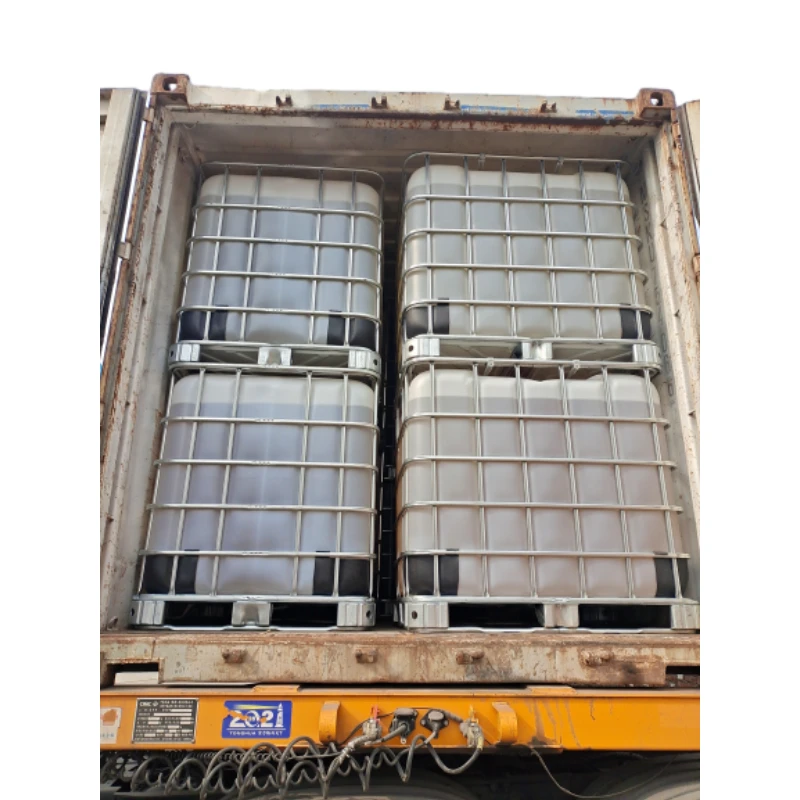
view more DiethanolisopropanolamineIn the ever-growing field of chemical solutions, diethanolisopropanolamine (DEIPA) stands out as a versatile and important compound. Due to its unique chemical structure and properties, DEIPA is of interest to various industries including construction, personal care, and agriculture. -
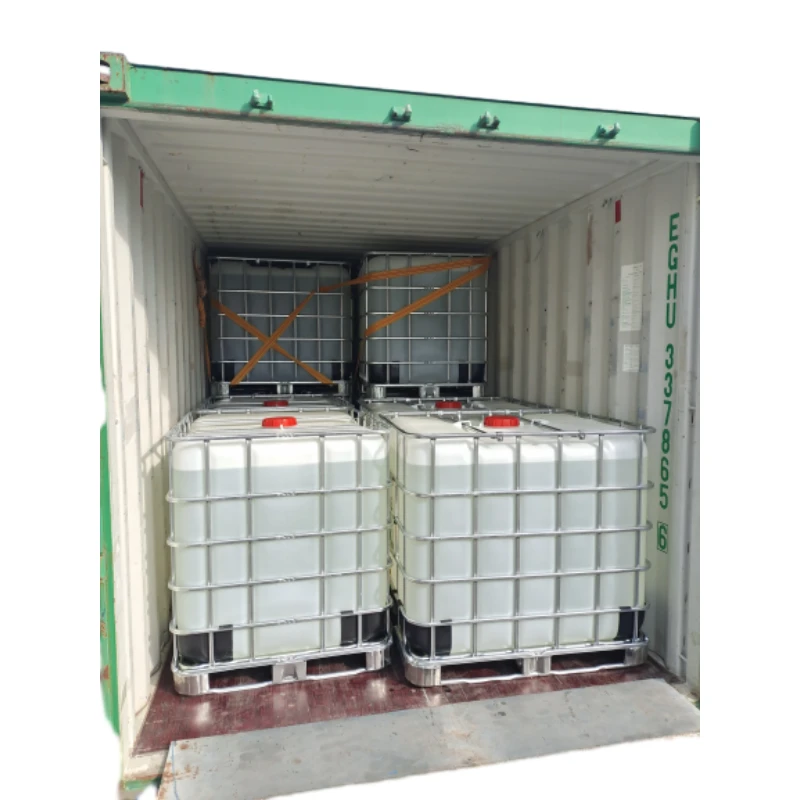
view more TriisopropanolamineTriisopropanolamine (TIPA) alkanol amine substance, is a kind of alcohol amine compound with amino and alcohol hydroxyl, and because of its molecules contains both amino and hydroxyl. -

view more Tetramethyl Thiuram DisulfideTetramethyl thiuram disulfide, also known as TMTD, is a white to light-yellow powder with a distinct sulfur-like odor. It is soluble in organic solvents such as benzene, acetone, and ethyl acetate, making it highly versatile for use in different formulations. TMTD is known for its excellent vulcanization acceleration properties, which makes it a key ingredient in the production of rubber products. Additionally, it acts as an effective fungicide and bactericide, making it valuable in agricultural applications. Its high purity and stability ensure consistent performance, making it a preferred choice for manufacturers across various industries.