





Rosemary Extract Food Additive A Comprehensive Guide for Industry and Consumers
Rosemary Extract as a Food Additive: A Comprehensive Guide
Rosemary extract, derived from the fragrant rosemary plant (Rosmarinus officinalis), is gaining significant traction as a natural food additive. Primarily used for its antioxidant and antimicrobial properties, it’s increasingly favored over synthetic alternatives. This article delves into the various applications, benefits, and considerations surrounding the use of rosemary extract in the food industry, offering a detailed overview for food manufacturers and consumers alike. It’s a versatile ingredient impacting food safety, shelf life, and even flavor profiles.
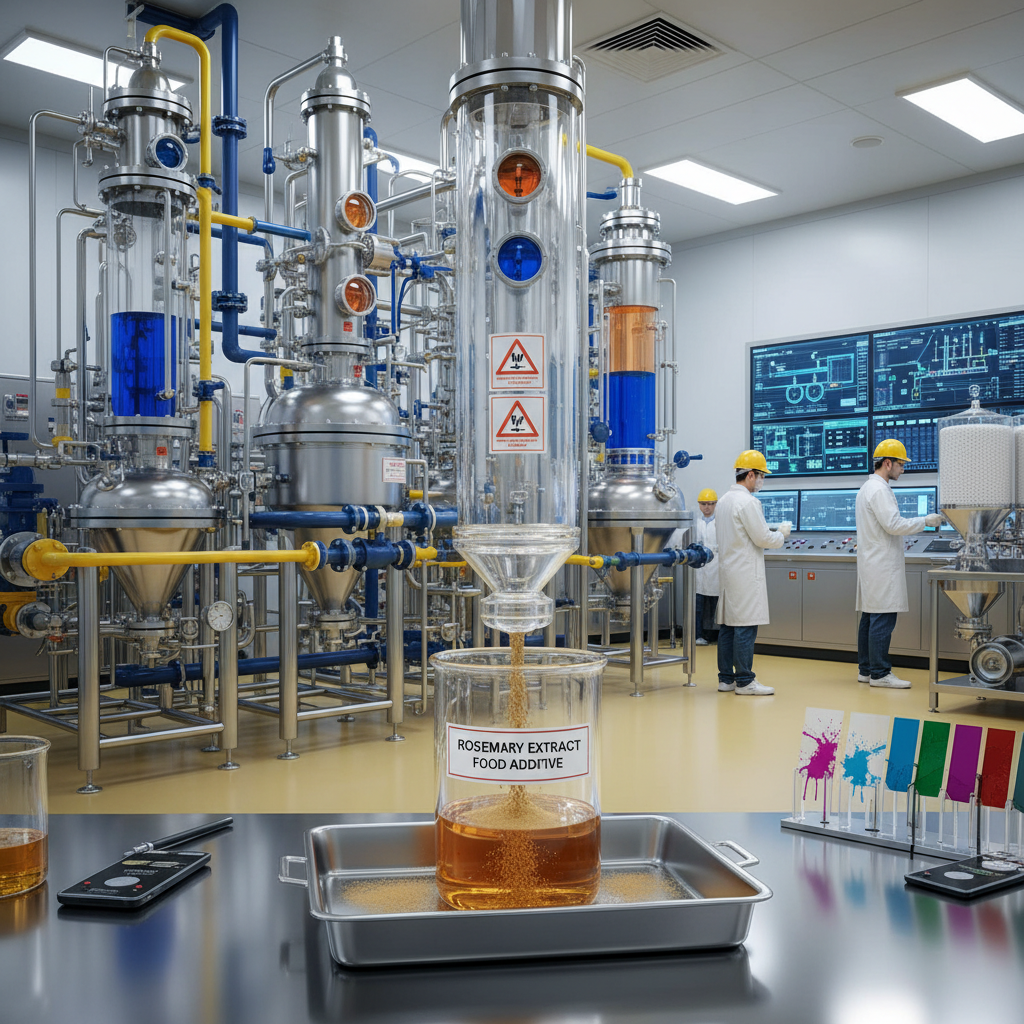
Understanding Rosemary Extract: Composition and Production
Rosemary extract isn't a single compound; it’s a complex mixture of bioactive constituents. Key among these are carnosic acid, rosmarinic acid, and carnosol – potent phenolic compounds responsible for the extract's antioxidant activity. Production typically involves solvent extraction (using ethanol, water, or supercritical CO2) from the rosemary leaves. The extraction method significantly impacts the final composition and quality of the extract. Tenger Chemical specializes in high-quality rosemary extract tailored to various food application requirements.
Key Highlights: Rosemary extract’s effectiveness stems from its rich phenolic content, particularly carnosic acid, rosmarinic acid, and carnosol. Different extraction methods yield varying concentrations of these compounds.
Key Applications of Rosemary Extract in the Food Industry
The versatility of rosemary extract makes it valuable in numerous food applications. Its primary role is as a natural antioxidant, preventing lipid oxidation in fats and oils – a major cause of rancidity and spoilage. It's widely used in meat products to maintain color and freshness, extending shelf life and reducing the need for synthetic preservatives. Additionally, it functions as an antimicrobial agent, inhibiting the growth of certain bacteria and fungi. This makes it a suitable additive in processed foods, sauces, and seasonings. It is also finding increased use in plant based meat substitutes.
Applications Overview:
• Meat and poultry products (color preservation, shelf-life extension)
• Fats and oils (prevention of rancidity)
• Sauces, dressings, and seasonings (antimicrobial properties)
• Snack foods (maintaining freshness)
• Plant Based Meat Substitutes (oxidation and colour stability)
Rosemary Extract Food Additive: Comparing with Synthetic Antioxidants
Traditionally, synthetic antioxidants like BHA (butylated hydroxyanisole) and BHT (butylated hydroxytoluene) have been used to prevent oxidation in foods. However, growing consumer demand for natural ingredients has driven a shift towards alternatives like rosemary extract. While synthetic antioxidants are highly effective, they've faced scrutiny due to potential health concerns. Rosemary extract offers a natural and consumer-friendly option, providing comparable antioxidant protection with a cleaner label appeal.
Dosage and Safety Considerations for Rosemary Extract
The optimal dosage of rosemary extract varies depending on the application and the desired effect. Typically, concentrations range from 0.01% to 0.1% in finished food products. Regulatory bodies like the FDA and EFSA have established acceptable daily intake (ADI) levels for rosemary extract and its components, ensuring its safety for consumption. While generally considered safe, some individuals may experience allergic reactions. Contact Tenger Chemical for detailed product specifications and safety data sheets.
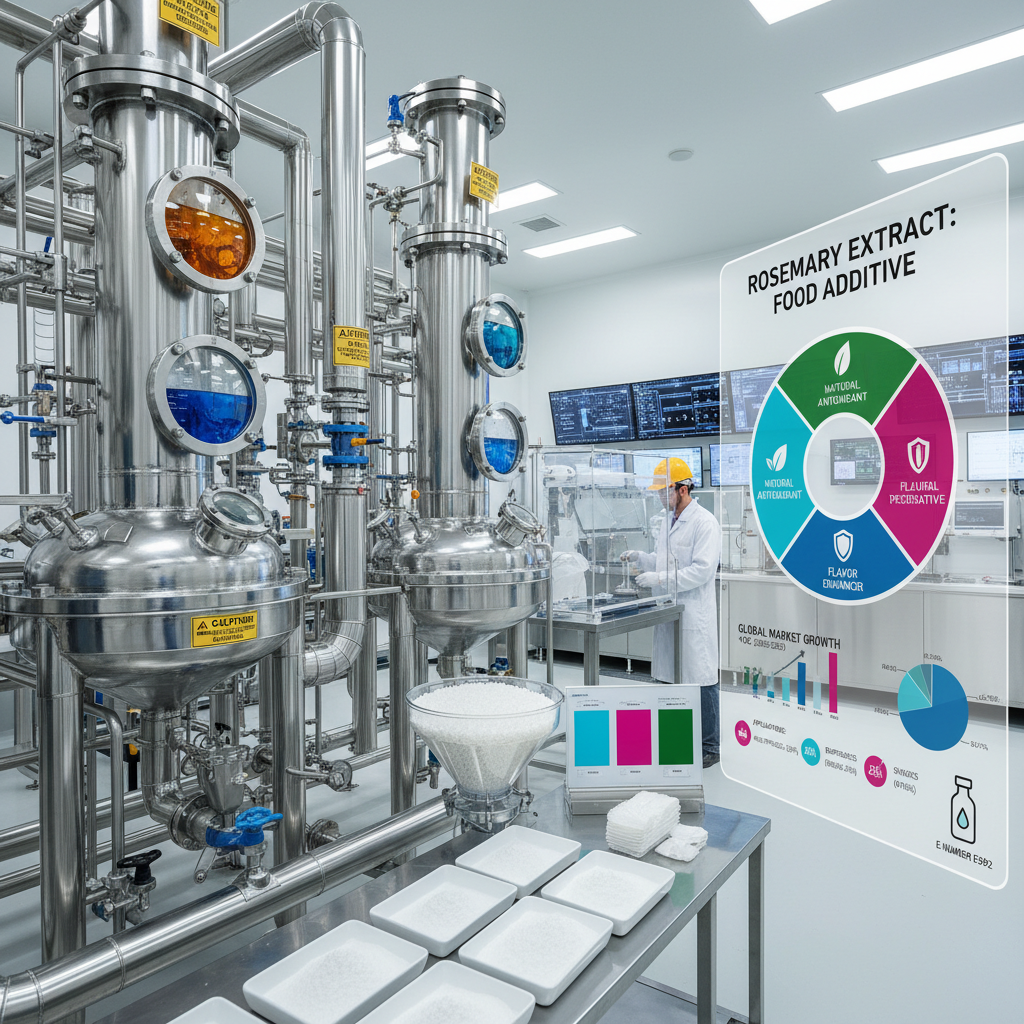
Product Specifications and Quality Control at Tenger Chemical
At Tenger Chemical, we are committed to providing high-quality rosemary extract that meets the stringent requirements of the food industry. Our product undergoes rigorous testing for purity, potency, and compliance with relevant regulations. We offer various grades tailored to specific applications, including water-soluble and oil-soluble extracts.
Conclusion: Embracing Natural Preservation with Rosemary Extract
Rosemary extract offers a compelling alternative to synthetic antioxidants, providing a natural, effective, and consumer-friendly solution for food preservation. Its versatility, combined with its proven benefits, makes it an increasingly popular choice for food manufacturers seeking to enhance product quality and meet evolving consumer demands. Tenger Chemical is your trusted partner for sourcing premium rosemary extract.
Frequently Asked Questions (FAQs)
What is the shelf life of rosemary extract?
When stored properly in a cool, dry, and dark place, rosemary extract generally has a shelf life of 2-3 years. However, it's essential to check the product’s Certificate of Analysis (COA) for specific expiration dates. Exposure to light, heat, and air can degrade its potency. Proper packaging, such as sealed containers and nitrogen flushing, helps extend its shelf life.
Can rosemary extract affect the flavor of food products?
At low concentrations, rosemary extract typically doesn't impart a noticeable flavor. However, higher concentrations can contribute a slightly herbal or pine-like aroma. Careful dosage control is essential to avoid impacting the desired flavor profile of the finished product. Different grades and formulations of rosemary extract can also have varying flavor characteristics.
Is rosemary extract suitable for vegan and vegetarian diets?
Yes, rosemary extract is derived from a plant source and is entirely suitable for both vegan and vegetarian diets. It's a naturally derived ingredient and doesn't involve any animal products or byproducts in its production. This makes it a popular choice for manufacturers catering to plant-based consumers.
What are the regulatory considerations for using rosemary extract in food?
Rosemary extract is generally recognized as safe (GRAS) by the FDA in the United States and is approved for use as a food additive in many other countries. However, it’s crucial to ensure the rosemary extract used meets purity standards and adheres to the permitted usage levels outlined by regulatory bodies in the target market. Compliance with labeling requirements is also essential.
-
The Essential Guide to Sorbates as Food Preservatives for SafetyNewsApr.16,2026
-
The Ultimate Guide to Sorbate Preservative in Modern IndustryNewsApr.09,2026
-
Comprehensive Guide to Sodium Stearoyl Lactylate Emulsifier Applications and BenefitsNewsApr.07,2026
-
Comprehensive Guide to Sodium Cyclamate Sweetener Properties and ApplicationsNewsApr.04,2026
-
Comprehensive Guide to Sodium Citrate Food Additive and Its ApplicationsNewsMar.31,2026
-
Comprehensive Guide to Sodium Bicarbonate Food Additive Applications and BenefitsNewsMar.28,2026
-
Understanding Sodium Benzoate Preservative in Cosmetics and Its ApplicationsNewsMar.26,2026
Hebei Tenger Chemical Technology Co., Ltd. focuses on the chemical industry and is committed to the export service of chemical raw materials.
-
view more DiethanolisopropanolamineIn the ever-growing field of chemical solutions, diethanolisopropanolamine (DEIPA) stands out as a versatile and important compound. Due to its unique chemical structure and properties, DEIPA is of interest to various industries including construction, personal care, and agriculture. -
view more TriisopropanolamineTriisopropanolamine (TIPA) alkanol amine substance, is a kind of alcohol amine compound with amino and alcohol hydroxyl, and because of its molecules contains both amino and hydroxyl. -

view more Tetramethyl Thiuram DisulfideTetramethyl thiuram disulfide, also known as TMTD, is a white to light-yellow powder with a distinct sulfur-like odor. It is soluble in organic solvents such as benzene, acetone, and ethyl acetate, making it highly versatile for use in different formulations. TMTD is known for its excellent vulcanization acceleration properties, which makes it a key ingredient in the production of rubber products. Additionally, it acts as an effective fungicide and bactericide, making it valuable in agricultural applications. Its high purity and stability ensure consistent performance, making it a preferred choice for manufacturers across various industries.