




Optimizing Chemical Processes with SBR Technology for Enhanced Performance and Efficiency
Understanding SBR Chemical Properties, Applications, and Innovations
Styrene-butadiene rubber (SBR) is a synthetic copolymer made from the monomers styrene and butadiene. It has become a fundamental material extensively used in various industries due to its excellent properties and versatility. Developed in the 1930s, SBR emerged as an alternative to natural rubber, particularly during World War II when rubber supplies were compromised. Today, it continues to play a vital role in modern manufacturing and product design.
Properties of SBR
SBR exhibits a range of desirable characteristics that make it well-suited for numerous applications. One key property is its durability. The rubber can withstand wear and tear, making it ideal for manufacturing tires, footwear, and automotive parts. Additionally, SBR has good resistance to abrasion, heat, and aging, which ensures the longevity of products made from it.
Another significant property of SBR is its excellent tensile strength and elasticity. These qualities allow SBR to stretch without breaking, a critical feature for items like tires that need to maintain functionality while under stress. SBR also has decent chemical resistance, although it is less resistant to oils and solvents compared to some other synthetic rubbers.
Applications of SBR
The primary application of SBR has been in the automotive industry, particularly in the production of tires. Approximately 50% of all SBR produced globally is used in tire manufacturing, where it contributes to the tread and sidewall of tires, providing essential performance parameters such as traction, grip, and durability.
Beyond tires, SBR is used in a variety of other applications. It serves as an essential component in various adhesives, sealants, and coatings, where its excellent bonding properties are beneficial. In additional applications, SBR is found in rubber mats, conveyor belts, and flooring materials due to its resilience and ability to absorb shock.
sbr chemical
Moreover, SBR is important in the production of toy and sporting goods manufacturing due to its safety features and the comfort it provides. Over the years, SBR formulations have been developed to enhance specific attributes, meeting the diverse requirements of manufacturers and consumers alike.
Innovations in SBR Technology
The SBR industry has seen significant technological advancements in recent years. Researchers have been actively working on improving the properties of SBR to meet the growing demands of various industries. For instance, the development of high-styrene content SBR has allowed manufacturers to produce rubber with enhanced strength and improved performance characteristics.
Another innovative trend is the increasing focus on sustainability. With the rising environmental concerns, the SBR industry has been exploring the use of bio-based raw materials and recycling processes. By integrating sustainable practices, manufacturers aim to create eco-friendly products while reducing the carbon footprint associated with SBR production.
Furthermore, the introduction of nanotechnology has opened new avenues for enhancing the performance of SBR. By incorporating nanoparticles into the SBR matrix, manufacturers can significantly improve properties such as thermal stability and mechanical strength. This advancement paves the way for the production of high-performance materials that can meet demanding industrial requirements.
Conclusion
Styrene-butadiene rubber (SBR) stands out as a pivotal synthetic material with a unique combination of properties that cater to a wide range of applications. As industries evolve and technology advances, SBR continues to adapt, enhancing its features and addressing modern needs. With an eye toward sustainability and ongoing innovation, SBR is set to remain an integral component in manufacturing, shaping the future of products worldwide. As consumers demand higher performance and environmentally friendly materials, the ongoing development of SBR chemistry will likely play a critical role in meeting those expectations, ensuring its relevance for years to come.
-
How to Choose Dimethyl Disulfide DMDS for Industrial UseNewsNov.09,2026
-
Aspartame Buyer FAQ: Sweetness, Specifications and ApplicationsNewsNov.02,2026
-
Aluminum Hydroxide FAQ: Specifications, Ordering and Support QuestionsNewsOct.28,2026
-
Improve Crop Yield with Premium Calcium Boron FertilizerNewsJul.01,2026
-
Ultimate Guide to Cal Mag Fertilizer for Boosting Plant HealthNewsJun.29,2026
-
Maximize Crop Recovery Using High Performance Bounce Back FertilizerNewsJun.27,2026
-
Maximize Crop Yields and Soil Health with Biozyme FertilizerNewsJun.26,2026
Hebei Tenger Chemical Technology Co., Ltd. focuses on the chemical industry and is committed to the export service of chemical raw materials.
-
view more Tplyltriazole(TTA)Tplyltriazole is a powerful and versatile corrosion inhibitor,it is a white particle or powder that is easily hygroscopic and can be processed into large, small, columnar, fine, or powdered shapes.It is a highly effective solution for preventing rust and corrosion on a variety of metal surfaces, making it an ideal choice for a wide range of applications. -
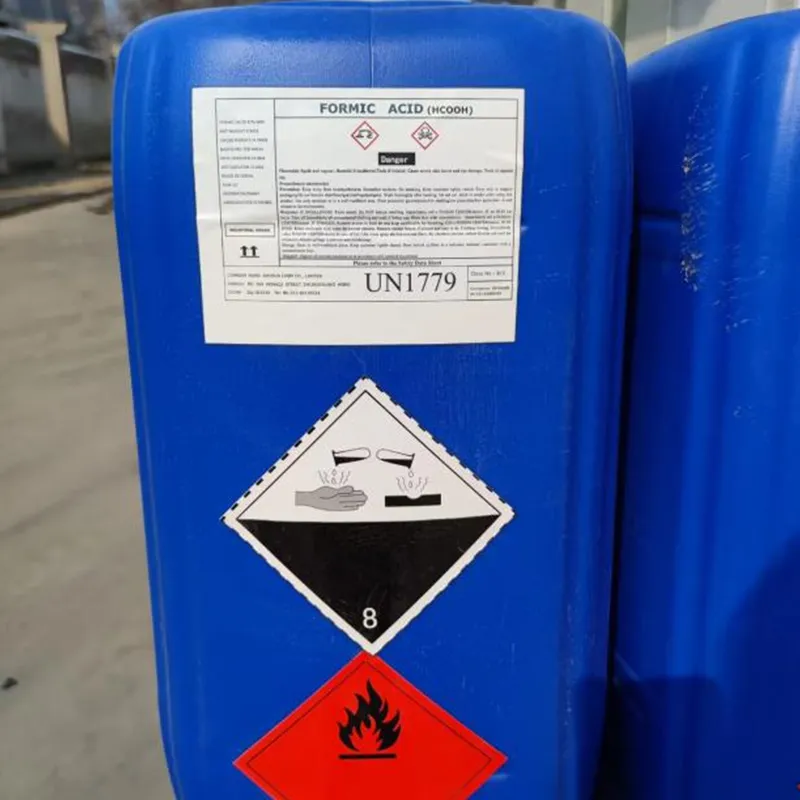
view more Formic AcidFormic acid, is a colorless, pungent-smelling liquid.With its unique properties and diverse applications that serves a wide range of industrial and commercial applications. -
view more Aluminum HydroxideAluminum Hydroxide, a versatile and essential product for a wide range of applications.This product is a white, amorphous powder that is insoluble in water and has a variety of uses in industries such as pharmaceuticals, cosmetics, and manufacturing.