





SO2 as Food Preservative A Comprehensive Guide to Applications and Safety
SO2 as Food Preservative: A Comprehensive Guide
Sulfur dioxide (SO2) has been employed as a food preservative for centuries, valued for its antimicrobial and antioxidant properties. Its effectiveness in preventing spoilage, coupled with its relatively low cost, has made it a staple in various food and beverage industries. This article will delve into the applications, benefits, safety considerations, and regulatory aspects of using SO2 as a food preservative, providing a detailed overview for food manufacturers, quality control professionals, and consumers. Understanding its nuances is crucial for maintaining food safety and quality while adhering to industry standards.
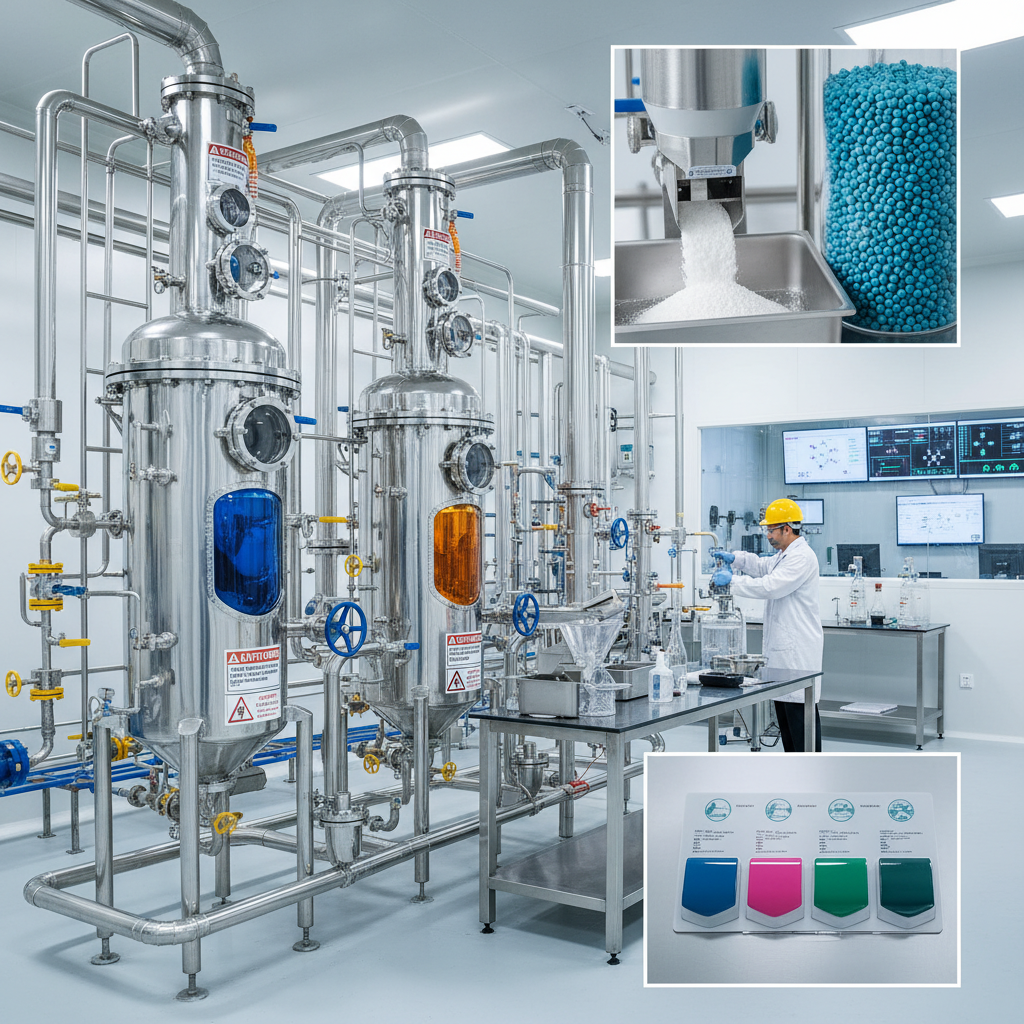
How Does SO2 Function as a Preservative?
SO2's preservative action stems from several mechanisms. Firstly, it inhibits the growth of bacteria, yeasts, and molds, which are primary agents of food spoilage. It achieves this by interfering with their cellular functions, particularly enzyme systems. Secondly, SO2 acts as an antioxidant, preventing enzymatic browning reactions that can affect the color and flavor of fruits and vegetables. This is particularly important in preserving the visual appeal of dried fruits. Moreover, it can reduce the rate of oxidation of lipids, preventing rancidity in fatty foods. The versatility of SO2 makes it suitable for a diverse range of applications, extending the shelf life and maintaining the quality of numerous food products.
Key Mechanisms: Inhibition of microbial growth, antioxidant activity, prevention of enzymatic browning, and reduction of lipid oxidation.
Common Applications of SO2 in Food Preservation
SO2 is widely used in the preservation of various food and beverage items. Dried fruits, such as apricots, raisins, and prunes, commonly contain SO2 to maintain their color and prevent spoilage. It is also used in winemaking to control unwanted microbial activity, prevent oxidation, and stabilize the flavor profile. Fruit juices, particularly those made from apples and pears, utilize SO2 to prevent browning and maintain freshness. Additionally, SO2 is employed in the curing of meats to inhibit the growth of Clostridium botulinum, the bacterium responsible for botulism. Its ability to inhibit microbial growth and preserve color makes it an indispensable tool in many food processing operations. You can source high-quality SO2 from reliable chemical suppliers.
SO2 Applications:
• Dried Fruits: Maintains color and prevents spoilage.
• Winemaking: Controls microbial activity and stabilizes flavor.
• Fruit Juices: Prevents browning and maintains freshness.
• Meat Curing: Inhibits Clostridium botulinum growth.
SO2 Levels in Food: Regulations and Limits
The use of SO2 in food is strictly regulated by various authorities, including the Food and Drug Administration (FDA) in the United States and the European Food Safety Authority (EFSA) in Europe. These regulations establish maximum permissible levels of SO2 in different food categories to ensure consumer safety. For example, the permitted level in dried fruits typically ranges from 500 to 2000 ppm (parts per million), while in wine, it's generally capped at 160 ppm. Manufacturers are required to declare the presence of SO2, or sulfites, on the product label, particularly if levels exceed 10 ppm. Compliance with these regulations is critical to avoid penalties and maintain consumer trust.
Safety Considerations and Potential Allergies
While SO2 is generally considered safe at permitted levels, it can cause adverse reactions in sensitive individuals, particularly those with asthma or sulfite sensitivity. Symptoms of sulfite sensitivity can include wheezing, hives, itching, and in severe cases, anaphylaxis. Therefore, accurate labeling is crucial to allow individuals to make informed choices. Manufacturers must clearly declare the presence of sulfites on product packaging. Furthermore, proper handling and storage of SO2 are essential to prevent accidental exposure. Always refer to the Material Safety Data Sheet (MSDS) for detailed safety information. Tenger Chemical provides comprehensive MSDS documentation for all its products.

The Future of SO2 in Food Preservation
Despite increasing consumer demand for “clean label” products with minimal additives, SO2 continues to play a vital role in food preservation. Ongoing research focuses on optimizing its use, minimizing levels while maintaining effectiveness, and exploring alternative preservation techniques. The development of new delivery systems and encapsulation technologies may allow for more targeted and controlled release of SO2, reducing the overall amount required. Furthermore, a deeper understanding of sulfite sensitivity and the development of improved detection methods will contribute to enhanced food safety and consumer protection.
Conclusion: A Continued Role for SO2
SO2 remains a powerful and versatile tool in food preservation, offering significant benefits in terms of shelf life extension and quality maintenance. While safety concerns and regulatory scrutiny require careful consideration, its continued use is likely, particularly in applications where alternatives are less effective or economically viable. By prioritizing responsible sourcing, adherence to regulations, and accurate labeling, the food industry can harness the benefits of SO2 as a food preservative while safeguarding consumer health.
Frequently Asked Questions (FAQs)
What are the symptoms of sulfite sensitivity?
Symptoms of sulfite sensitivity can vary in severity. Mild reactions may include skin rashes, hives, itching, and gastrointestinal upset. More severe reactions can involve asthma-like symptoms such as wheezing, shortness of breath, and chest tightness. In rare cases, anaphylaxis, a life-threatening allergic reaction, can occur. Individuals with asthma are particularly susceptible to sulfite sensitivity. If you suspect you may have a sulfite sensitivity, it's important to consult with a healthcare professional for proper diagnosis and management. Avoiding foods containing sulfites is the primary way to manage the condition.
Is SO2 the same as sulfites?
While often used interchangeably, SO2 isn't exactly the same as sulfites. SO2 is the base chemical compound, while sulfites are a group of compounds derived from SO2. These include potassium metabisulfite, sodium sulfite, sodium bisulfite, and potassium bisulfite. When SO2 dissolves in water, it forms sulfurous acid, which then breaks down into bisulfite and sulfite ions. So, when a food label lists "sulfites," it means one or more of these sulfite compounds are present.
Are there any natural sources of SO2?
Yes, SO2 is naturally produced during the fermentation process in foods like wine and beer. It's also released during the burning of fossil fuels and volcanic eruptions. However, the levels of SO2 found in these natural sources are typically much lower than those added as a preservative. While natural SO2 contributes to the flavor profile of certain foods, it is not sufficient to provide the same level of preservation as intentionally added SO2.
-
The Essential Guide to Sorbates as Food Preservatives for SafetyNewsApr.16,2026
-
The Ultimate Guide to Sorbate Preservative in Modern IndustryNewsApr.09,2026
-
Comprehensive Guide to Sodium Stearoyl Lactylate Emulsifier Applications and BenefitsNewsApr.07,2026
-
Comprehensive Guide to Sodium Cyclamate Sweetener Properties and ApplicationsNewsApr.04,2026
-
Comprehensive Guide to Sodium Citrate Food Additive and Its ApplicationsNewsMar.31,2026
-
Comprehensive Guide to Sodium Bicarbonate Food Additive Applications and BenefitsNewsMar.28,2026
-
Understanding Sodium Benzoate Preservative in Cosmetics and Its ApplicationsNewsMar.26,2026
Hebei Tenger Chemical Technology Co., Ltd. focuses on the chemical industry and is committed to the export service of chemical raw materials.
-
view more DiethanolisopropanolamineIn the ever-growing field of chemical solutions, diethanolisopropanolamine (DEIPA) stands out as a versatile and important compound. Due to its unique chemical structure and properties, DEIPA is of interest to various industries including construction, personal care, and agriculture. -
view more TriisopropanolamineTriisopropanolamine (TIPA) alkanol amine substance, is a kind of alcohol amine compound with amino and alcohol hydroxyl, and because of its molecules contains both amino and hydroxyl. -

view more Tetramethyl Thiuram DisulfideTetramethyl thiuram disulfide, also known as TMTD, is a white to light-yellow powder with a distinct sulfur-like odor. It is soluble in organic solvents such as benzene, acetone, and ethyl acetate, making it highly versatile for use in different formulations. TMTD is known for its excellent vulcanization acceleration properties, which makes it a key ingredient in the production of rubber products. Additionally, it acts as an effective fungicide and bactericide, making it valuable in agricultural applications. Its high purity and stability ensure consistent performance, making it a preferred choice for manufacturers across various industries.