





Exploring the Effects and Uses of Sweeteners in Food Products
The Sweetener Revolution Understanding the Role of INS 960
In recent years, the global food industry has seen a significant shift towards healthier, low-calorie alternatives to sugar. As consumers become increasingly health-conscious, artificial sweeteners have gained immense popularity. One such sweetener that has captured attention is INS 960. This article explores INS 960, its applications, safety concerns, and its role in the quest for healthier dietary choices.
What is INS 960?
INS 960, also known as E960, refers specifically to an artificial sweetener named Steviol glycosides. These glycosides are derived from the leaves of the Stevia rebaudiana plant, a small shrub native to South America. The sweetness of Stevia is attributed to its active compounds, steviol glycosides, which can be 50 to 300 times sweeter than sugar.
Steviol glycosides are increasingly used in food and beverage products as a natural, low-calorie sweetener. Since they are extracted from a plant source, they are often marketed as a natural alternative to synthetic sweeteners. This increased consumer interest aligns with the broader trend of seeking natural ingredients that provide health benefits.
Applications of INS 960
INS 960 is widely used across various sectors of the food and beverage industry. These applications include
1. Soft Drinks Many beverage manufacturers have turned to INS 960 to create low-calorie versions of their products. Stevia's ability to deliver sweetness without the calories of sugar makes it an appealing choice for soft drinks.
2. Baked Goods In the realm of baking, INS 960 serves as a sugar substitute in cakes, cookies, and other treats. It allows for the preservation of sweetness while significantly reducing calorie content.
3. Dairy Products Yogurts and flavored milk often use INS 960 to sweeten their products without the added sugar, catering to health-conscious consumers.
sweetener ins 960
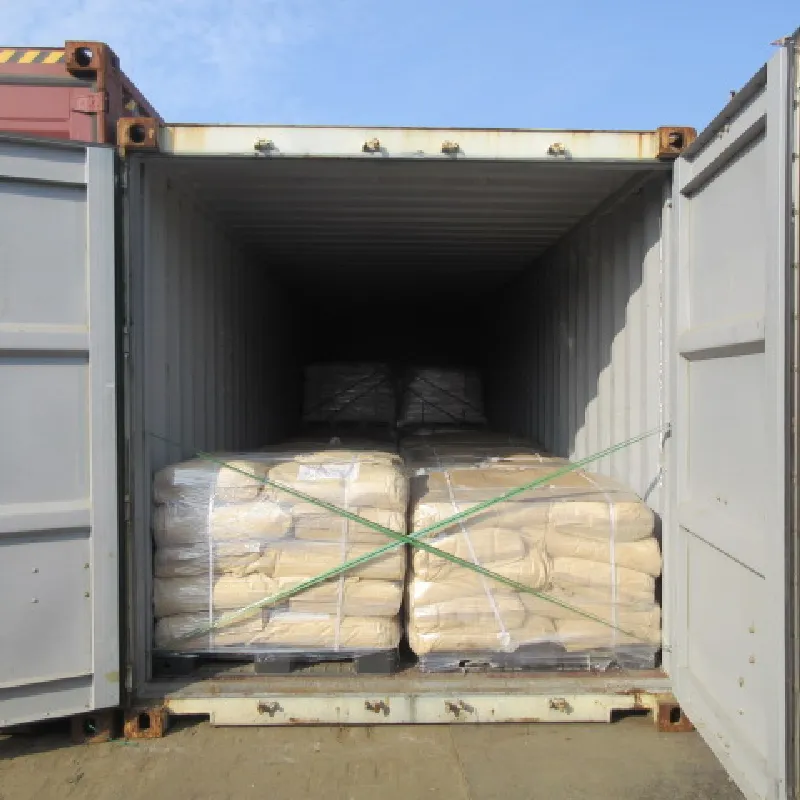
4. Condiments and Sauces Some industries have started to incorporate INS 960 in ketchup, barbecue sauce, and salad dressings to offer reduced-calorie options.
By offering a sweet taste without the associated calories, INS 960 allows manufacturers to cater to the growing demand for healthier food choices.
Safety and Regulatory Status
The safety of sweeteners is a paramount concern for both consumers and regulatory authorities. INS 960 has undergone extensive evaluation by organizations such as the European Food Safety Authority (EFSA) and the U.S. Food and Drug Administration (FDA), both deeming it safe for human consumption. These institutions have established acceptable daily intake (ADI) levels, providing guidelines for its use in food products.
Some criticisms have arisen regarding the aftertaste associated with steviol glycosides, which can be perceived as somewhat bitter or licorice-like. Nevertheless, many consumers have found that the benefits of using a natural sweetener outweigh these concerns.
The Future of INS 960
As the trend toward healthier eating continues to grow, the market for artificial sweeteners like INS 960 is likely to expand. Food scientists are actively researching better extraction methods and improving flavor profiles to address consumer feedback. Innovations such as blending Steviol glycosides with other natural sweeteners may help mitigate the aftertaste and enhance overall product appeal.
Moreover, as public awareness of the health implications of sugar consumption rises, INS 960’s role in various diets, such as keto, paleo, and diabetic-friendly menus, positions it as a staple in the future of food production.
Conclusion
INS 960, or Steviol glycosides, represents a significant advancement in the food industry’s move toward healthier alternatives. Its versatility in applications, safety profile, and natural origin make it an attractive choice for manufacturers seeking to reduce sugar content in their products. As consumer preferences evolve, embracing lower-calorie, natural sweeteners will likely play an integral part in shaping the future of our diets and food choices. By understanding the role of sweeteners like INS 960, we can make more informed decisions about the products we consume and pave the way for a healthier tomorrow.
-
Aspartame Buyer FAQ: Sweetness, Specifications and ApplicationsNewsNov.02,2026
-
Aluminum Hydroxide FAQ: Specifications, Ordering and Support QuestionsNewsOct.28,2026
-
Improve Crop Yield with Premium Calcium Boron FertilizerNewsJul.01,2026
-
Ultimate Guide to Cal Mag Fertilizer for Boosting Plant HealthNewsJun.29,2026
-
Maximize Crop Recovery Using High Performance Bounce Back FertilizerNewsJun.27,2026
-
Maximize Crop Yields and Soil Health with Biozyme FertilizerNewsJun.26,2026
-
Sustainable Agriculture Guide using bio organic fertilizerNewsJun.25,2026
Hebei Tenger Chemical Technology Co., Ltd. focuses on the chemical industry and is committed to the export service of chemical raw materials.
-

view more Tplyltriazole(TTA)Tplyltriazole is a powerful and versatile corrosion inhibitor,it is a white particle or powder that is easily hygroscopic and can be processed into large, small, columnar, fine, or powdered shapes.It is a highly effective solution for preventing rust and corrosion on a variety of metal surfaces, making it an ideal choice for a wide range of applications. -

view more Formic AcidFormic acid, is a colorless, pungent-smelling liquid.With its unique properties and diverse applications that serves a wide range of industrial and commercial applications. -

view more Aluminum HydroxideAluminum Hydroxide, a versatile and essential product for a wide range of applications.This product is a white, amorphous powder that is insoluble in water and has a variety of uses in industries such as pharmaceuticals, cosmetics, and manufacturing.