





Exploring the World of Sugar-Based Preservatives for Delicious Treats
Sweet Preservatives Enhancing Flavor and Extending Shelf Life
In the modern culinary landscape, the quest for flavor and freshness continuously drives innovation in food preservation techniques. Among the various methods employed, sweet preservatives have emerged as a popular choice for both commercial food manufacturers and home cooks. But what exactly are sweet preservatives, and why are they so significant in our everyday diet?
Understanding Sweet Preservatives
Sweet preservatives are substances added to food items to enhance their sweetness while also prolonging their shelf life. These can be natural sugars like honey and maple syrup or synthetic alternatives such as high-fructose corn syrup and artificial sweeteners like aspartame and sucralose. The dual functionality of sweet preservatives makes them particularly appealing, as they not only amplify the flavor profile but also inhibit the growth of spoilage microorganisms, thus ensuring that foods remain safe and palatable for a longer duration.
The Role of Sweet Preservatives in Food Preservation
The preservation of food has deep-rooted historical significance, shaped by the need to combat food spoilage and waste. Sweet preservatives act by altering the moisture content in foods, creating an environment where bacteria and other pathogens cannot thrive. By binding to water molecules, these preservatives help maintain the desired flavor and texture while thwarting the onset of spoilage.
In addition to extending shelf life, sweet preservatives contribute to the overall sensory experience of food. For instance, in baked goods such as cakes and pastries, sugars not only provide sweetness but also enhance browning through the Maillard reaction, creating that sought-after golden crust. This interplay of taste and texture is pivotal in making foods appealing both visually and gastronomically.
The Sweet Preservative Quandary
sweet preservative
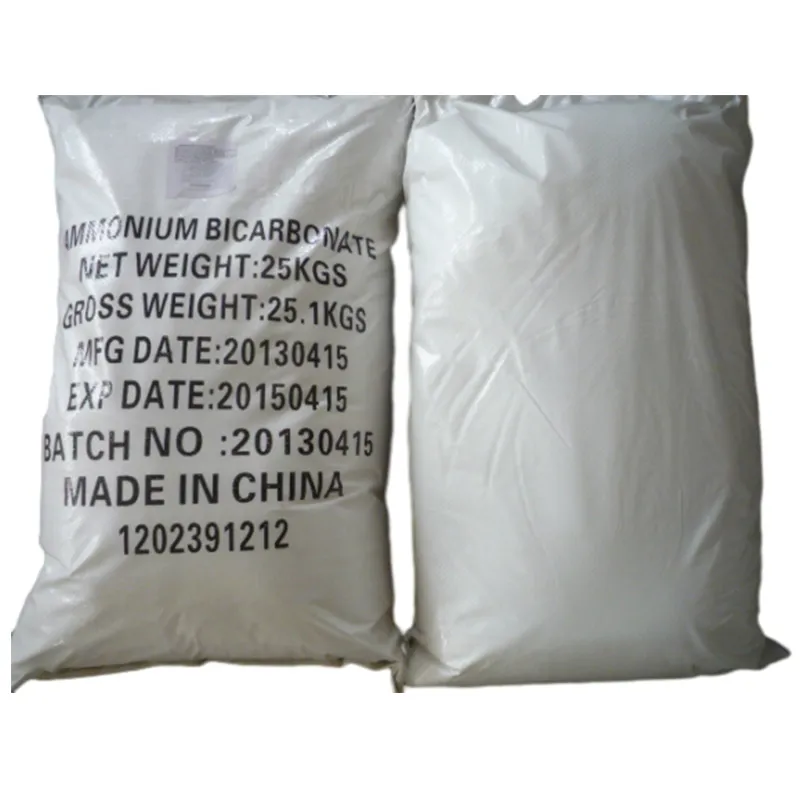
However, the use of sweet preservatives is not without controversy. While they serve important functional roles in food preservation, many consumers are becoming increasingly health-conscious and wary of excessive sugar intake. There are rising concerns about the health implications associated with high levels of added sugars, including obesity, diabetes, and heart disease.
As a response to these concerns, the food industry has seen a surge in the development and marketing of low-calorie sweeteners. These synthetic alternatives provide the sweetness that consumers crave without the calories typically associated with sugar. For example, stevia has gained popularity as a natural, zero-calorie sweetener derived from the leaves of the Stevia rebaudiana plant. Similarly, monk fruit extract is another natural sweetener that offers an appealing sugar substitute without the adverse health effects.
Navigating the Sweet Preservative Landscape
Choosing the right sweet preservatives can be challenging but essential for balancing flavor and health. When selecting products, consumers are encouraged to read labels carefully and become familiar with the various forms of sweeteners available. It’s important to consider the source of sweetness, as natural options tend to be more nutrient-dense compared to their artificial counterparts.
In the kitchen, home cooks can experiment with natural sweeteners like honey, agave syrup, or pure maple syrup to enhance recipes while also aiming for lower sugar content. Furthermore, incorporating whole fruits into recipes not only adds natural sweetness but also provides essential vitamins, minerals, and fiber, creating a more wholesome food experience.
Conclusion A Sweet Future
As we eat our way through an increasingly processed world, sweet preservatives will undoubtedly continue to play a critical role. With advancements in food technology, the quest for healthier options promises to reshape how we perceive sweetness in our diets.
In conclusion, sweet preservatives have a multifaceted role in the preparation, preservation, and enjoyment of food. By navigating the options available and making informed choices, we can savor the best of both worlds—deliciously sweet foods that also honor our health and well-being. The journey towards balanced preservation may be complex, but with a little knowledge and creativity, we can all contribute to a healthier and more flavorful culinary world.
-
Aspartame Buyer FAQ: Sweetness, Specifications and ApplicationsNewsNov.02,2026
-
Aluminum Hydroxide FAQ: Specifications, Ordering and Support QuestionsNewsOct.28,2026
-
Improve Crop Yield with Premium Calcium Boron FertilizerNewsJul.01,2026
-
Ultimate Guide to Cal Mag Fertilizer for Boosting Plant HealthNewsJun.29,2026
-
Maximize Crop Recovery Using High Performance Bounce Back FertilizerNewsJun.27,2026
-
Maximize Crop Yields and Soil Health with Biozyme FertilizerNewsJun.26,2026
-
Sustainable Agriculture Guide using bio organic fertilizerNewsJun.25,2026
Hebei Tenger Chemical Technology Co., Ltd. focuses on the chemical industry and is committed to the export service of chemical raw materials.
-

view more Tplyltriazole(TTA)Tplyltriazole is a powerful and versatile corrosion inhibitor,it is a white particle or powder that is easily hygroscopic and can be processed into large, small, columnar, fine, or powdered shapes.It is a highly effective solution for preventing rust and corrosion on a variety of metal surfaces, making it an ideal choice for a wide range of applications. -

view more Formic AcidFormic acid, is a colorless, pungent-smelling liquid.With its unique properties and diverse applications that serves a wide range of industrial and commercial applications. -

view more Aluminum HydroxideAluminum Hydroxide, a versatile and essential product for a wide range of applications.This product is a white, amorphous powder that is insoluble in water and has a variety of uses in industries such as pharmaceuticals, cosmetics, and manufacturing.