





Trends and Impact of Nitrogen Fertilizer Prices on Agriculture and Food Production
The Impact of Nitrogen Fertilizer Prices on Agriculture
In recent years, the agricultural sector has faced significant fluctuations in input costs, particularly concerning nitrogen fertilizers. As a vital component for enhancing crop yields, nitrogen fertilizers are indispensable in modern farming practices. However, the volatility in nitrogen fertilizer prices has raised concerns among farmers, policymakers, and industry stakeholders, prompting a closer examination of its implications on food production and sustainability.
Nitrogen fertilizers, which include urea, ammonium nitrate, and calcium ammonium nitrate, are essential for promoting plant growth by providing the crucial nutrient nitrogen. This nutrient plays a crucial role in various physiological processes within plants, contributing to the formation of proteins, improving photosynthesis, and enhancing overall crop quality. Consequently, a stable supply and reasonable pricing of nitrogen fertilizers are fundamental for ensuring food security, particularly in an era of growing global population and increasing food demand.
Over the last few years, global nitrogen fertilizer prices have experienced considerable volatility due to various factors, including geopolitical tensions, supply chain disruptions, and shifts in agricultural policies. For instance, events such as the COVID-19 pandemic have led to logistic issues that disrupted the production and transportation of fertilizers. Additionally, geopolitical factors, such as sanctions and trade wars, have also influenced the availability and market dynamics of nitrogen fertilizers, causing prices to surge or plummet unpredictably.
nitrogen fertilizer prices
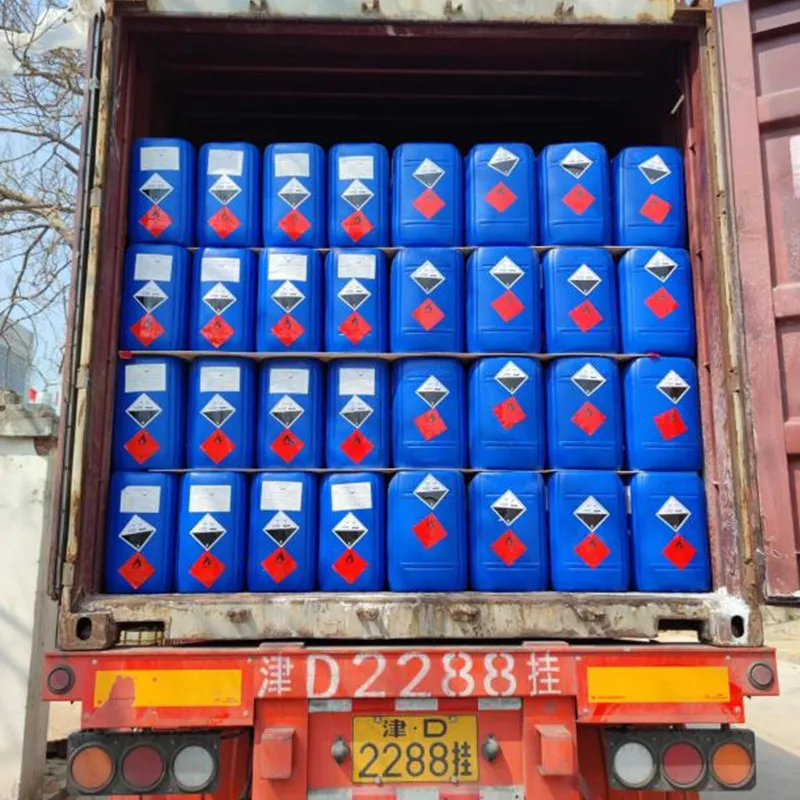
The impact of these price fluctuations is profound, particularly for small and medium-sized farms that operate on tight margins. When nitrogen fertilizer prices rise sharply, farmers may find themselves in a difficult position, necessitating tough decisions regarding crop production and budgeting. In many cases, higher input costs lead to reductions in fertilizer application rates, which can adversely affect yield and, ultimately, income. Consequently, this can result in a ripple effect throughout the agricultural supply chain, impacting food prices and availability for consumers.
To mitigate the effects of rising nitrogen fertilizer prices, farmers may look towards various strategies. These include diversifying their crops, optimizing fertilizer use through precision agriculture, and exploring alternative nutrient sources, such as organic fertilizers. Moreover, investing in research and development can lead to the formulation of more efficient nitrogen fertilizers that require lower application rates without compromising crop yields. Adoption of technologies such as nutrient management tools and soil testing can also empower farmers to make informed decisions regarding fertilizer application, ultimately leading to more sustainable farming practices.
Furthermore, policymakers play a crucial role in addressing the challenges posed by fluctuating nitrogen fertilizer prices. Developing supportive agricultural policies, enhancing supply chain efficiency, and fostering research initiatives can help create a more resilient agricultural sector. Establishing price stabilization mechanisms or subsidy programs could also offer farmers a buffer against extreme price volatility, ensuring they remain viable and competitive in the market.
In conclusion, nitrogen fertilizer prices significantly influence the agricultural landscape, affecting everything from individual farm profitability to global food security. As the sector navigates the complexities of fluctuating input costs, the combined efforts of farmers, researchers, and policymakers will be essential in creating a sustainable and resilient agricultural framework. It is imperative that the agricultural community adapts to these challenges to ensure a stable food supply for future generations. By embracing innovation and sustainability, the agricultural sector can thrive despite the uncertainties of nitrogen fertilizer pricing.
-
How to Choose Dimethyl Disulfide DMDS for Industrial UseNewsNov.09,2026
-
Aspartame Buyer FAQ: Sweetness, Specifications and ApplicationsNewsNov.02,2026
-
Aluminum Hydroxide FAQ: Specifications, Ordering and Support QuestionsNewsOct.28,2026
-
Improve Crop Yield with Premium Calcium Boron FertilizerNewsJul.01,2026
-
Ultimate Guide to Cal Mag Fertilizer for Boosting Plant HealthNewsJun.29,2026
-
Maximize Crop Recovery Using High Performance Bounce Back FertilizerNewsJun.27,2026
-
Maximize Crop Yields and Soil Health with Biozyme FertilizerNewsJun.26,2026
Hebei Tenger Chemical Technology Co., Ltd. focuses on the chemical industry and is committed to the export service of chemical raw materials.
-

view more Tplyltriazole(TTA)Tplyltriazole is a powerful and versatile corrosion inhibitor,it is a white particle or powder that is easily hygroscopic and can be processed into large, small, columnar, fine, or powdered shapes.It is a highly effective solution for preventing rust and corrosion on a variety of metal surfaces, making it an ideal choice for a wide range of applications. -

view more Formic AcidFormic acid, is a colorless, pungent-smelling liquid.With its unique properties and diverse applications that serves a wide range of industrial and commercial applications. -

view more Aluminum HydroxideAluminum Hydroxide, a versatile and essential product for a wide range of applications.This product is a white, amorphous powder that is insoluble in water and has a variety of uses in industries such as pharmaceuticals, cosmetics, and manufacturing.