





Understanding and Controlling Incidental Additives for Superior Chemical Quality
Understanding Incidental Additives in Chemical Processes
In the complex world of chemical manufacturing and processing, the purity of materials is paramount. While primary ingredients receive intense scrutiny, the role of incidental additives is often overlooked. These substances, present in trace amounts, can significantly impact product quality, regulatory compliance, and overall process efficiency. This article explores the nature of incidental additives, their sources, potential effects, and strategies for their control. We’ll delve into how Tenger Chemical addresses these challenges to deliver consistently high-quality chemical solutions.

What are Incidental Additives?
Incidental additives are substances not intentionally added during a chemical process but are present as a result of raw material impurities, manufacturing equipment, or process conditions. They differ from deliberately added components like catalysts or stabilizers. These additives can arise from several sources: residues from previous production runs, wear particles from machinery, solvents used in purification, or even naturally occurring contaminants in raw materials. While often present in very small concentrations (parts per million or even parts per billion), their impact should not be dismissed. They can affect a product’s color, stability, reactivity, or even its compliance with industry regulations.
Key Characteristics: Present in trace amounts, not intentionally added, originate from various sources, potential to impact product quality.
Sources of Incidental Additives
Identifying the source of incidental additives is critical for effective control. Common origins include: raw material impurities (e.g., metal ions, residual solvents), equipment leaching (e.g., stainless steel corrosion), and process byproducts (e.g., degradation products). The type of additive will vary significantly depending on the chemical process. For instance, pharmaceutical manufacturing might encounter trace amounts of cleaning agents, while polymer production could contain residual monomers. Understanding the entire supply chain – from raw material sourcing to final product packaging – is crucial for pinpointing potential contaminant sources.
Common Sources:
• Raw Material Impurities
• Equipment Leaching
• Process Byproducts
• Cleaning Agents
Impact of Incidental Additives on Product Quality
Even at low concentrations, incidental additives can have a detrimental impact on product quality. For example, metal ions can catalyze unwanted reactions, leading to degradation or discoloration. Residual solvents can affect product viscosity or solubility. In regulated industries like pharmaceuticals and food, the presence of unauthorized additives can trigger product recalls and legal liabilities. Maintaining consistent product specifications requires diligent monitoring and control of these trace contaminants. Tenger Chemical utilizes advanced analytical techniques to identify and quantify these incidental additives, ensuring our products meet the highest quality standards.
Strategies for Controlling Incidental Additives
Effective control requires a multi-faceted approach. This includes stringent raw material specifications, careful equipment selection (using corrosion-resistant materials), optimized cleaning procedures, and regular process monitoring. Analytical techniques like Inductively Coupled Plasma Mass Spectrometry (ICP-MS) and Gas Chromatography-Mass Spectrometry (GC-MS) are essential for identifying and quantifying trace contaminants. Implementing a robust Quality Management System (QMS) with clear control limits and documentation is also vital. At Tenger Chemical, we employ these strategies rigorously throughout our manufacturing processes.
Regulatory Considerations and Incidental Additives
Regulatory bodies, such as the FDA and REACH, often have specific requirements regarding the permissible levels of incidental additives in chemical products, particularly those used in regulated industries. Compliance requires thorough documentation, analytical testing, and adherence to Good Manufacturing Practices (GMP). Staying informed about evolving regulations and proactively implementing control measures is crucial for avoiding costly penalties and maintaining market access. Tenger Chemical is committed to full regulatory compliance and provides comprehensive documentation to support our customers’ needs.
Conclusion
Managing incidental additives is a critical aspect of ensuring product quality, regulatory compliance, and overall process efficiency. By understanding their sources, impacts, and implementing robust control strategies, manufacturers can minimize risks and deliver consistently high-quality chemical solutions. Tenger Chemical stands as a reliable partner, committed to providing superior products with meticulous attention to detail and unwavering quality standards.
Frequently Asked Questions (FAQs)
What analytical techniques are used to identify incidental additives?
Several advanced analytical techniques are employed to identify and quantify incidental additives. These include Inductively Coupled Plasma Mass Spectrometry (ICP-MS) for detecting metal ions, Gas Chromatography-Mass Spectrometry (GC-MS) for volatile organic compounds, and High-Performance Liquid Chromatography (HPLC) for non-volatile compounds. These techniques allow for the detection of trace contaminants at very low concentrations, ensuring accurate monitoring and control. The choice of technique depends on the type of additive suspected and the matrix of the sample.
How can equipment contribute to incidental additive contamination?
Manufacturing equipment can introduce contaminants through several mechanisms. Corrosion of metal components (e.g., stainless steel) can release metal ions into the process stream. Wear particles from moving parts can also contaminate the product. Furthermore, residues from previous production runs or cleaning agents can remain in the equipment and leach into subsequent batches. Using high-quality, corrosion-resistant materials and implementing thorough cleaning protocols are essential for minimizing equipment-related contamination.
What role does raw material sourcing play in controlling incidental additives?
Raw material sourcing is a crucial factor in controlling incidental additives. Impurities present in raw materials will inevitably carry over into the final product. Selecting suppliers with stringent quality control measures and conducting thorough incoming material testing are essential steps. Establishing clear specifications for raw material purity and working with suppliers to identify and mitigate potential contaminants can significantly reduce the risk of incidental additive contamination.
-
The Essential Guide to Sorbates as Food Preservatives for SafetyNewsApr.16,2026
-
The Ultimate Guide to Sorbate Preservative in Modern IndustryNewsApr.09,2026
-
Comprehensive Guide to Sodium Stearoyl Lactylate Emulsifier Applications and BenefitsNewsApr.07,2026
-
Comprehensive Guide to Sodium Cyclamate Sweetener Properties and ApplicationsNewsApr.04,2026
-
Comprehensive Guide to Sodium Citrate Food Additive and Its ApplicationsNewsMar.31,2026
-
Comprehensive Guide to Sodium Bicarbonate Food Additive Applications and BenefitsNewsMar.28,2026
-
Understanding Sodium Benzoate Preservative in Cosmetics and Its ApplicationsNewsMar.26,2026
Hebei Tenger Chemical Technology Co., Ltd. focuses on the chemical industry and is committed to the export service of chemical raw materials.
-
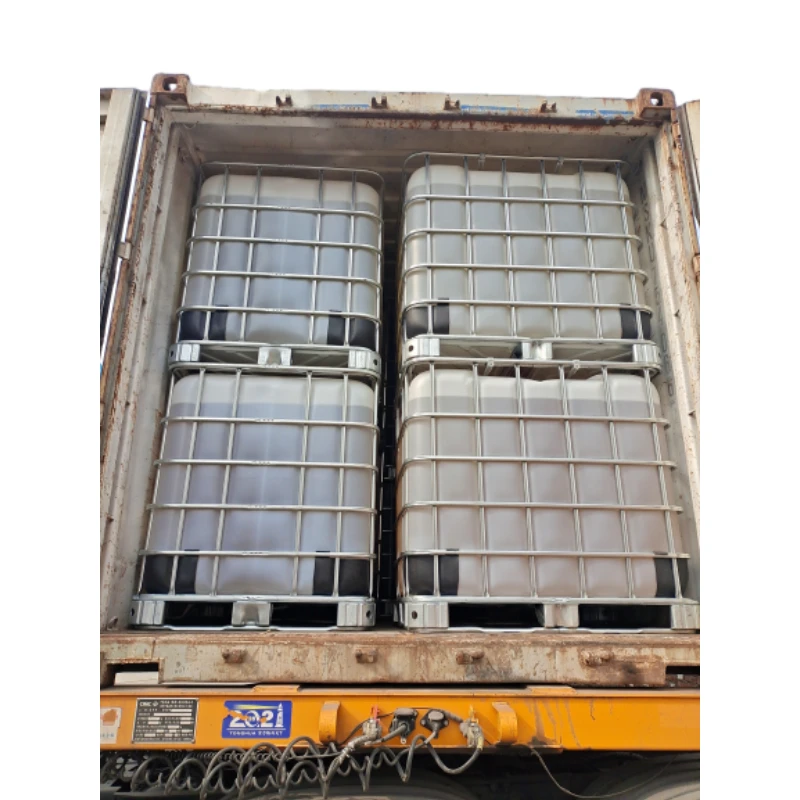
view more DiethanolisopropanolamineIn the ever-growing field of chemical solutions, diethanolisopropanolamine (DEIPA) stands out as a versatile and important compound. Due to its unique chemical structure and properties, DEIPA is of interest to various industries including construction, personal care, and agriculture. -
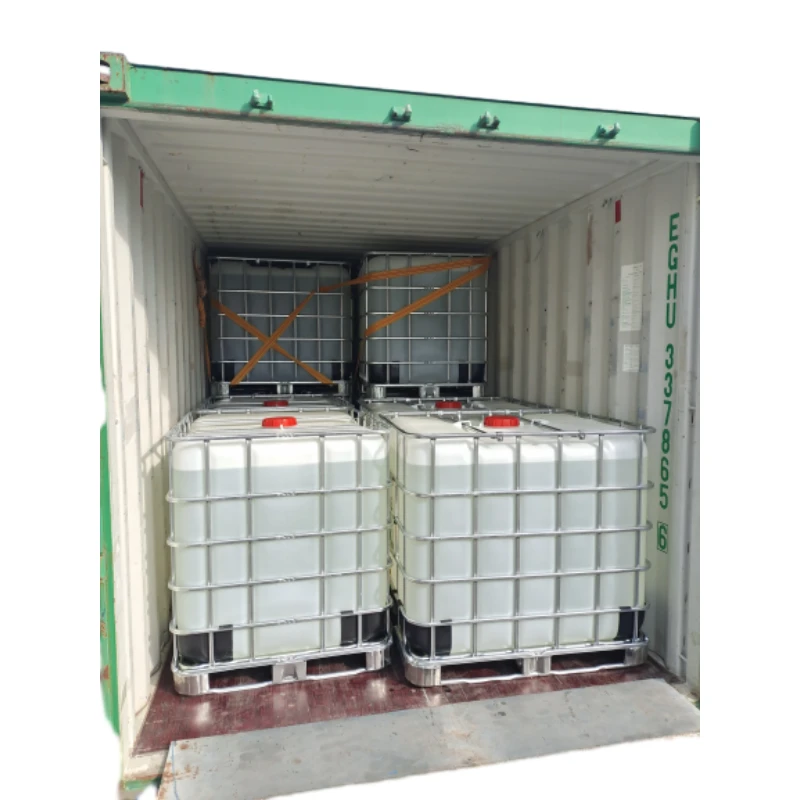
view more TriisopropanolamineTriisopropanolamine (TIPA) alkanol amine substance, is a kind of alcohol amine compound with amino and alcohol hydroxyl, and because of its molecules contains both amino and hydroxyl. -
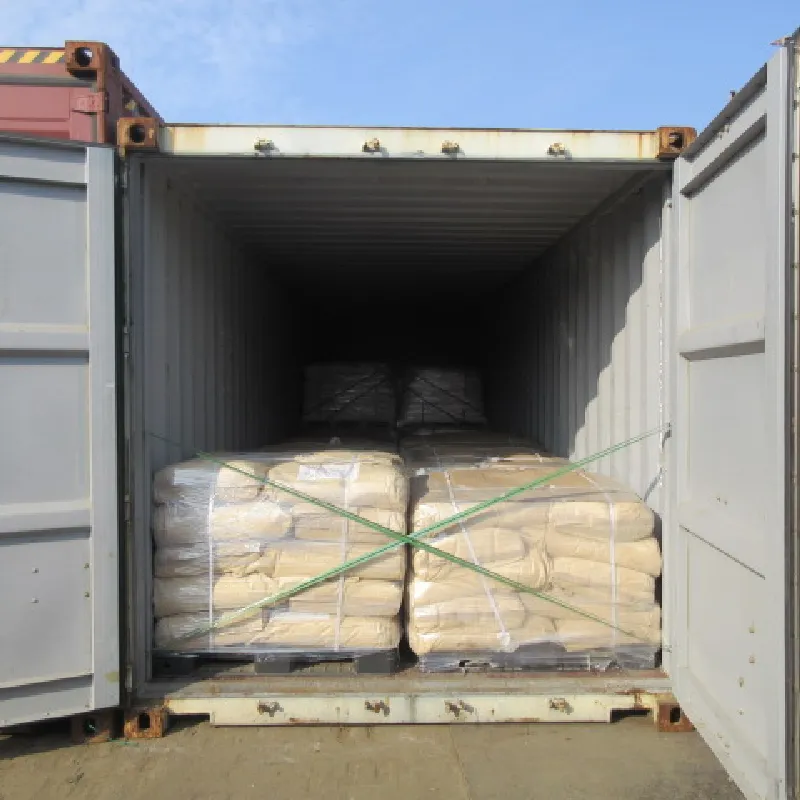
view more Tetramethyl Thiuram DisulfideTetramethyl thiuram disulfide, also known as TMTD, is a white to light-yellow powder with a distinct sulfur-like odor. It is soluble in organic solvents such as benzene, acetone, and ethyl acetate, making it highly versatile for use in different formulations. TMTD is known for its excellent vulcanization acceleration properties, which makes it a key ingredient in the production of rubber products. Additionally, it acts as an effective fungicide and bactericide, making it valuable in agricultural applications. Its high purity and stability ensure consistent performance, making it a preferred choice for manufacturers across various industries.